How to Fix Tough or Chewy Meat
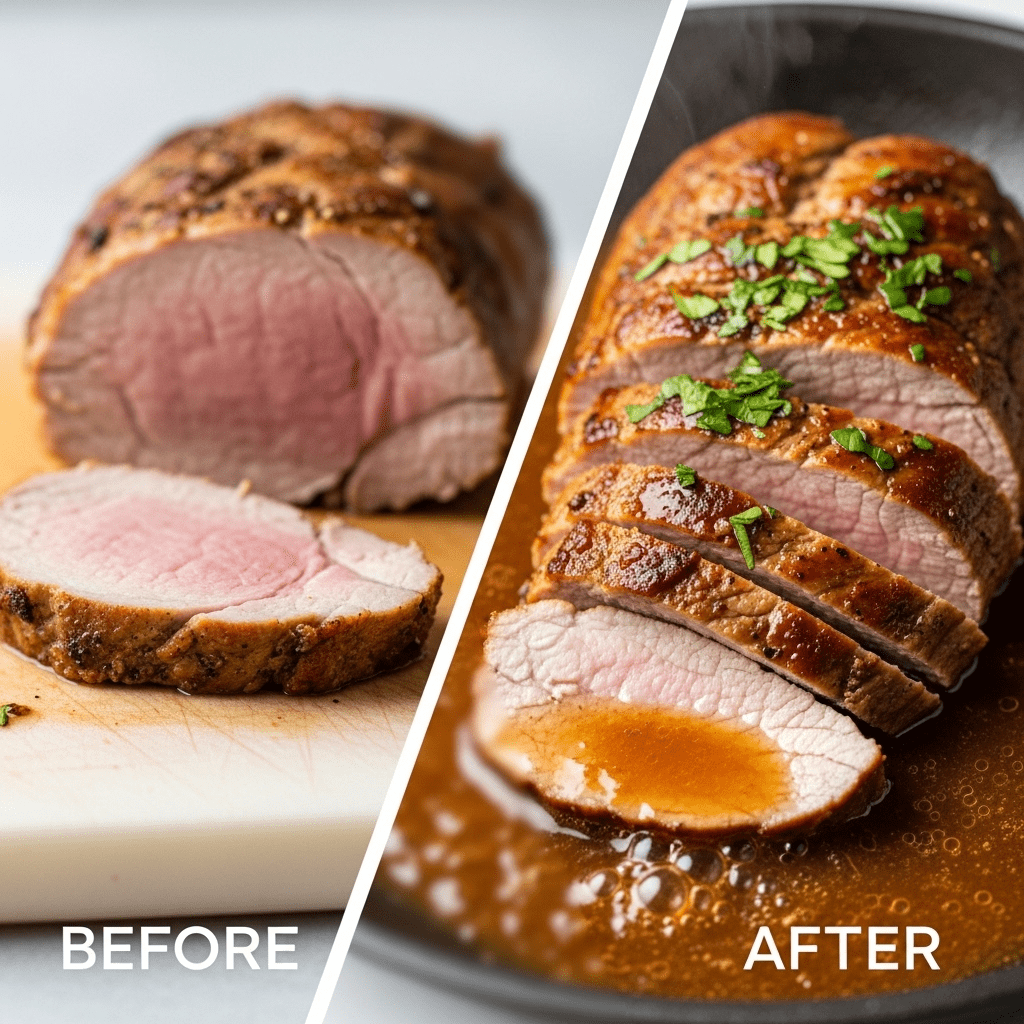
How to Fix Tough or Chewy Meat (Your Rescue Guide for Chicken & Beef)
Hello and welcome. It is one of the most disappointing kitchen moments. You spend your time and money on a nice piece of meat, but when you take a bite, it’s tough, dry, and chewy.
This is a very common problem, but it is not a lost cause. n many cases, you can still fix tough meat and rescue your dinner. This guide will show you how to fix tough meat and, more importantly, how to prevent it from ever happening again.
Why Does Meat Get Tough?
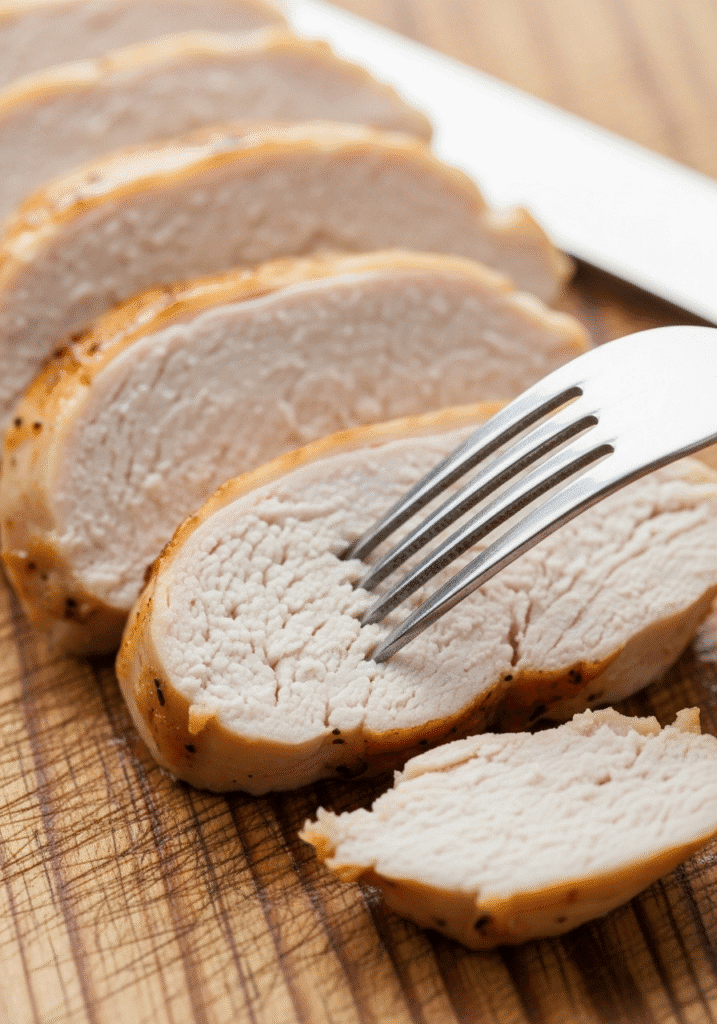
Meat is a muscle, and it’s made of protein fibers. When meat gets tough, it’s usually for one of two main reasons:
- You overcooked a lean cut of meat. For lean cuts like chicken breast or pork loin, heat makes the protein fibers squeeze together and push out all the moisture. This makes them tough and dry.
- You chewy a tough cut of meat. For tough cuts with a lot of connective tissue, like beef chuck or pork shoulder, you need a long, slow cooking time to melt all that tough tissue into soft, delicious gelatin. If you cook it too fast, it will be incredibly chewy.
Understanding this difference is the key to both the rescue and the prevention.
Rescue #1: For fix Tough Lean Meats (Like Chicken Breast or Pork Chops)
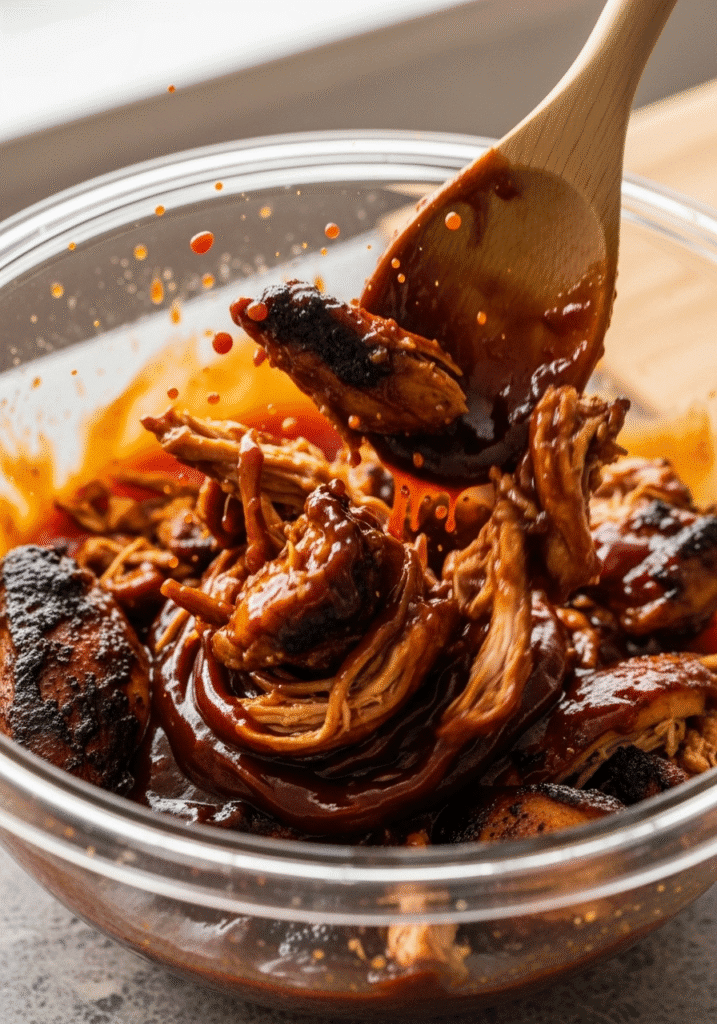
You have already cooked the meat and it’s dry and tough. Our rescue mission is to add moisture and fat back into it.
The “Shred and Sauce” Method: This is the best and most delicious rescue.
- Let the meat cool just enough so you can handle it.
- Use two forks to shred the meat into bite-sized pieces. Shredding it increases the surface area.
- Toss it with a flavorful sauce. This is where the magic happens. A good BBQ sauce, a buffalo sauce, a salsa, or even just a simple vinaigrette will add both moisture and flavor. The shredded meat will soak it all up like a sponge.
- Give it a new life. Your rescued shredded meat is now perfect for making amazing sandwiches, tacos, wraps, or for topping a salad. No one will ever know it started out as a dry piece of chicken.
The “Gentle Simmer” Method:
If you want to serve the meat in slices, you can try this.
- Slice the meat thinly.
- Place it in a shallow pan and pour a little bit of warm chicken broth or a simple pan sauce over it.
- Gently warm it over low heat for just a few minutes, until the meat has absorbed some of the liquid. Don’t let it boil, or it will get even tougher.
Rescue #2: For Undercooked Tough Meats (Like Beef Stew)
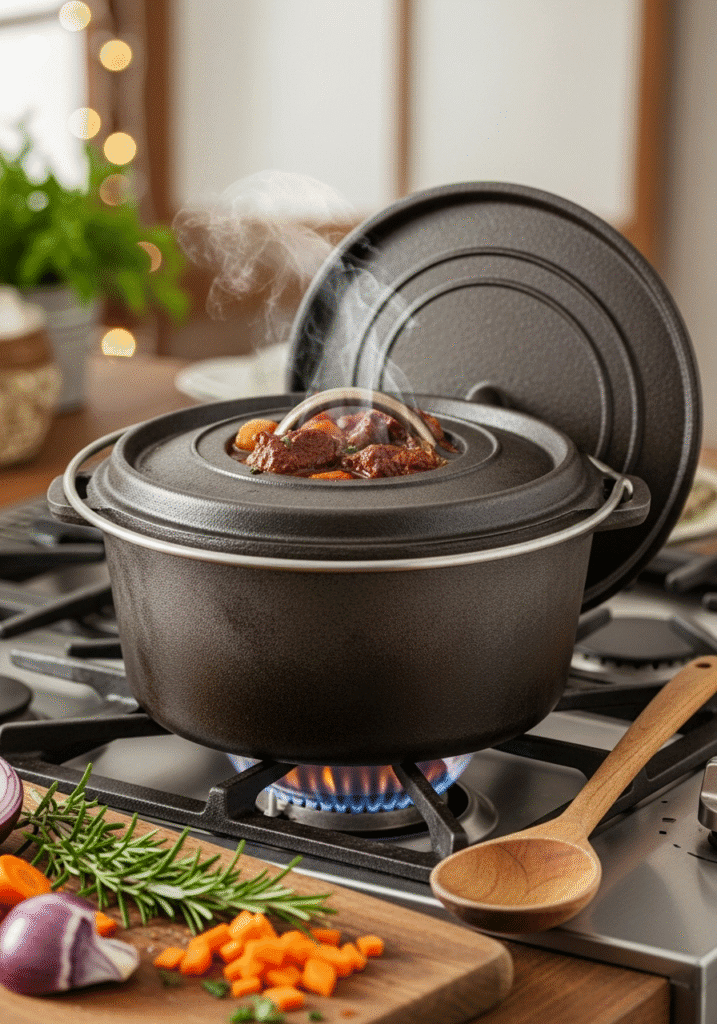
You have been cooking your beef stew for an hour, and the meat is still Tough or Chewy Meat. The rescue is simple, but it requires patience.
The Problem: You haven’t cooked it long enough.
The Rescue Plan: Just keep cooking it.
- Make sure there is enough liquid in the pot to keep the meat covered.
- Put the lid back on and turn the heat down to low.
- Let it continue to simmer gently.
- Check it again in 30-45 minutes.
The meat will eventually become “fork-tender,” which means you can easily pull it apart with a fork. Tough cuts of meat need time for their connective tissues to break down. There is no shortcut. The only rescue is more time.
How to Prevent Tough Meat in the First place
- For Lean Meats (Chicken Breast, Steak, Pork Chops):
- Use a meat thermometer. This is the number one kitchen rescue tool. Lean meats are perfectly cooked and juicy at a specific temperature (165°F for chicken, 145°F for pork). A thermometer is the only way to know the exact moment they are done.
- Using a simple meat thermometer is the best way to guarantee juicy results. The AARP has a fantastic article explaining exactly why this is so important for every home cook.“
- Don’t cook them too fast. Use medium heat. High heat will make the outside burn before the inside is cooked.
- Let them rest. After you take the meat out of the pan, let it rest on a cutting board for 5-10 minutes before you slice it. This lets the juices redistribute throughout the meat.
- For Tough Meats (Beef Chuck, Pork Shoulder):
- Use a slow cooking method. These cuts are perfect for a slow cooker, a Dutch oven in a low-temperature oven, or an Instant Pot.
- Give them enough time. A good beef stew can take 2-3 hours to become truly tender. Don’t rush it.
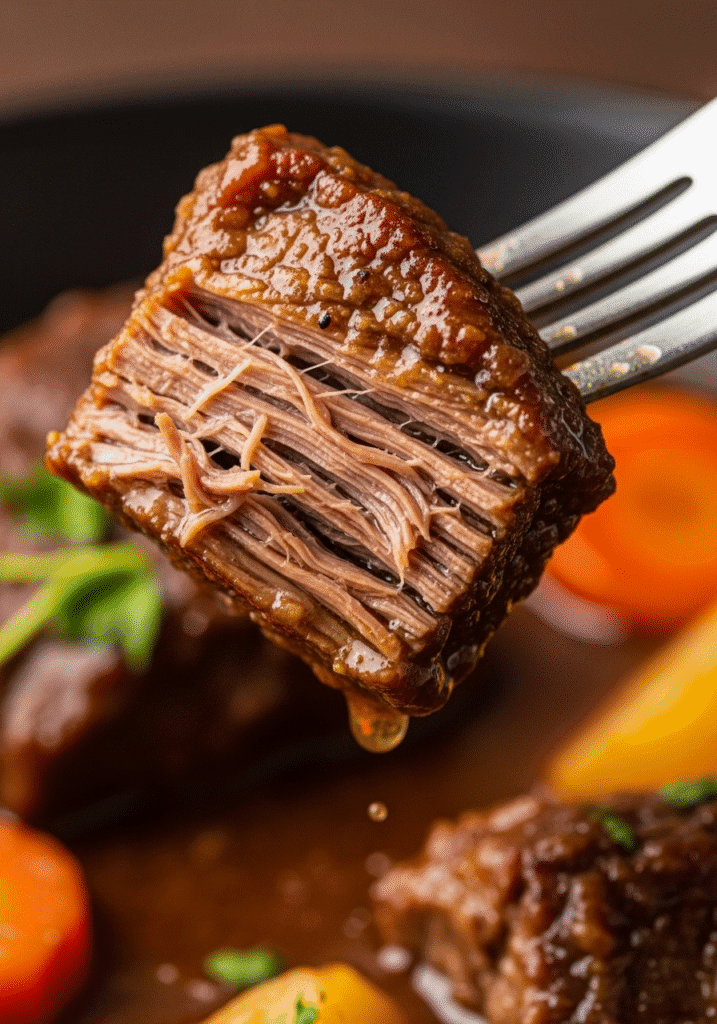
Learning how to cook meat perfectly is a journey. But by understanding why it gets tough, you now have the tools to rescue your dinner and make it delicious every time.