The Complete History of Cooking
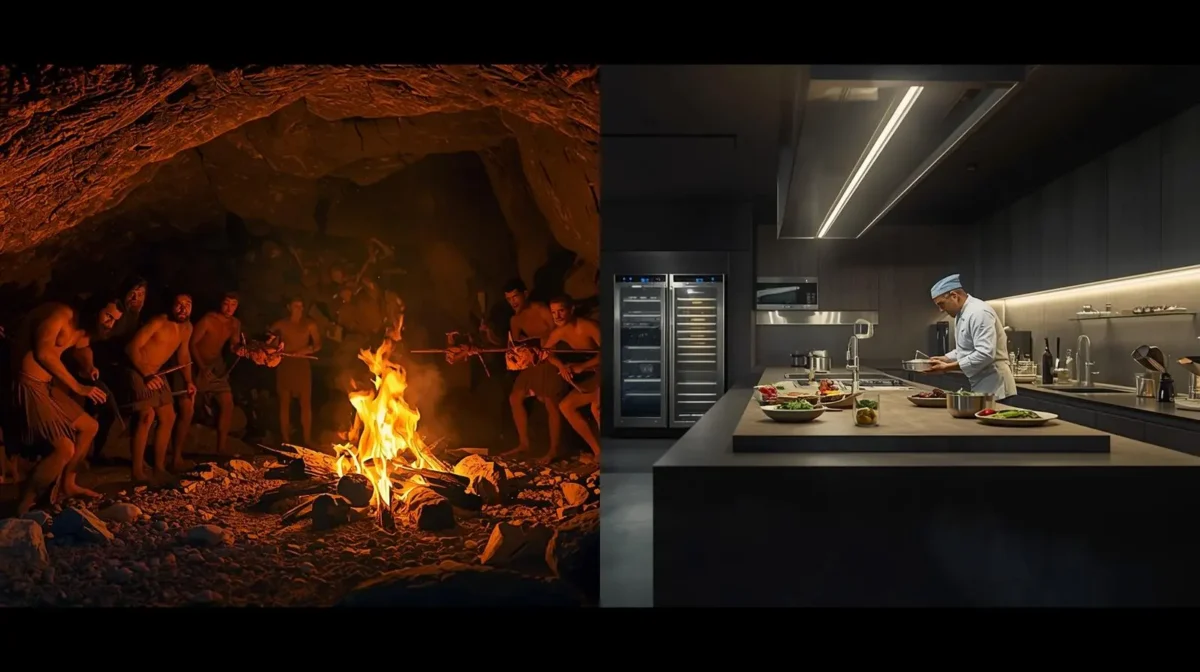
The Complete History of Cooking: From Fire to Modern Kitchens
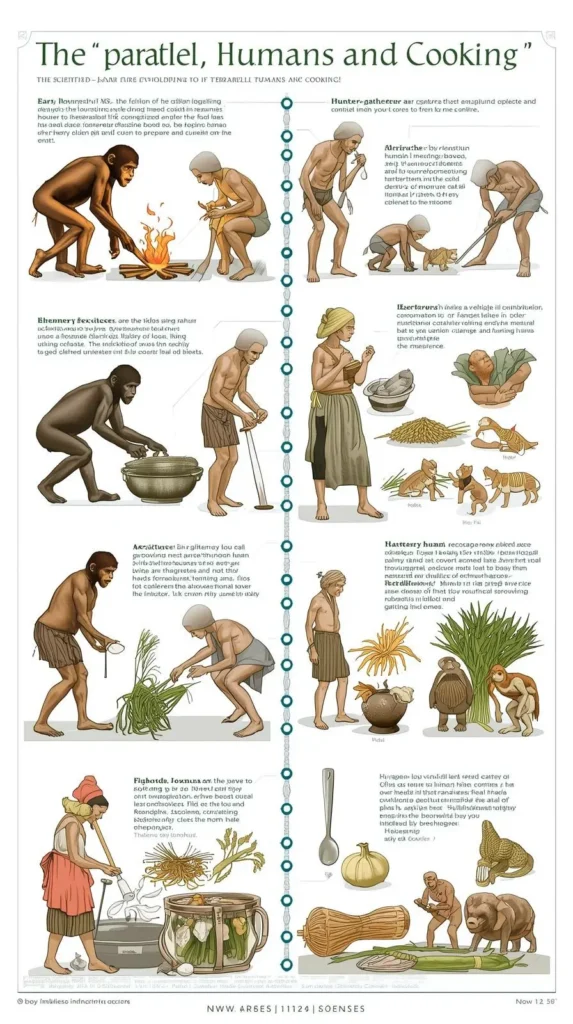
Cooking transformed us from hungry cave dwellers into the complex civilization we are today. In fact, this simple act of applying heat to food literally changed our brains, our bodies, and our entire way of life.
The Dawn of Cooking: Fire Changes Everything
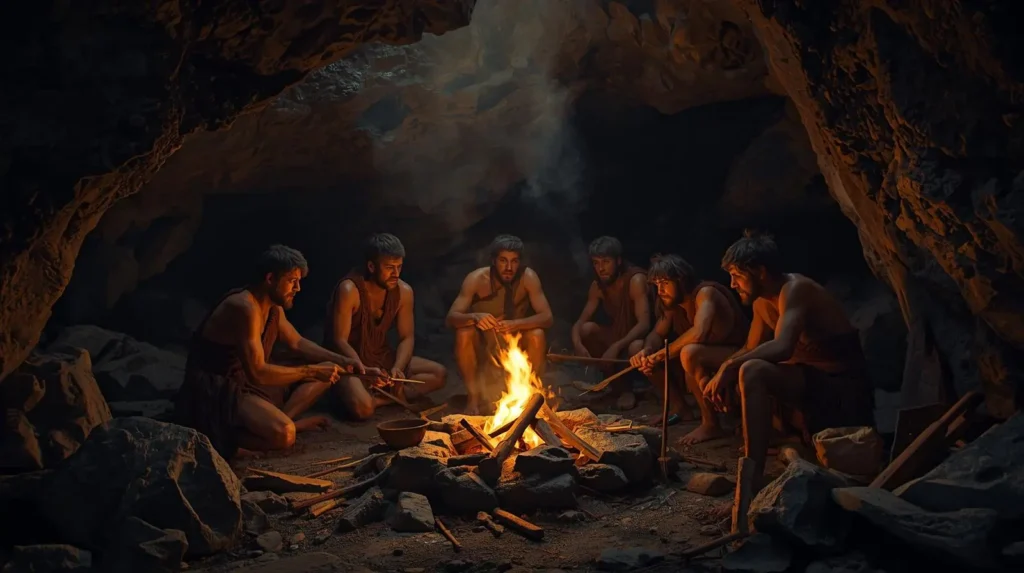
Around 1.8 million years ago, our ancestors made a discovery that would change everything. Fire wasn’t just for warmth or scaring away predators anymore. When they accidentally dropped meat into flames, something magical happened.
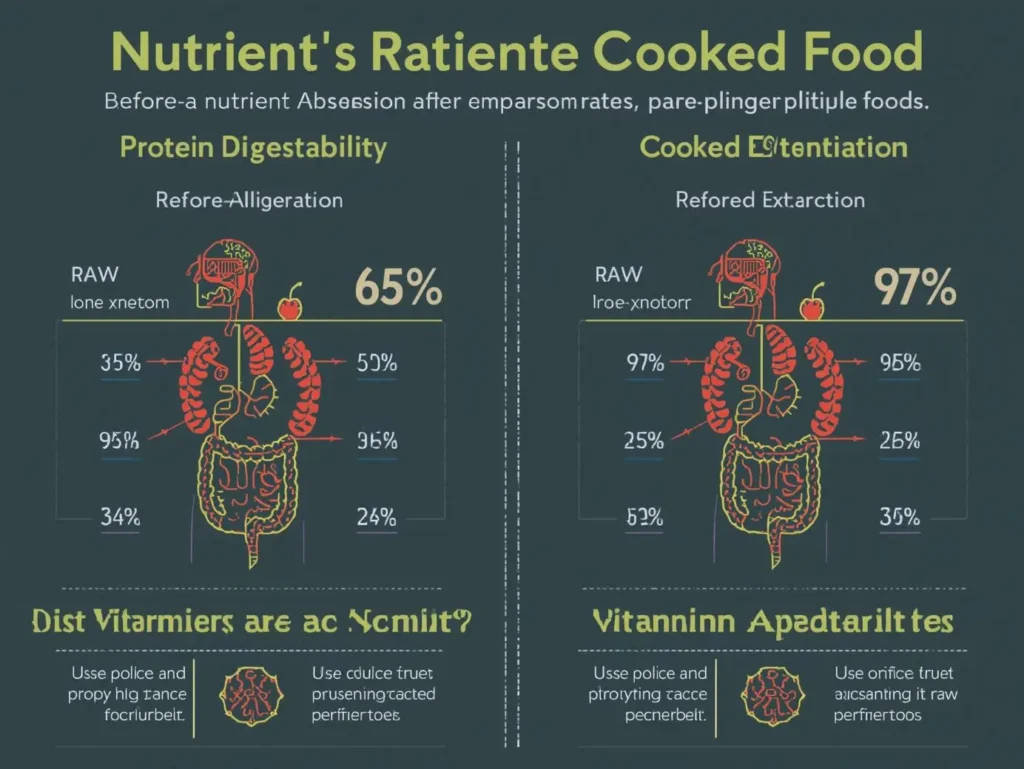
The cooked meat was easier to chew. It tasted better. Most importantly, their bodies could extract more nutrients from it. This meant more energy for their brains to grow larger and more complex.
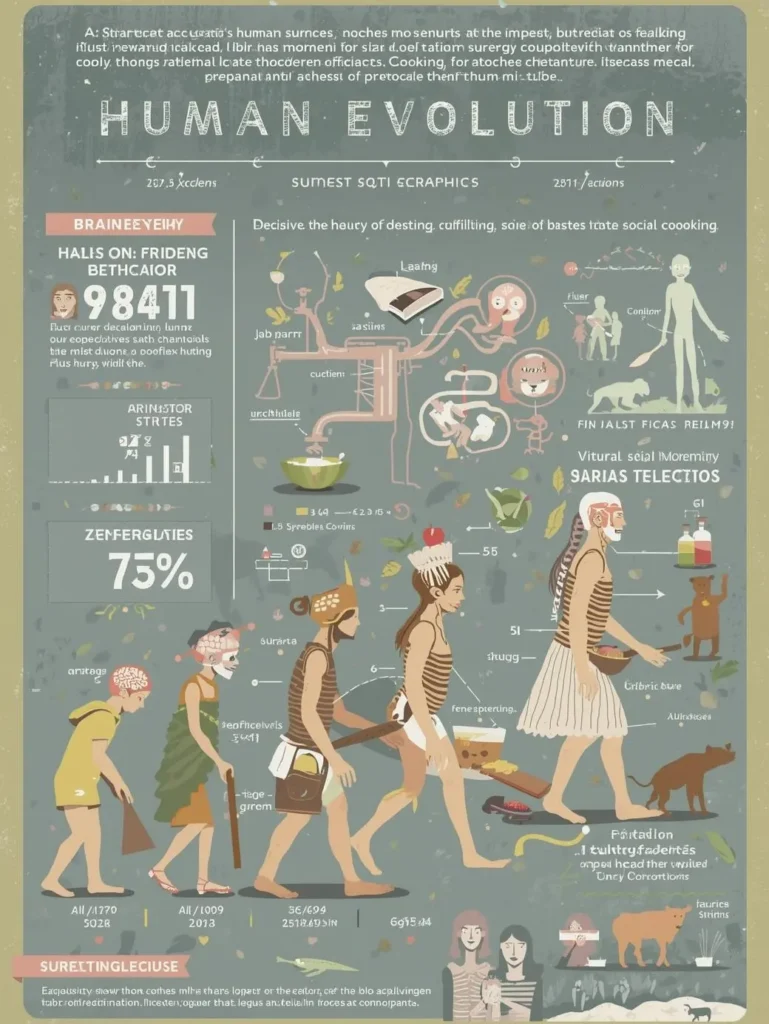
Scientists believe cooking was so important that it actually drove human evolution. Our teeth got smaller because we didn’t need to tear raw meat. Our digestive systems became more efficient. Meanwhile, our brains kept growing.
But early cooking wasn’t exactly gourmet. People threw chunks of mammoth meat directly onto open flames. They wrapped fish in leaves and buried them in hot coals. Simple? Yes. Revolutionary? Absolutely.
Ancient Civilizations Master the Art
As humans settled into communities, cooking became more sophisticated. Different cultures developed their own techniques based on what grew around them.
Mesopotamia: The First Food Revolution
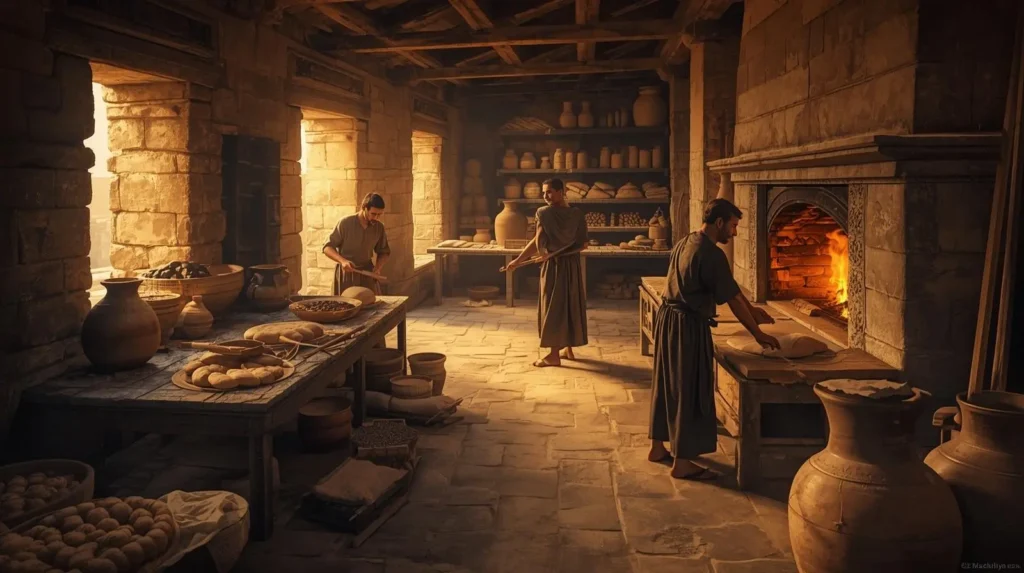
Around 8,000 BCE, people in Mesopotamia figured out agriculture. This changed cooking forever. Instead of hunting and gathering, they could plan meals around grains, vegetables, and domesticated animals.
They invented bread – arguably one of humanity’s greatest achievements. Picture this: someone accidentally left grain porridge out too long, wild yeasts got involved, and boom. Bread was born.
The Mesopotamians also created the first ovens. These clay structures could maintain steady heat, allowing for consistent cooking results. No more burnt outsides and raw insides.
Ancient Egypt: Brewing and Baking Masters
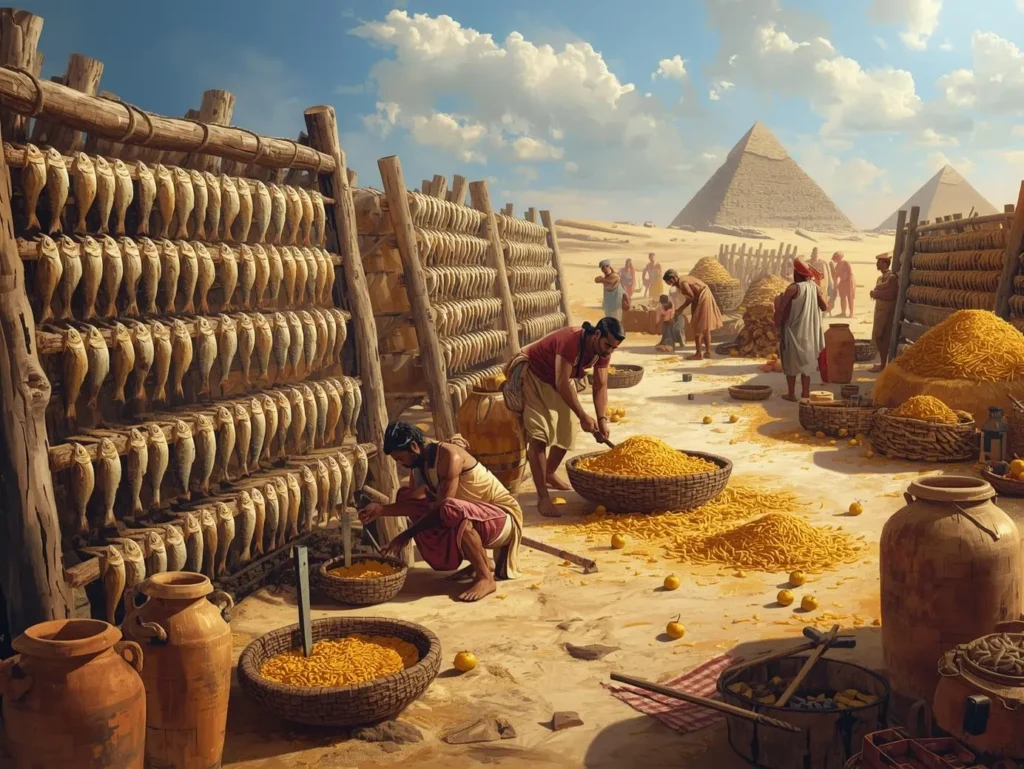
Egyptians took bread-making to the next level. They developed over 40 types of bread and pastries. Some were sweet with honey and dates. Others contained nuts and seeds.
But bread wasn’t their only contribution. Egyptians also mastered brewing. Beer became a dietary staple – safer to drink than water from the Nile. Workers building the pyramids received daily rations of bread and beer as payment.
They also pioneered food preservation. Living in a desert, they had to make food last. So they developed techniques for drying fish, smoking meat, and preserving fruits in honey.
Ancient Greece: Philosophy Meets Food
Greeks elevated cooking from survival to art. They wrote the first cookbooks and established culinary schools. Food became connected to philosophy, health, and social status.
Archestratus wrote one of the first known cookbooks around 350 BCE. It wasn’t just recipes – it was food poetry. He described the perfect fish markets, the ideal cooking times, and the art of seasoning.
Greeks also gave us the symposium – elaborate dinner parties where food, wine, and conversation flowed together. These events influenced how we think about dining as a social experience.
Roman Empire: Engineering Meets Cooking
Romans were engineers first, cooks second. They approached food like they approached everything else – with systematic precision and massive scale.
They built the first professional kitchens in wealthy homes. These featured multiple cooking stations, specialized tools, and even running water. Rich Romans employed teams of cooks, each with specific roles.
Romans also created the first food distribution system. They imported spices from India, wine from Gaul, and olive oil from Spain. This global approach to ingredients laid the foundation for international cuisine.
Medieval Times: Preservation and Spice Routes
The Middle Ages brought new challenges and innovations. Without refrigeration, people had to get creative about keeping food fresh.
The Salt Revolution
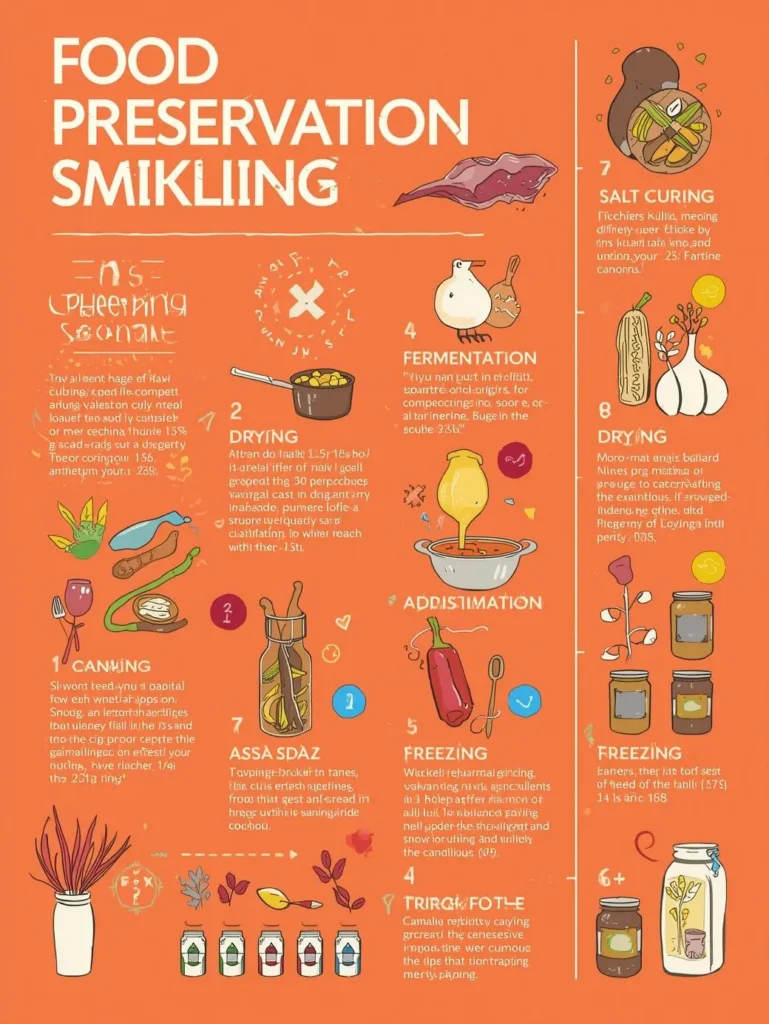
Salt became more valuable than gold. It could preserve meat for months, allowing people to survive harsh winters. Entire trade routes developed around salt distribution.
Different regions developed their own preservation methods. Northern Europeans mastered smoking and salting fish. Mediterranean cultures perfected olive oil preservation. Asian countries pioneered fermentation techniques.
Spice Trade Changes Everything
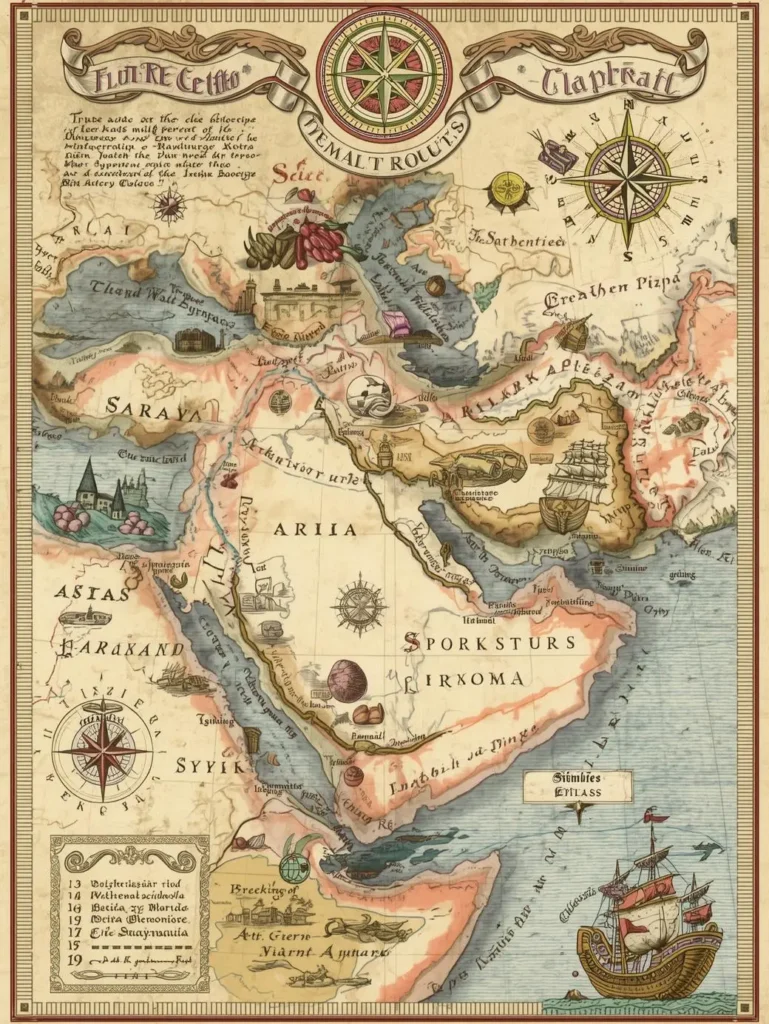
When Marco Polo returned from Asia with fascinating spices, European cooking transformed overnight. Suddenly, pepper, cinnamon, and nutmeg were worth their weight in precious metals.
These spices didn’t just add flavor. They helped preserve food and masked the taste of meat that wasn’t exactly fresh. The search for spice routes led to global exploration and cultural exchange.
Medieval cooks also developed the first cooking guilds. These organizations standardized techniques, trained apprentices, and maintained quality standards. They laid the groundwork for professional culinary education.
Renaissance: Art Meets Appetite
The Renaissance brought artistic flair to cooking. Food presentation became as important as taste. Wealthy families competed to host the most elaborate feasts.
Italian Innovation
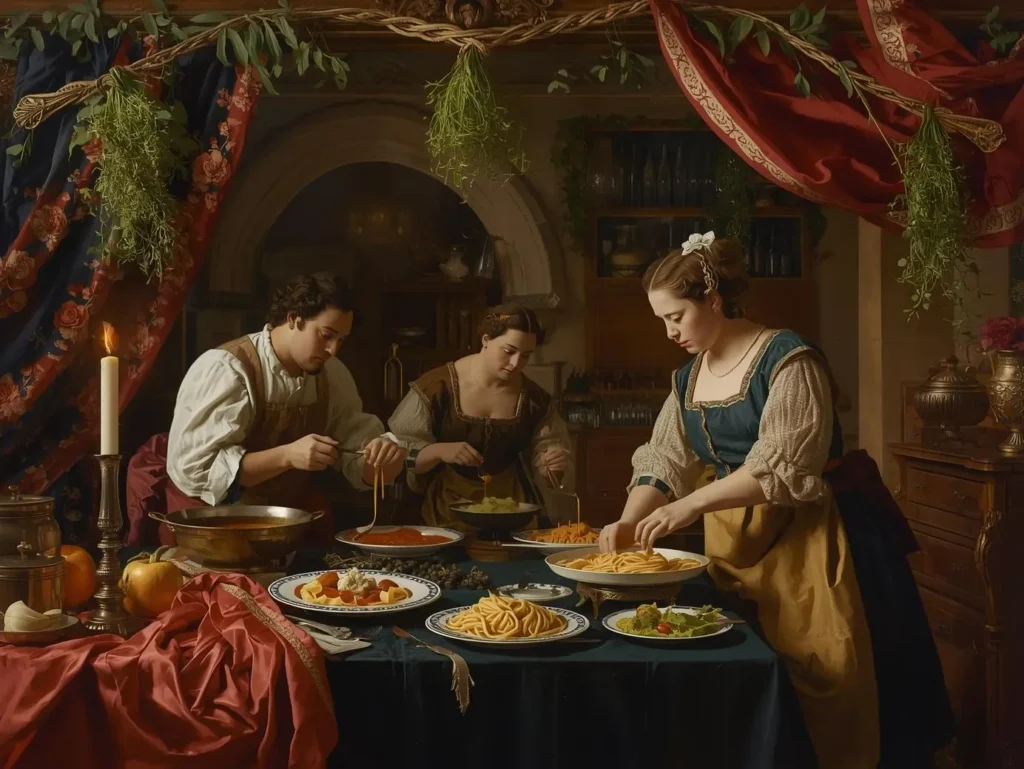
Italians developed many techniques we still use today. They perfected pasta-making, created sophisticated sauces, and elevated simple ingredients into complex dishes.
Catherine de’ Medici brought Italian cooking techniques to France when she married King Henry II. This cultural exchange created the foundation for French haute cuisine.
New World Discoveries
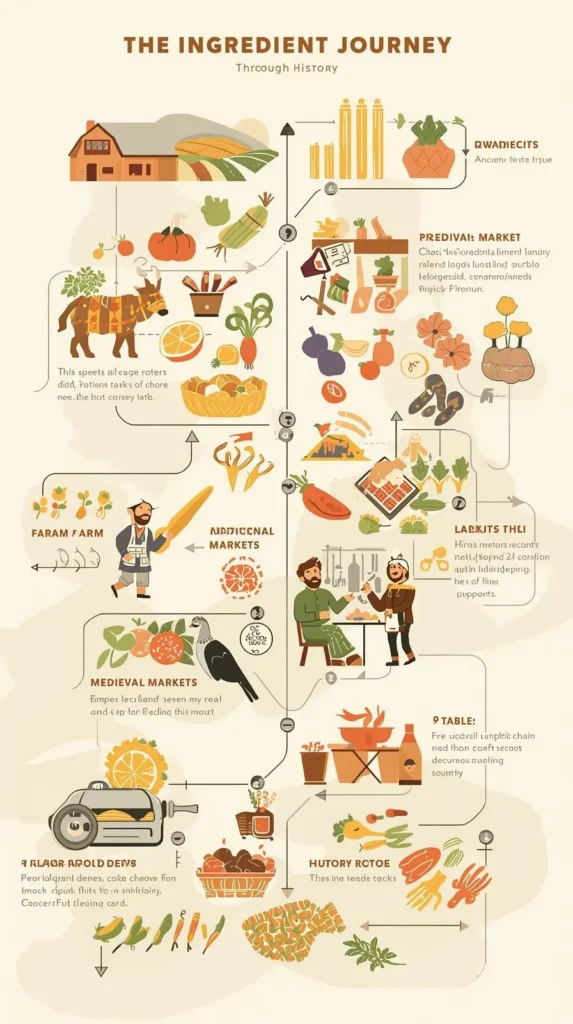
Columbus’s voyages introduced Europeans to tomatoes, potatoes, corn, and chocolate. These ingredients completely changed cooking in Europe and beyond.
Initially, many people were suspicious of these new foods. Tomatoes were thought to be poisonous. Potatoes were considered fit only for animals. But gradually, these ingredients became essential to regional cuisines.
Industrial Revolution: Mass Production Meets Meals
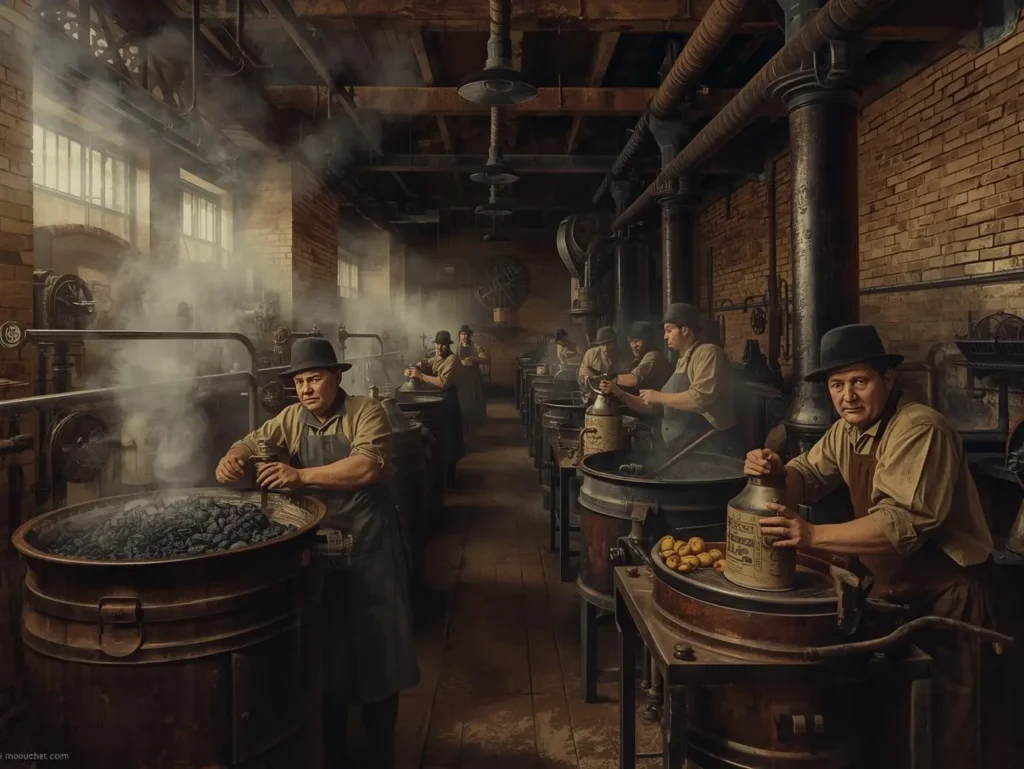
The Industrial Revolution changed how people lived and ate. Urbanization meant fewer people could grow their own food. Technology provided new solutions.
Canning and Preservation
Napoleon offered a prize for anyone who could preserve food for his armies. Nicolas Appert won by developing the canning process. This technology made long-term food storage possible without salt or smoke.
Canning allowed people to eat seasonal foods year-round. It also enabled global food distribution on an unprecedented scale.
Kitchen Technology
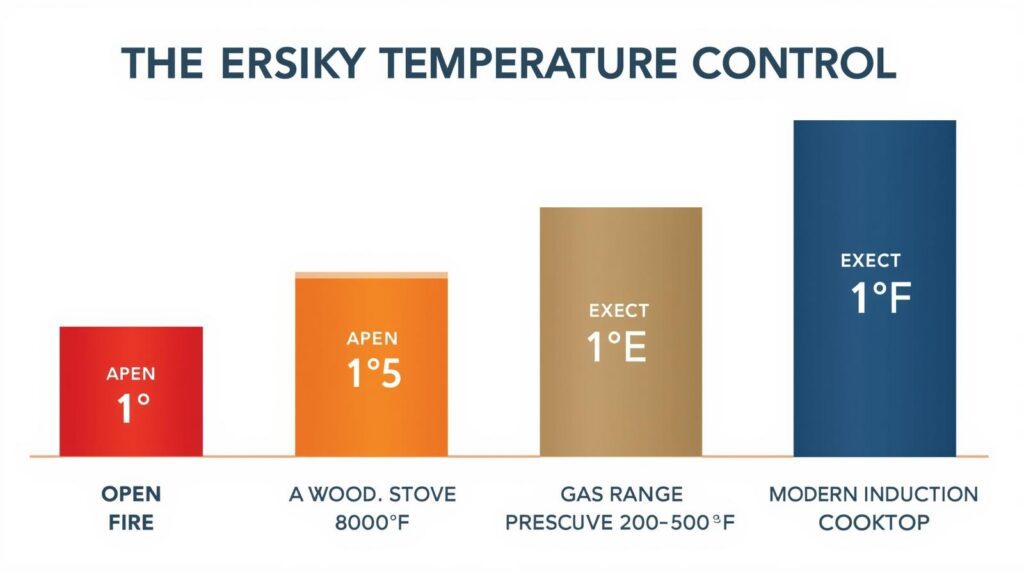
Gas stoves replaced wood-burning fireplaces in urban homes. This gave cooks precise temperature control for the first time. Cooking became more predictable and efficient.
Ice houses and early refrigeration systems changed food storage. People could keep fresh ingredients longer and plan more complex meals.
Rise of Cookbooks
As literacy rates improved, cookbooks became popular. Mrs. Beeton’s “Book of Household Management” sold millions of copies. These books standardized recipes and techniques across different regions.
20th Century: Science Meets Cooking

The 1900s brought scientific understanding to cooking. People began to understand why certain techniques worked and how to improve them.
Understanding Food Science
Scientists discovered vitamins and nutrients. This knowledge changed how people thought about balanced meals. Cooking became about nutrition as much as taste.
Home economics courses taught scientific cooking principles. People learned about food safety, proper temperatures, and nutritional balance.
Kitchen Electrification
Electric appliances revolutionized home cooking. Refrigerators made fresh food widely available. Electric mixers, blenders, and ovens saved time and effort.
The microwave oven, invented accidentally while working on radar technology, changed cooking speed forever. What once took hours could now be done in minutes.
Processed Food Era
Food companies began producing pre-made ingredients and complete meals. TV dinners, instant cake mixes, and frozen vegetables became household staples.
This shift saved time but also changed how people related to food. Cooking skills that had been passed down for generations started disappearing.
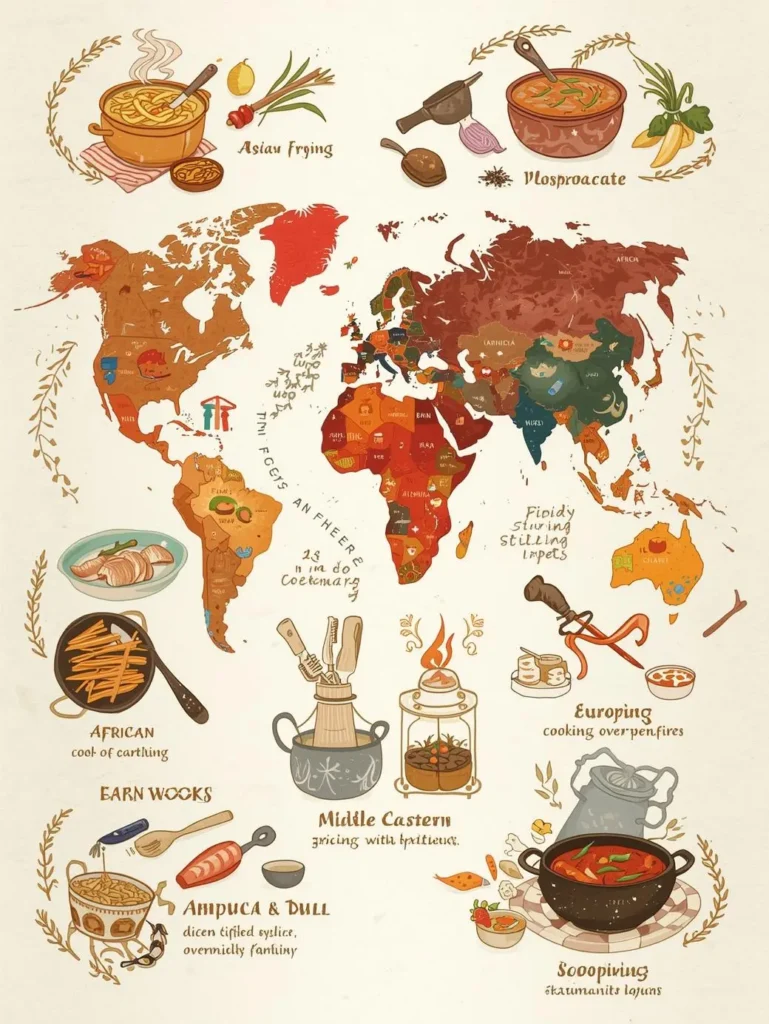
Cultural Cooking Traditions Around the World
While technology advanced, traditional cooking methods persisted in different cultures. Each region developed unique approaches based on local ingredients and climate.
Asian Techniques
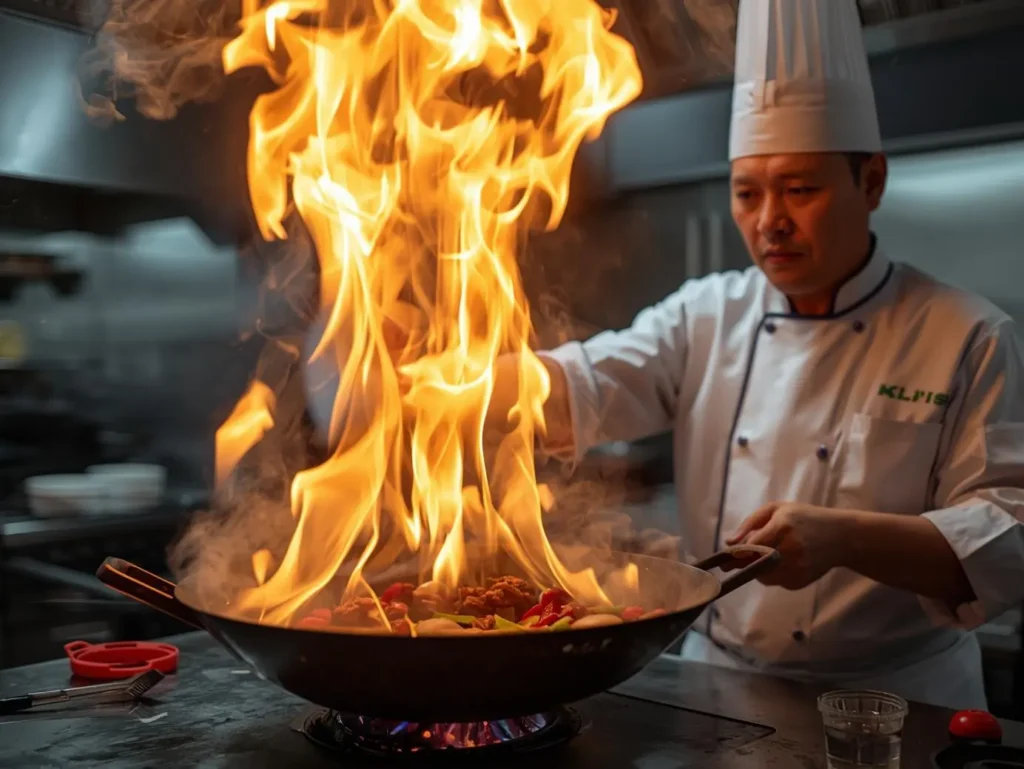
Asian cuisines mastered stir-frying, steaming, and fermentation. These methods preserved nutrients while creating complex flavors.
Chinese wok cooking requires intense heat and quick timing. Japanese techniques emphasize simplicity and ingredient quality. Indian cooking layers spices to create depth and complexity.
European Foundations
French cuisine established fundamental techniques like sauce-making and braising. Italian cooking focused on ingredient quality and simplicity. German and Scandinavian cuisines developed hearty preservation methods for cold climates.
Americas: Fusion and Innovation
Native American techniques like smoking, grilling, and corn preparation influenced later cooking. European colonization brought new ingredients and methods.
Regional American cuisines developed from this cultural mixing. Southern cooking combined African, European, and Native American influences. Mexican cuisine blended indigenous ingredients with Spanish techniques.
Modern Kitchen Evolution
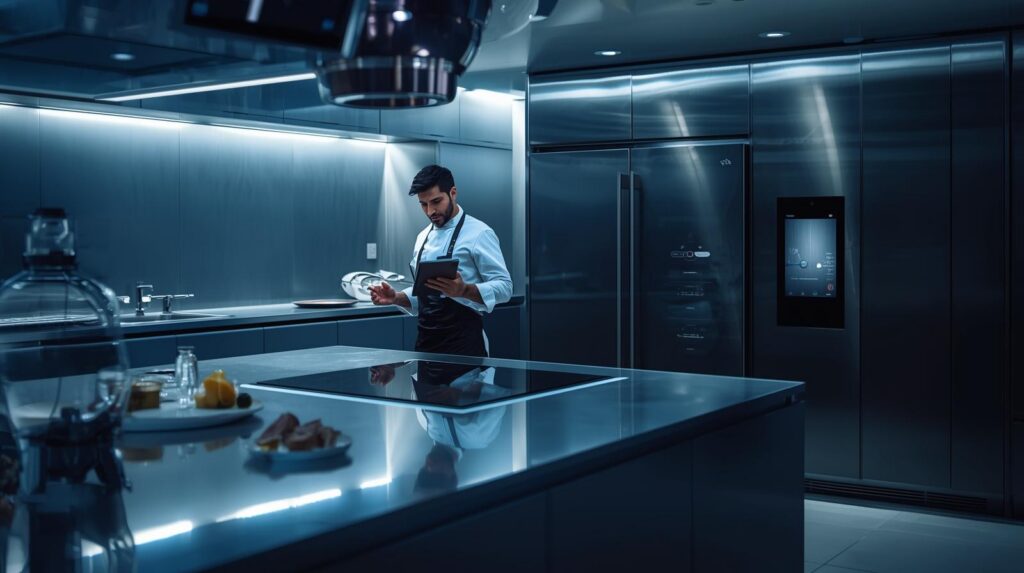
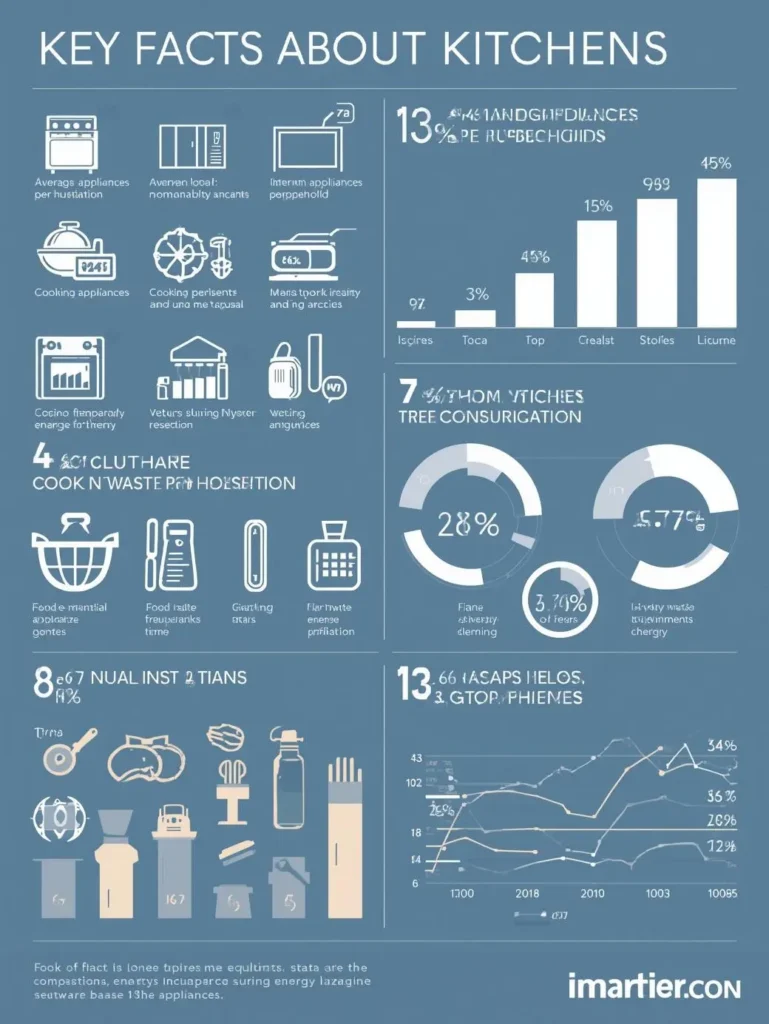
Today’s kitchens would be unrecognizable to cooks from even 50 years ago. Technology continues reshaping how we prepare and think about food.
The Equipment Revolution
Professional-grade equipment became available for home use. Stand mixers, food processors, and immersion blenders made complex techniques accessible to everyone.
Non-stick cookware eliminated the need for excessive oils and fats. Silicone bakeware and temperature-controlled appliances improved consistency and results.
Molecular Gastronomy
Chefs began applying scientific principles to create entirely new textures and presentations. Liquid nitrogen, spherification, and foam techniques pushed cooking into artistic territory.
This movement influenced home cooking too. People became more interested in understanding why techniques work and how to modify them.
Global Fusion
International travel and communication made global ingredients accessible. Home cooks began experimenting with techniques from different cultures.
Fusion cuisine became mainstream. Thai-Mexican combinations, Japanese-Italian mashups, and Indian-French techniques created entirely new categories of food.
Timeline of Essential Kitchen Tools
Understanding when different tools were invented helps explain how cooking evolved:
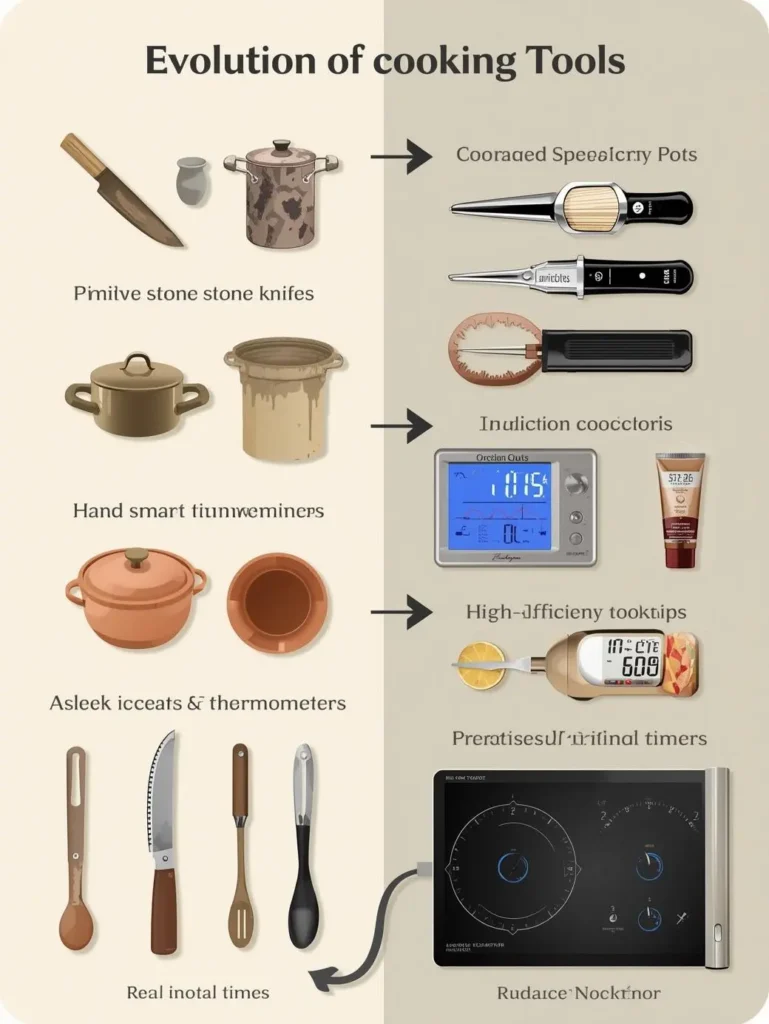
Stone Age (2.5 million years ago): Sharp stone tools for cutting and scraping
8000 BCE: Clay pots for boiling and stewing
3000 BCE: Bronze knives and cooking implements
500 BCE: Iron tools and early grilling grates
100 CE: Glass containers for storage
1200s: Mechanical spits for roasting
1400s: Chimneys and improved ventilation
1600s: Forks become common utensils
1700s: Cast iron cookware mass production
1802: Gas lighting leads to gas stoves
1834: First electric stove invented
1876: Can opener invented
1886: Electric kettle developed
1908: Electric toaster created
1911: Electric mixer introduced
1918: First electric refrigerator
1930: Electric blender invented
1946: Microwave oven discovered
1954: Non-stick coating developed
1971: Food processor created
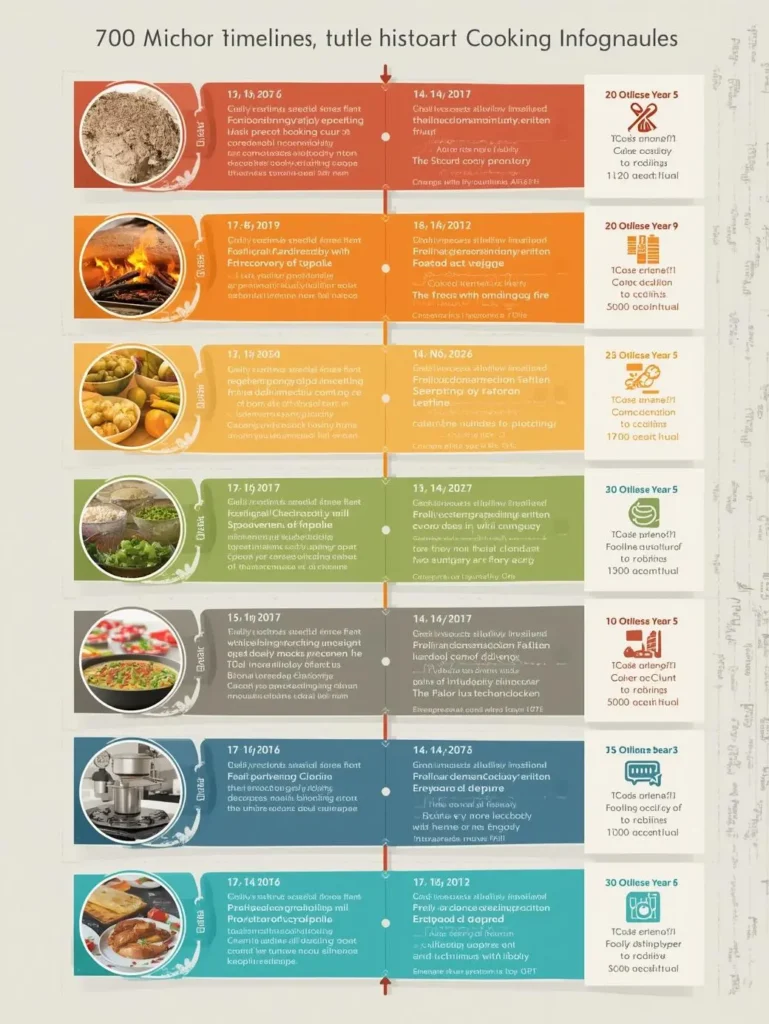
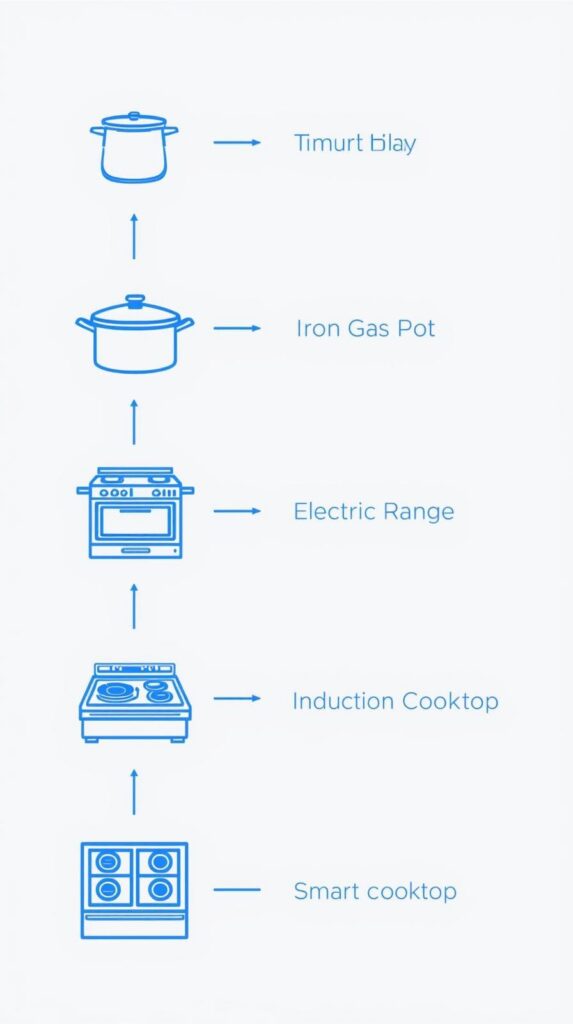
Present day: Smart appliances and precision cooking tools
How Cooking Shaped Human Development
Cooking didn’t just feed us – it literally made us human. The ability to cook food had several crucial effects on our development:
Brain Growth
Cooked food provides more calories with less effort. This extra energy allowed our brains to grow larger and more complex. Some scientists argue that cooking was necessary for developing human intelligence.
Social Development
Cooking required cooperation and planning. Groups had to work together to maintain fires, gather ingredients, and share meals. This cooperation led to more complex social structures.
Time Liberation
Raw food requires constant foraging and eating. Cooked food could be prepared in batches and stored. This freed up time for other activities like tool-making, art, and communication.
Physical Changes
Our teeth became smaller because we didn’t need to tear raw meat. Our digestive systems became shorter and more efficient. These physical changes allowed energy to be redirected toward brain development.
Regional Cooking Traditions and Their Origins
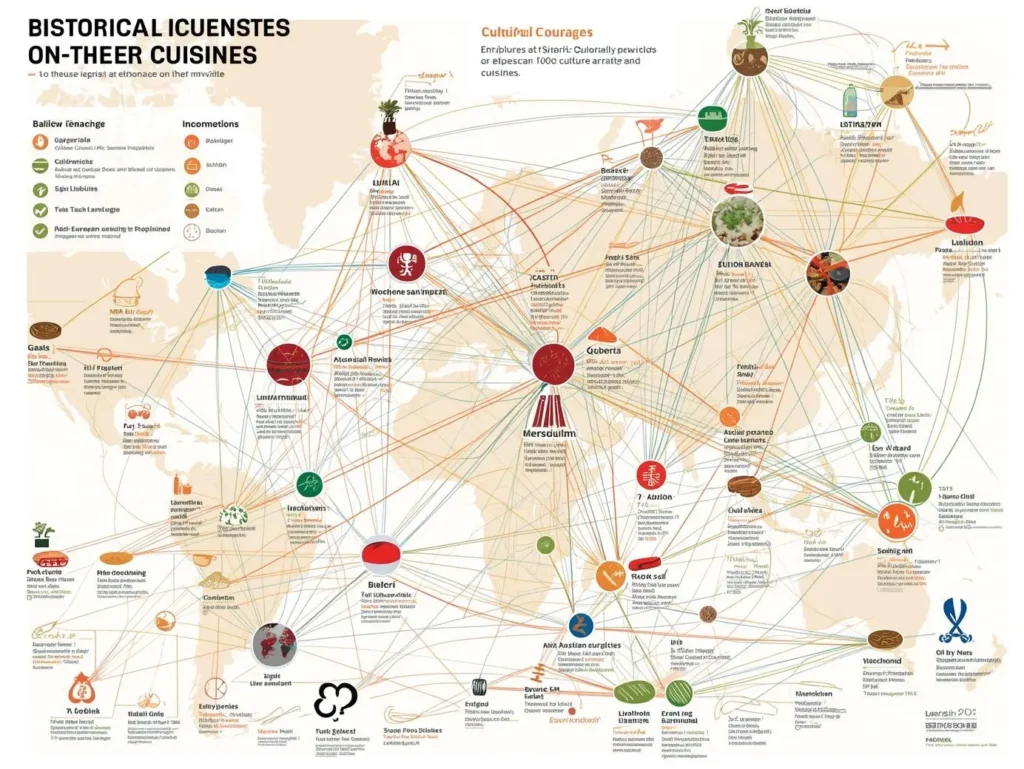
Different environments created distinct cooking styles that persist today:
Desert Cuisines
Middle Eastern and North African cuisines developed around preservation and water conservation. Dried fruits, nuts, and spices became central. Cooking methods used minimal water and fuel.
Island Cooking
Pacific and Caribbean cuisines focused on seafood and tropical fruits. Techniques like pit cooking and salt curing developed from limited resources and abundant seafood.
Mountain Cooking
Alpine cuisines emphasized hearty, calorie-dense foods. Cheese-making, meat preservation, and root vegetable storage became essential for surviving harsh winters.
Forest Traditions
Northern European and North American forest cuisines utilized wild game, mushrooms, and berries. Smoking and root cellars preserved food through long winters.
The Science Behind Traditional Techniques
Many traditional cooking methods have solid scientific foundations:
Fermentation
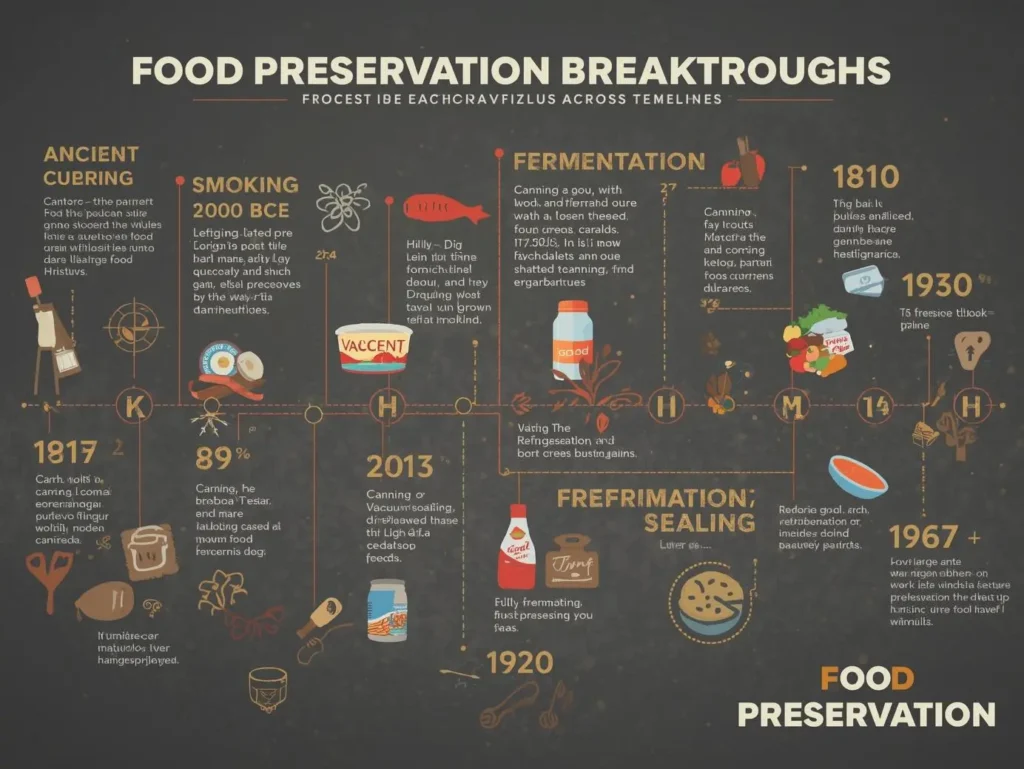
Ancient cultures discovered fermentation long before understanding the science. Beneficial bacteria break down compounds, making nutrients more available while creating natural preservation.
Salt Curing
Salt draws moisture from food, creating an environment where harmful bacteria can’t survive. This technique allowed protein preservation without refrigeration.
Smoking
Smoke contains compounds that inhibit bacterial growth while adding flavor. The low-temperature, long-duration process preserves meat while maintaining moisture.
Acid Marinades
Acidic ingredients like vinegar and citrus break down tough proteins while adding flavor. Ancient cooks used this technique without understanding the chemical processes involved.
Modern Kitchen Safety Evolution
Food safety understanding has dramatically improved over time:
Temperature Awareness
We now understand the relationship between temperature and bacterial growth. Modern thermometers and temperature guidelines prevent foodborne illness.
Cross-Contamination Prevention
Understanding how bacteria spread between surfaces led to improved kitchen hygiene practices. Separate cutting boards and proper cleaning prevent illness.
Proper Storage
Refrigeration science taught us optimal temperatures and humidity levels for different foods. This knowledge extended freshness and prevented spoilage.
The Future of Cooking
Current trends suggest several directions for cooking’s future:
Precision Cooking
Sous-vide machines and precision temperature control allow exact cooking results. This technology makes professional techniques accessible to home cooks.
Sustainable Practices
Climate awareness is changing ingredient choices and cooking methods. Plant-based proteins and energy-efficient appliances are becoming mainstream.
Global Connectivity
Online recipe sharing and video tutorials make techniques from any culture accessible instantly. This connectivity continues accelerating culinary fusion.
Health Optimization
Nutritional science influences cooking methods and ingredient choices. People increasingly cook with specific health outcomes in mind.
Essential Lessons from Cooking History
Several important themes emerge from cooking’s long history:
Innovation Often Comes from Necessity
The best cooking innovations usually solve practical problems. Preservation techniques developed from survival needs. Labor-saving devices emerged from busy lifestyles.
Cultural Exchange Enriches Cuisines
The most interesting culinary developments happen when cultures mix. Trade routes, immigration, and travel consistently improve local cooking traditions.
Technology Amplifies Good Techniques
New tools and methods work best when they enhance existing skills rather than replace them. The most successful kitchen innovations support traditional techniques.
Simple Often Beats Complex
Throughout history, the most enduring dishes tend to be simple preparations that highlight quality ingredients. Complexity for its own sake rarely lasts.
Your Kitchen’s Place in History
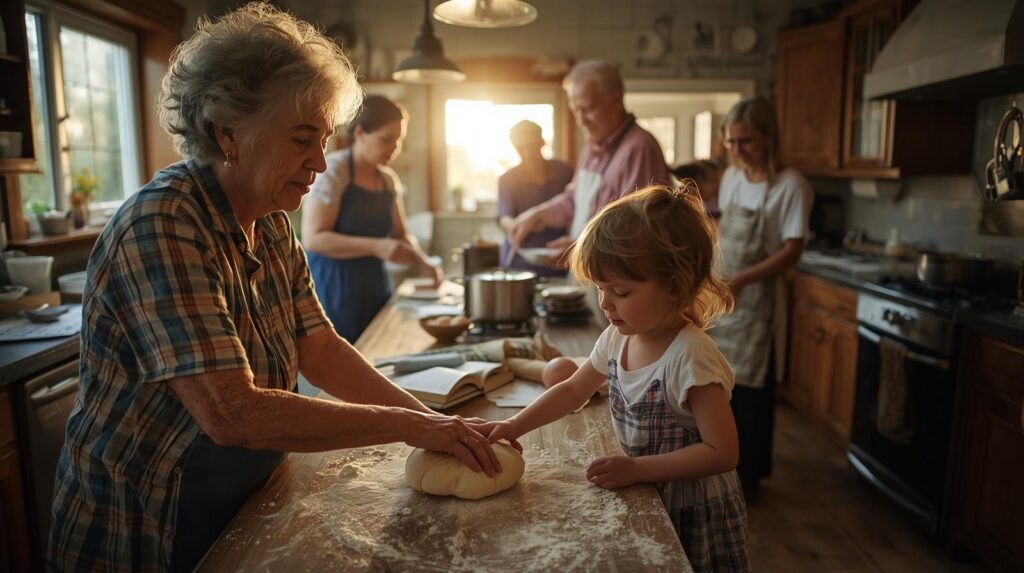
Every time you cook, you’re participating in humanity’s longest-running tradition. The techniques you use connect you to countless generations of cooks who faced similar challenges and celebrated similar victories.
Your modern kitchen contains tools that would seem magical to cooks from even 100 years ago. But the fundamental principles remain the same: transforming raw ingredients into nourishing, delicious food that brings people together.
Understanding this history can make you a better cook. When you know why certain techniques developed, you can adapt them for modern ingredients and equipment. When you understand the cultural significance of different preparations, you can appreciate the depth behind simple recipes.
So the next time you light your stove, remember that you’re continuing a tradition that literally made us human. From that first accidental discovery of fire to your carefully controlled modern kitchen, every meal connects us to our shared human story.