
Oil Dispenser Bottle No Drip
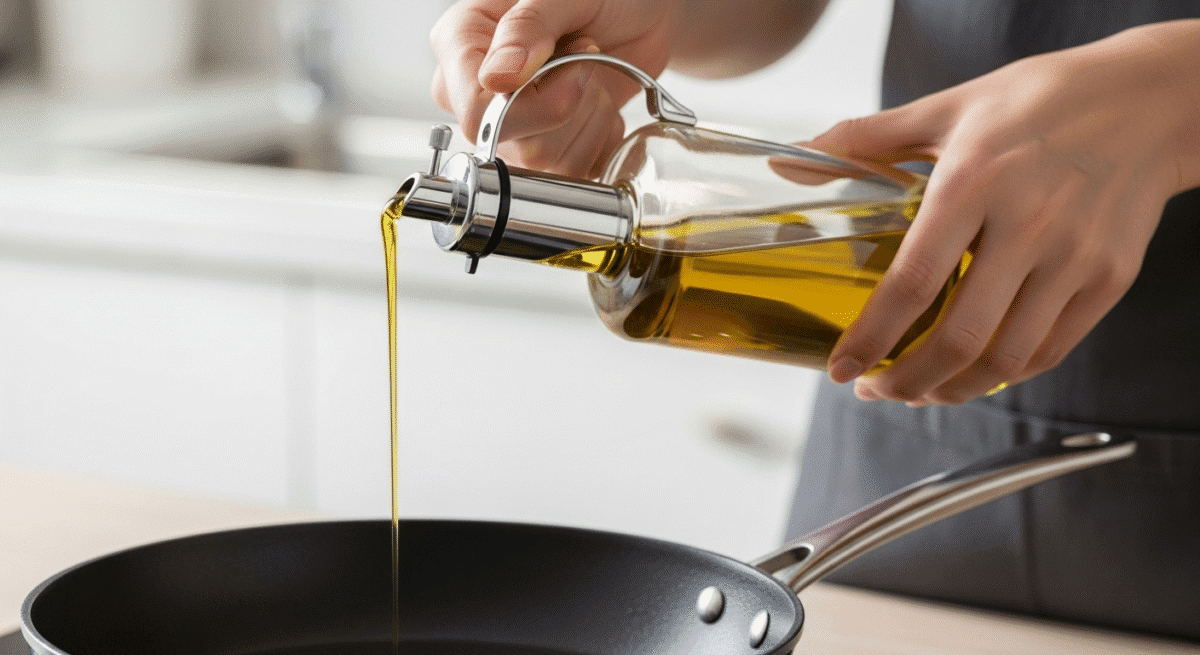
Oil Dispenser Bottle No Drip: Stop the Greasy Mess
You pour oil from the bottle and it drips down the side every single time. Your counter gets greasy, the bottle feels slippery, and you’re constantly wiping up puddles. An oil dispenser bottle no drip design finally solves this annoying problem.
Why Regular Oil Bottles Drive You aggravate
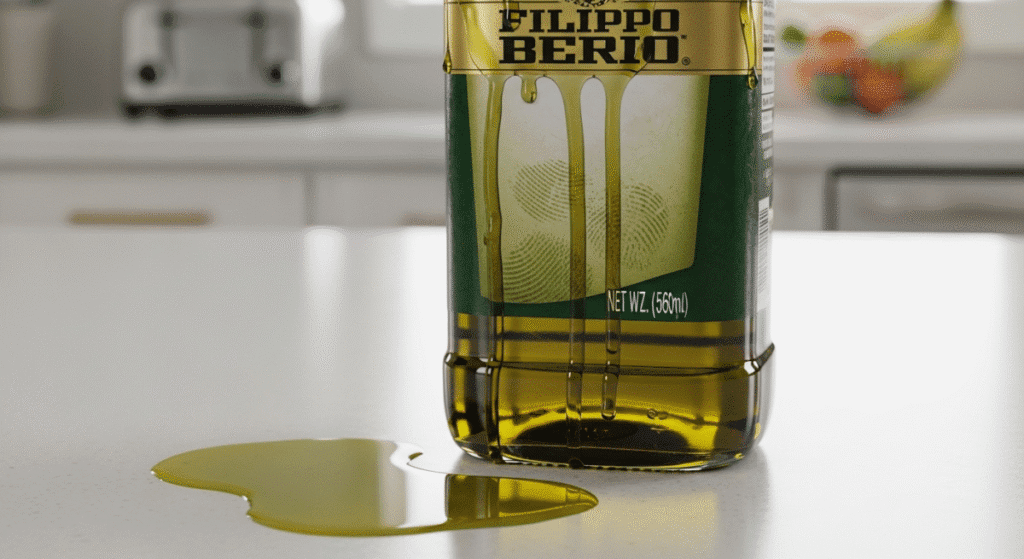
Most cooking oil comes in bottles designed for shelf display, not actual use. The opening is too wide, there’s no pour control, and drips are basically guaranteed.
So you end up using way more oil than you need. Your food gets greasier, your hands get messy, and that bottle becomes disgusting to handle after a few uses.
But a proper oil dispenser bottle no drip system changes everything. You pour exactly what you need, nothing drips down the sides, and your kitchen stays cleaner.
What Makes an Oil Dispenser Actually No Drip
Specialized Pouring Spout Design
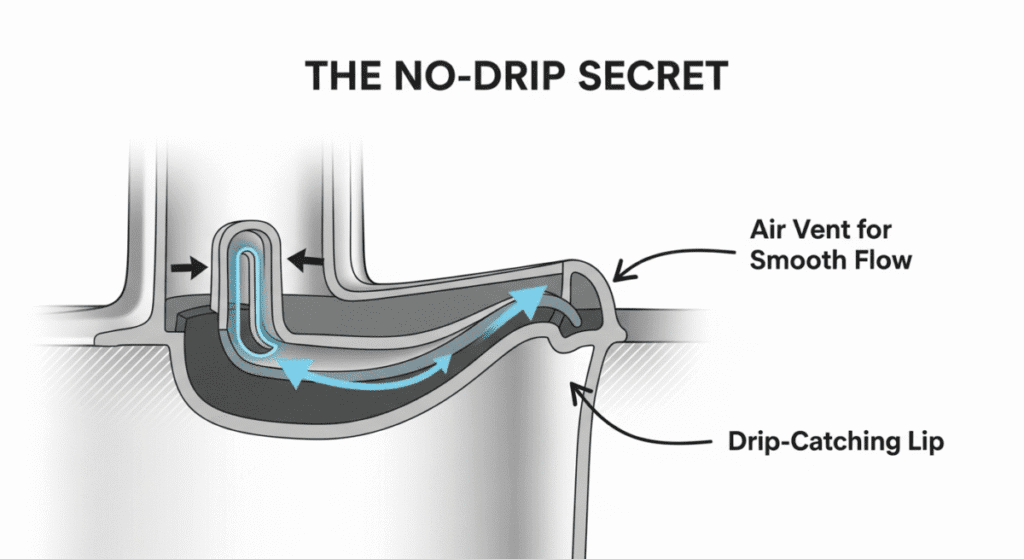
The spout makes all the difference. Look for a narrow opening with a curved or angled tip that directs oil cleanly into your pan.
Quality spouts have a drip-prevention lip. When you tip the bottle back upright, surface tension pulls the last drop back inside instead of letting it run down the side.
Some designs use a spring-loaded cap that opens only when you pour. The moment you stop tilting, it closes and seals completely.
Proper Air Pressure Management
Here’s something most people don’t realize – dripping happens because air rushes into the bottle as oil flows out. This creates pressure that forces extra oil through the spout.
The best oil dispenser bottle no drip models have vents or dual-chamber designs. Air enters through a separate channel, so oil flows smoothly without that pressure surge.
Quality Seal and Cap System
A tight seal prevents oil from seeping out when the bottle sits in your cabinet. Cheap caps loosen over time and leak.
Look for screw-on caps with rubber or silicone gaskets. Push-in stoppers work too, but they tend to pop out if you knock the bottle over.
Non-Stick Interior Coating
Some premium bottles have a coating that prevents oil from clinging to the inside walls. This means less waste and cleaner pouring.
Glass bottles with smooth surfaces work better than textured plastic. Oil slides down clean glass much easier than it does down rough plastic.
Types of No Drip Oil Dispensers
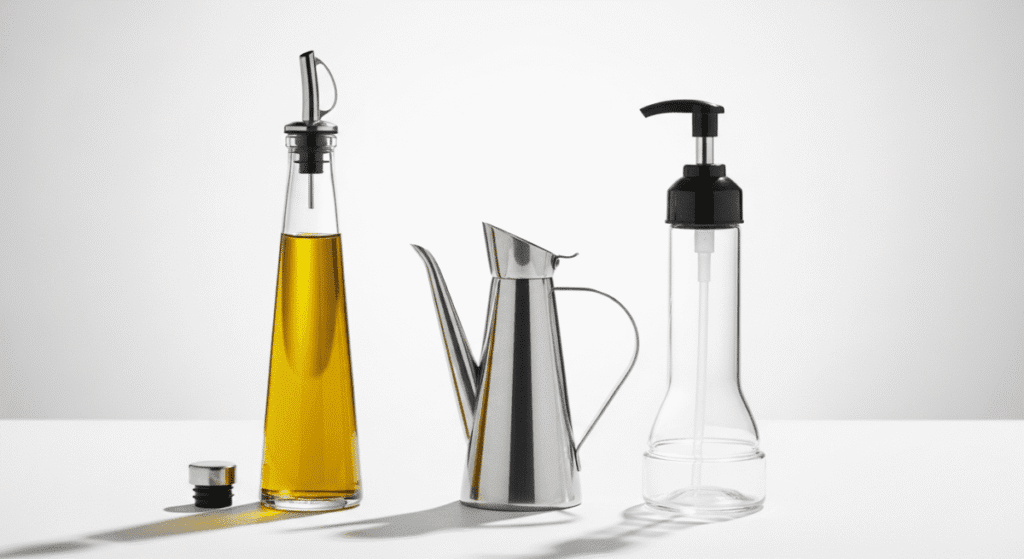
Glass Bottles with Measured Pourers
These look elegant on your counter and let you see exactly how much oil remains. The glass is usually thick enough to protect the oil from light damage.
Measured pourers dispense a specific amount per tilt. You can control portions without measuring spoons, which is perfect for healthier cooking.
Stainless Steel Cruets
Metal dispensers keep oil fresher longer by blocking all light. They’re also nearly indestructible compared to glass.
The downside is you can’t see the oil level. But most designs are small enough that you refill them before they run empty anyway.
Pump-Style Dispensers
Press a pump to dispense one tablespoon or teaspoon at a time. These offer the most precise control and literally zero drips.
They’re bulkier than pouring bottles and require two hands to operate. But for strict portion control, pumps can’t be beat.
Squeeze Bottles with Precision Tips
Restaurant-style squeeze bottles with narrow tips give you complete control. They’re lightweight, cheap, and nearly impossible to break.
However, oil can clog narrow tips over time. And squeezing gets tiring if you need to dispense large amounts.
Key Features That Actually Matter
Transparent Window or Gauge
Even with metal bottles, you need to know when you’re running low. A clear window or level indicator solves this problem.
Some bottles have measurement markings on the side. That’s useful for recipes that call for specific amounts of oil.
Wide Opening for Easy Refilling
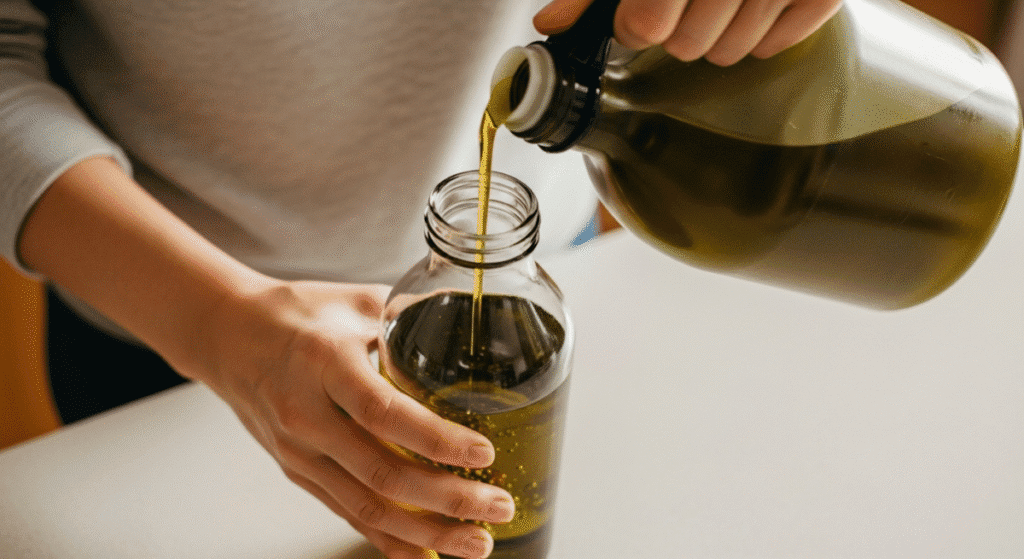
Pouring oil from a gallon jug through a tiny bottle opening is frustrating. Look for bottles with removable tops or wide mouths.
Funnel-shaped openings help too. You can refill without spilling and wasting expensive olive oil all over your counter.
Comfortable Grip Design
You hold the bottle with oily or wet hands while cooking. Smooth glass bottles slip right out of your grip.
Textured areas, silicone sleeves, or ergonomic shapes make handling safer. This matters more than you’d think when you’re juggling multiple cooking tasks.
Appropriate Capacity Size
Tiny bottles look cute but need constant refilling. Huge bottles are heavy and awkward to handle.
Most people find 16-20 ounces perfect for daily cooking. It lasts a reasonable time but isn’t too heavy when full.
How to Use Your Dispenser for Best Results
Proper Filling Technique
Don’t fill completely to the brim. Leave about half an inch of space at the top. This prevents overflow when you screw the cap back on.
Fill slowly to avoid creating bubbles. Air bubbles can affect how smoothly the oil pours and might cause dripping.
Correct Pouring Angle
Tip the bottle slowly and steadily. Quick jerky movements create splashing and dripping despite the no-drip design.
Hold the bottle over your pan, not over the counter. Even the best designs occasionally drip on that first pour after sitting unused.
Cleaning Between Oil Types
If you switch from vegetable oil to olive oil, wash the bottle thoroughly first. Residual flavors mix and affect your cooking.
Use hot soapy water and a bottle brush. Rinse multiple times because soap residue ruins the taste of your oil.
Storing Correctly
Keep oil dispensers away from the stove. Heat and light degrade oil quality faster than most people realize.
A cool, dark cabinet works best. If your dispenser is pretty enough to display, at least keep it away from direct sunlight and heat sources.
Maintenance and Cleaning Tips
Daily Wipe Down
After each use, wipe the spout and exterior with a paper towel. This prevents dust from sticking to any oil residue.
Even no-drip designs sometimes get a tiny bit of oil on the spout. A quick wipe keeps everything clean and prevents buildup.
Weekly Deep Clean
Once a week, wash the entire bottle with hot soapy water. Disassemble all removable parts and clean them separately.
Pay special attention to the pouring mechanism. Oil residue builds up there and can eventually affect the no-drip function.
Dealing with Cloudy Residue
Oil leaves a film inside bottles over time. Fill the bottle with hot water and a drop of dish soap, then shake vigorously.
For stubborn residue, add a tablespoon of white vinegar or baking soda. Let it soak for 30 minutes before scrubbing with a bottle brush.
Unclogging Narrow Spouts
If your spout gets clogged, soak it in hot soapy water for 15 minutes. Then use a toothpick or small brush to clear the opening.
For really stubborn clogs, rubbing alcohol dissolves oil buildup quickly. Just rinse thoroughly before using the bottle again.
Oil Dispenser Bottle No Drip: Pros and Cons
The Benefits
Cleaner Kitchen – No more greasy counter rings or slippery bottle bottoms. Everything stays neat and tidy.
Better Portion Control – You use exactly what you need instead of accidentally glugging out too much. That saves money and calories.
Fresher Oil – Sealed designs protect oil from air and light exposure. Your oil tastes better and lasts longer.
Safer Cooking – Less oil on your hands and counter means fewer slipping accidents while handling hot pans.
Professional Look – Nice dispensers look way better than commercial oil bottles sitting on your counter.
The Drawbacks
Initial Investment – Quality no-drip bottles cost $15-30. That feels expensive compared to using the bottle oil came in.
Learning Curve – Finding the right pouring angle takes practice. Your first few uses might still involve minor drips.
Cleaning Required – Regular oil bottles you just toss and replace. Dispensers need washing and maintenance.
Size Limitations – Most dispensers hold less than commercial bottles. You’ll transfer oil more often.
Breakage Risk – Glass dispensers look great but break if dropped. That’s wasted oil and a dangerous mess to clean.
Frequently Asked Questions
What type of oil works best in these dispensers?
Most oils work fine, but thinner oils like vegetable and canola pour most smoothly. Thick oils like extra virgin olive oil might pour slowly in cold weather.
Very thick oils like sesame or walnut sometimes struggle with narrow spouts. For those, choose dispensers with wider openings.
Can I use these for other liquids?
Yes, they work great for vinegar, soy sauce, maple syrup, or any pourable liquid. Just clean thoroughly when switching between different liquids.
Avoid anything with particles or chunks. Those clog the pouring mechanism and defeat the no-drip design.
How do I prevent oil from going rancid?
Store your dispenser in a cool, dark place away from heat sources. Only fill it with oil you’ll use within 1-2 months.
For long-term storage, keep your main oil supply in the original sealed container in a pantry or cabinet.
Are plastic or glass dispensers better?
Glass doesn’t absorb odors, looks nicer, and is easier to clean thoroughly. But it breaks if dropped.
Plastic is lighter, cheaper, and unbreakable. However, it can absorb oil smells over time and may stain from certain oils.
Do these work for thick oils like coconut oil?
Not really. Coconut oil solidifies at room temperature and won’t pour through narrow spouts. You’d need a jar with a spoon instead.
For oils that solidify partially, choose dispensers with wider openings that accommodate slightly thicker textures.
How often should I replace my oil dispenser?
Glass bottles last indefinitely if you don’t break them. Plastic bottles should be replaced every 1-2 years as they can develop odors.
Replace any dispenser if the no-drip mechanism stops working properly or if you can’t get it completely clean anymore.
Will these fit in my cabinet?
Measure your cabinet height before buying. Most dispensers are 8-12 inches tall, but some decorative ones are taller.
Also consider width if you’re storing multiple bottles. Measure your cabinet space and check product dimensions carefully.
Can I put these in the dishwasher?
Check the manufacturer’s instructions. Many glass and stainless steel models are dishwasher safe, but some have parts that need hand-washing.
The pouring mechanisms often have rubber seals that degrade in dishwashers. Hand-washing usually extends their life significantly.
Making Your Decision
Think about what oils you use most frequently. If you go through olive oil quickly, invest in a quality glass dispenser for daily use.
Consider your kitchen style too. A beautiful dispenser you’re proud to display gets used more than one you hide in a cabinet.
Read reviews specifically mentioning the no-drip feature. Some bottles claim to be drip-free but actually aren’t, and real users will tell you the truth.
Final Thoughts

An oil dispenser bottle no drip design seems like a small upgrade, but it genuinely improves your daily cooking experience. Less mess, better control, and a cleaner kitchen.
Now you know what features prevent dripping and which designs work best for different situations. So pick one that matches your cooking style and oil preferences.
Ready to stop wiping up greasy puddles every time you cook?