
Herb Scissors with Cleaning Comb: Cut Fresh Herbs in Seconds
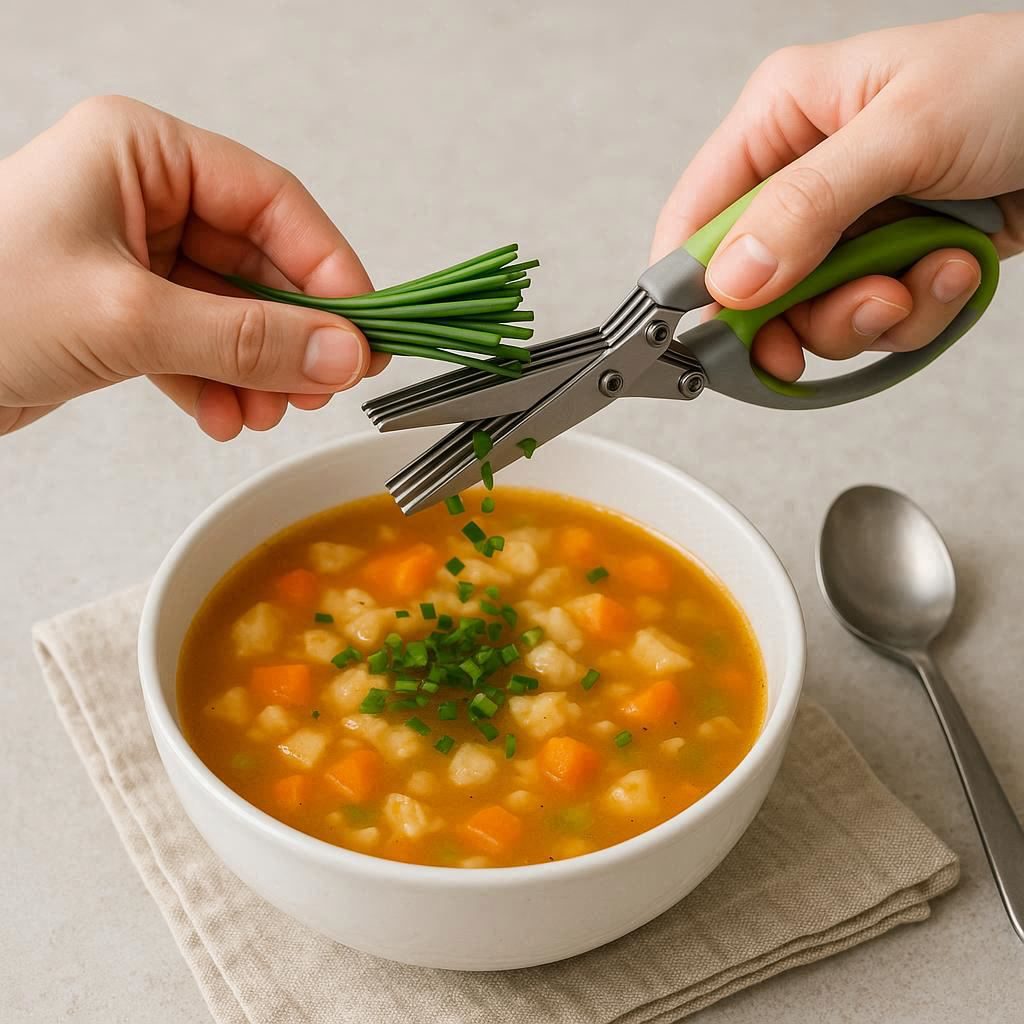
You spend forever chopping basil with a knife, and half of it sticks to your cutting board. Then you wash your hands three times and still smell like herbs. Herb scissors with cleaning comb solve both problems instantly.
Why Regular Knives Waste Your Time
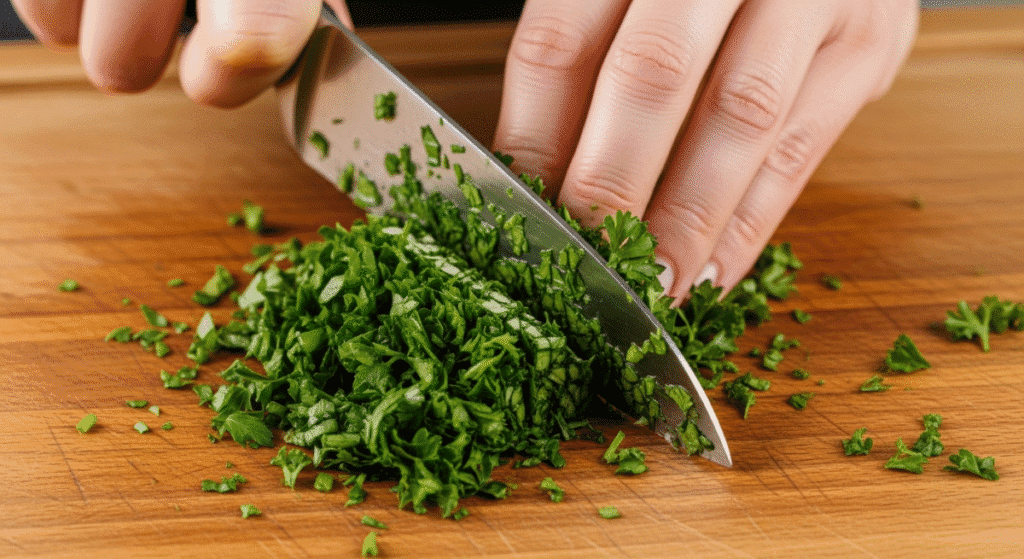
Chopping fresh herbs with a knife seems simple until you actually do it. The herbs stick to the blade, slide around on the board, and end up bruised instead of cleanly cut.
So you either avoid using fresh herbs or you settle for messy, uneven pieces. Neither option is great when fresh herbs make such a huge difference in your cooking.
But herb scissors with cleaning comb change everything. You cut herbs directly into your dish in seconds, and the included comb pulls stuck pieces right off the blades.
What Makes Herb Scissors Worth Owning
Multiple Blade Design
Most herb scissors have 5 blades instead of 2. That means each snip cuts herbs into multiple pieces simultaneously.
One cut with 5-blade scissors equals five cuts with regular scissors. You finish chopping in a fraction of the time with perfectly uniform pieces.
Some models have 3 blades, which still work well. But 5-blade designs are the sweet spot between cutting speed and blade durability.
The Cleaning Comb Attachment
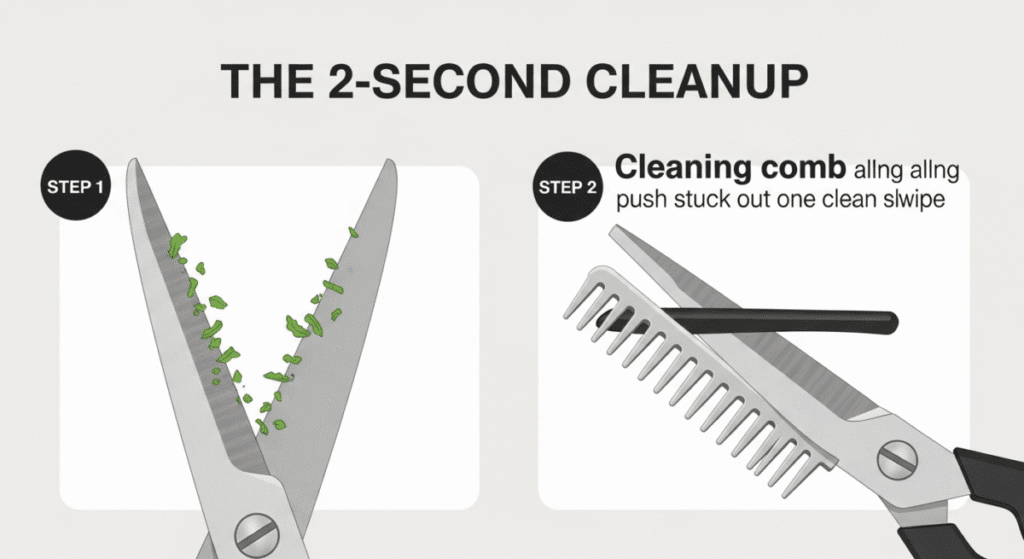
This is what separates good herb scissors from great ones. The comb has teeth that fit perfectly between the blades.
After cutting, you just run the comb through the blades. It scrapes off every stuck herb piece in one swipe. No picking at blades with your fingers or rinsing under water.
Many scissors store the comb right in the handle. That means you never lose it, and it’s always ready when you need it.
Sharp Stainless Steel Blades
Dull blades crush herbs instead of cutting them cleanly. That releases bitter juices and makes everything look bruised.
Quality stainless steel holds an edge longer and resists rust. Look for scissors with precision-ground blades, not just stamped metal.
Comfortable Grip Handles
Cutting herbs with multiple blades takes slightly more hand strength than regular scissors. Ergonomic handles make a real difference.
Soft-grip rubber or silicone handles prevent hand fatigue. This matters when you’re cutting large amounts of parsley or cilantro for a recipe.
Types of Herb Scissors Available
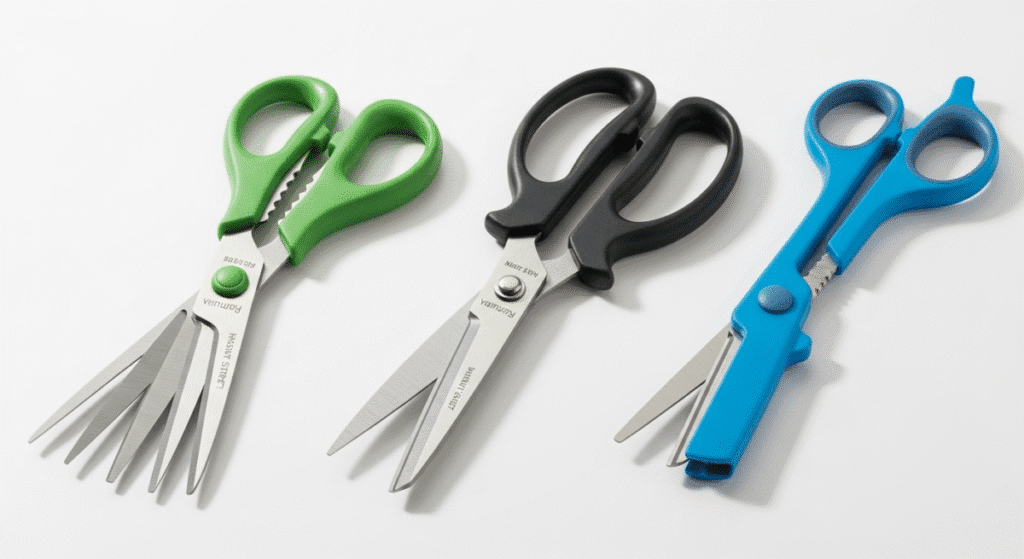
Standard 5-Blade Scissors
These are the most common design. Five parallel blades with standard scissor handles and a cleaning comb.
They work for all herbs and cut directly into bowls, pans, or over salads. The versatile design handles everything from delicate chives to tough rosemary.
Heavy-Duty Models
Thicker blades and reinforced construction for cutting woody herbs like rosemary or thyme stems.
These cost more but last longer if you regularly work with tougher ingredients. The blades resist bending and stay sharp through heavy use.
Compact Travel Versions
Smaller scissors with protective blade covers. Perfect for camping, RVs, or small kitchens with limited drawer space.
They have fewer blades (usually 3) and smaller handles. But they still cut way faster than knives in tight quarters.
Dishwasher-Safe Models
Some herb scissors with cleaning comb are specifically designed for dishwasher use. Sealed rivets prevent water damage and rust.
These cost slightly more but save time on cleaning. Just toss them in the dishwasher after use instead of hand-washing.
How to Use Herb Scissors Effectively
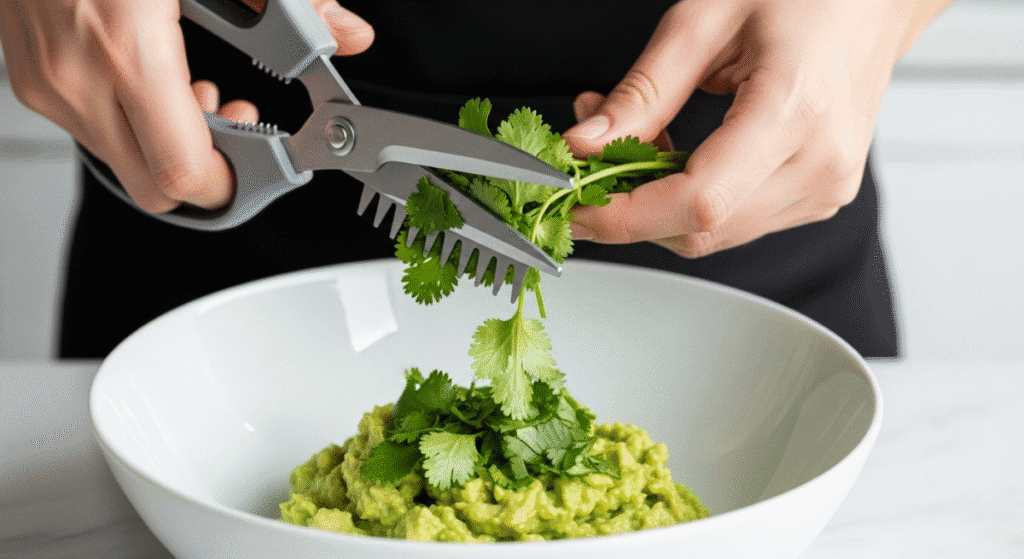
Cutting Directly into Dishes
Hold the scissors over your pan, bowl, or plate. Snip fresh herbs directly where you need them.
This eliminates the cutting board completely. No transfer mess, no stuck herbs on the counter, no extra cleanup.
The Right Cutting Technique
Hold a bunch of herbs in one hand and cut with the other. Make quick snipping motions about an inch from your fingers.
Don’t try to cut too much at once. Small bunches cut cleaner and the scissors work more efficiently with less strain.
Using the Cleaning Comb
After cutting, scrape the comb through all the blades from handle to tip. Work it back and forth a few times.
Herbs fall right off onto your cutting board or into the sink. Then rinse the scissors quickly under water and you’re done.
Cutting Different Herb Types
Soft herbs like basil, cilantro, and parsley cut easiest. Just bunch them loosely and snip away.
For tougher herbs like rosemary, cut smaller amounts per snip. The scissors handle it fine, but too much at once dulls the blades faster.
Delicate herbs like dill or chervil need gentle cutting. Light pressure prevents crushing while still cutting cleanly.
Maintenance and Care
Cleaning After Each Use
Use the comb to remove stuck herbs immediately after cutting. Don’t let pieces dry on the blades.
Rinse under hot water and wipe the blades with a paper towel. This takes 15 seconds and prevents buildup.
Deep Cleaning Weekly
Once a week, disassemble the scissors if possible. Some models have removable blades for thorough cleaning.
Soak in hot soapy water for 5 minutes, then scrub between blades with a small brush. This removes any hidden residue.
Drying Properly
Never put scissors away wet. Water trapped between blades causes rust and corrosion.
Shake off excess water and let them air dry completely. Or dry each blade individually with a clean towel.
Sharpening When Needed
Herb scissors with cleaning comb models eventually dull with use. Some people use scissor sharpeners designed for multiple blades.
However, quality scissors stay sharp for months or even years. When they finally dull, replacement is often cheaper than professional sharpening.
Storing Safely
Keep scissors in a drawer with blade guards if available. This protects the blades and prevents accidents when reaching into drawers.
Some models come with protective covers. Use them, especially if you have kids who might grab kitchen tools.
Common Problems and Solutions
Herbs Getting Stuck Between Blades
This happens when blades aren’t sharp enough or you’re cutting too much at once. Use the cleaning comb immediately after each use.
For stubborn stuck pieces, run the scissors under hot water while using the comb. The heat helps release sticky herb oils.
Scissors Feeling Stiff or Hard to Open
Built-up herb residue in the pivot point causes stiffness. Clean thoroughly and apply a tiny drop of food-safe mineral oil.
Work the scissors open and closed several times to distribute the oil. Wipe off any excess before using them on food.
Blades Not Cutting Cleanly
Dull blades crush herbs instead of cutting. You’ll notice bruised, torn edges instead of clean cuts.
Try sharpening, but if the scissors are old or cheap, replacement might be the better option. Quality scissors last much longer.
Rust Spots Appearing
This means water is trapped between blades or the metal isn’t quality stainless steel. Dry more thoroughly after washing.
For existing rust, scrub with a paste of baking soda and water. Rinse well and dry immediately. Consider upgrading to better scissors.
Herb Scissors with Cleaning Comb: Pros and Cons
The Benefits
Incredibly Fast – Cut herbs in seconds instead of minutes. Five blades mean one snip does the work of five.
No Cutting Board Needed – Snip directly into your cooking. Less mess, fewer dishes, and herbs go straight where you need them.
Easy Cleanup – The cleaning comb removes stuck herbs instantly. Total cleanup time is about 20 seconds.
Uniform Pieces – Every herb piece comes out the same size. That means even flavor distribution in your dishes.
Multipurpose Use – Works for green onions, chives, lettuce, spinach, and even cutting pizza or quesadillas into strips.
The Drawbacks
Limited to Small Pieces – You can’t make large herb cuts or chiffonade with scissors. For that, you still need a knife.
Takes Up Drawer Space – The multiple blades make these bulkier than regular kitchen scissors.
More Expensive – Quality herb scissors with cleaning comb cost $12-25. That’s pricey for a specialized tool.
Requires Hand Strength – Cutting through multiple blades simultaneously takes more grip strength than single-blade scissors.
Not Ideal for All Herbs – Very woody stems like thick rosemary branches work better with a knife. Scissors handle softer herbs best.
Frequently Asked Questions
Can I use these for things other than herbs?
Yes, they work great for cutting green onions, trimming lettuce, chopping spinach, or even cutting cooked chicken into strips.
Some people use them for paper crafts too. But using them on food and non-food items requires thorough cleaning between uses.
How do I know if the blades are sharp enough?
Sharp scissors cut cleanly through a single basil leaf without tearing. If you see bruised edges or the leaf tears, they need sharpening.
Fresh herbs should look bright and cleanly cut. Crushed or brown edges mean the blades are too dull.
Are these dishwasher safe?
It depends on the model. Check the manufacturer’s instructions before putting any scissors in the dishwasher.
Even dishwasher-safe models benefit from hand-washing occasionally. It extends blade life and prevents loosening of the pivot point.
What if I lose the cleaning comb?
You can use a regular comb or even a fork to scrape between blades. Or contact the manufacturer – many sell replacement combs.
In a pinch, running the scissors under hot water while scrubbing with a brush works. But the comb is definitely easier.
Do I need to oil the blades?
Not regularly, but a tiny drop of food-safe mineral oil on the pivot point every few months helps maintain smooth operation.
Never use cooking oil – it gets sticky and attracts dust. Mineral oil stays clean and doesn’t go rancid.
Can left-handed people use these comfortably?
Most herb scissors work fine for both hands since the blade arrangement is symmetrical. The cutting motion is straight down, not angled.
However, check handle design. Some ergonomic models are shaped specifically for right-handed users and feel awkward for lefties.
How long do quality herb scissors last?
With proper care, good stainless steel herb scissors last 3-5 years of regular use. Cheap ones might only last 6-12 months.
The cleaning comb usually outlasts the scissors. Blade dullness is typically what eventually requires replacement.
Can these cut through frozen herbs?
Not recommended. Frozen herbs are too hard and will damage the blades or bend them out of alignment.
Let herbs thaw first, or use a knife for frozen ingredients. Save your herb scissors for fresh or dried herbs only.
Making Your Choice
Think about how often you cook with fresh herbs. If you use them multiple times a week, herb scissors with cleaning comb become a daily time-saver.
Read reviews about the cleaning comb specifically. Some models have combs that work better than others, and user feedback reveals the truth.
Consider handle comfort if you have arthritis or weak grip strength. Try them in-store if possible, or check return policies for online purchases.
Final Thoughts

Herb scissors with cleaning comb seem like a luxury until you actually use them. Then they become one of those tools you wonder how you lived without.
Now you know what features matter, how to use them effectively, and what to expect from quality models. So pick a pair that fits your cooking style and budget.
Ready to stop wrestling with sticky herbs on your cutting board?