How to Fix Bland, Boring Food
How to Fix Bland Food (The 3 Secrets to Amazing Flavor)
Hello and welcome. Have you ever followed a recipe perfectly, but when you taste the final dish, it just tastes, bland, boring Food, flat? This is the most common problem in the kitchen, How to fix Bland, Boring Food and it is also the easiest to recover.
This guide is your rescue from bland, boring food forever. We’re going to cover the three simple “secret weapons” that professional chefs use to make food taste amazing. Once you understand them, you will have the confidence to fix any bland dish.
Why Does Food Taste Bland?
When food tastes bland, boring or “one-note,” it is almost never because you used the wrong ingredients. It’s because the flavors you have are not balanced. Think of it like a seesaw. If all the weight is on one side, it’s not very fun. Good cooking is about creating balance.
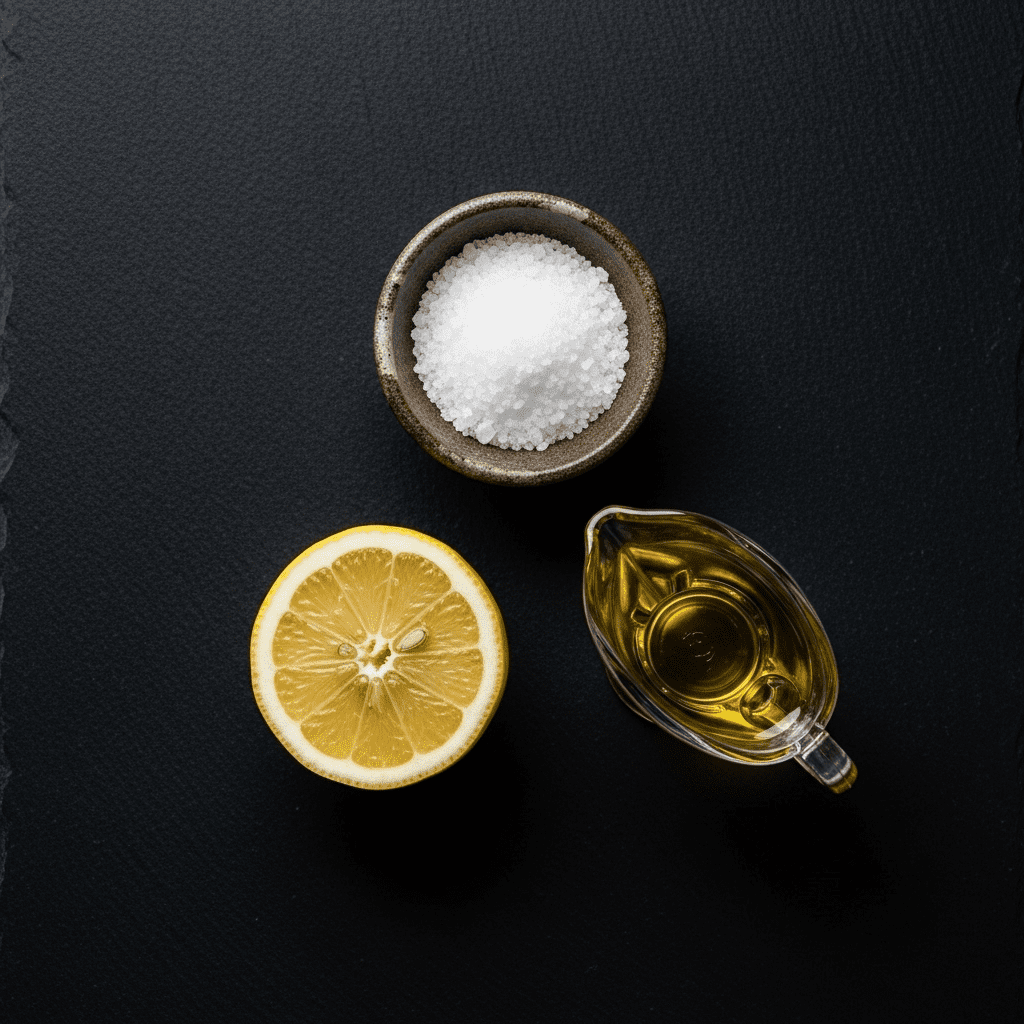
The three most important elements for balancing flavor are Salt, Fat, and Acid. If your dish is missing one of these, it will taste flat.
Rescue #1: Salt (The Flavor Awakener)
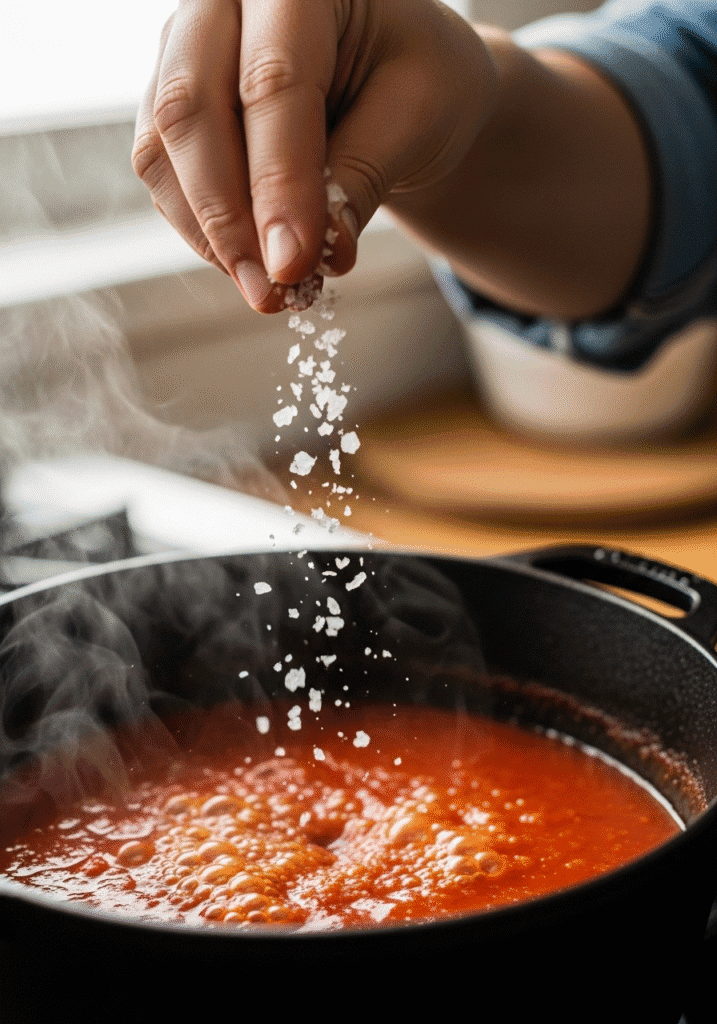
This is the most important rescue. 99% of the time, when a dish tastes bland, it simply needs more salt.
The Problem: You are afraid of over-salting, so you only add a tiny pinch at the very end.
The Simple Science: Salt’s job is not just to make things taste salty. Its real magic is that it makes food taste more like itself. It makes tomatoes taste more tomato-y and chicken taste more chicken-y. It wakes up all the other flavors in the dish.
The Rescue Plan:
- Taste your food. This is the first and most important step.
- Add a small pinch of salt. Use fine sea salt, not table salt.
- Stir it in completely.
- Wait 30 seconds, and then taste it again.
Did it get a little better? If yes, you are on the right track. Keep adding a tiny pinch at a time, stirring, and tasting, until the flavors “pop.” You will be amazed at the difference it makes.
The Pro Tip: Salt in Layers
The best way to get a deep, rich flavor is to add salt at every stage of cooking. When you boil pasta, salt the water. When you sauté onions, add a pinch of salt. This seasons each ingredient from the inside out and builds a foundation of flavor that you can’t get by just adding it all at the end.
Rescue #2: Acid (The Secret Weapon)
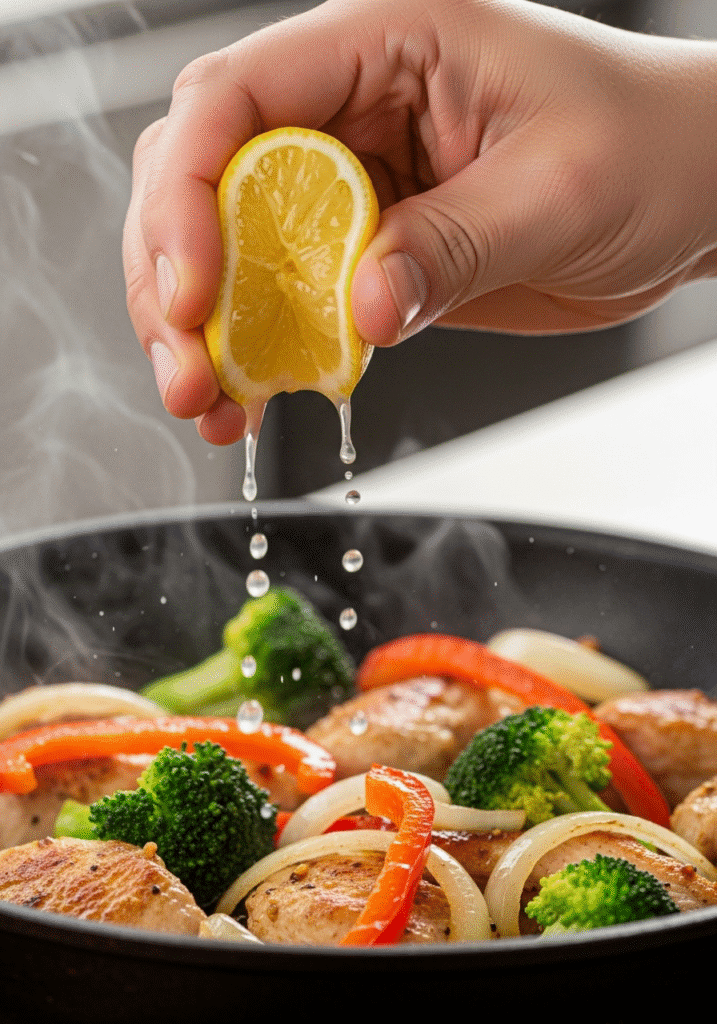
If you’ve added enough salt and your food still tastes heavy or boring, the secret weapon you need is acid.
The Problem: Your soup is rich, your sauce is heavy, but it just feels like something is missing. It’s not exciting.
The Simple Science: Acid is like a bright light in a dark room. It cuts through richness and fat, and it makes all the other flavors feel brighter and more alive. It adds that “zing” or “sparkle” that makes food delicious.
The Rescue Plan:
- Choose your acid. The most common and useful one is fresh lemon juice. A simple squeeze of a lemon can transform a dish. Other great options are lime juice, apple cider vinegar, or a splash of white wine.
- Add a very small amount. Start with just a teaspoon of lemon juice or vinegar.
- Stir it in and taste immediately.
The change is often instant. Your heavy soup will suddenly feel lighter. Your rich sauce will feel brighter. Acid is the secret that balances out rich and fatty foods perfectly.
Rescue #3: Fat (The Flavor Carrier)
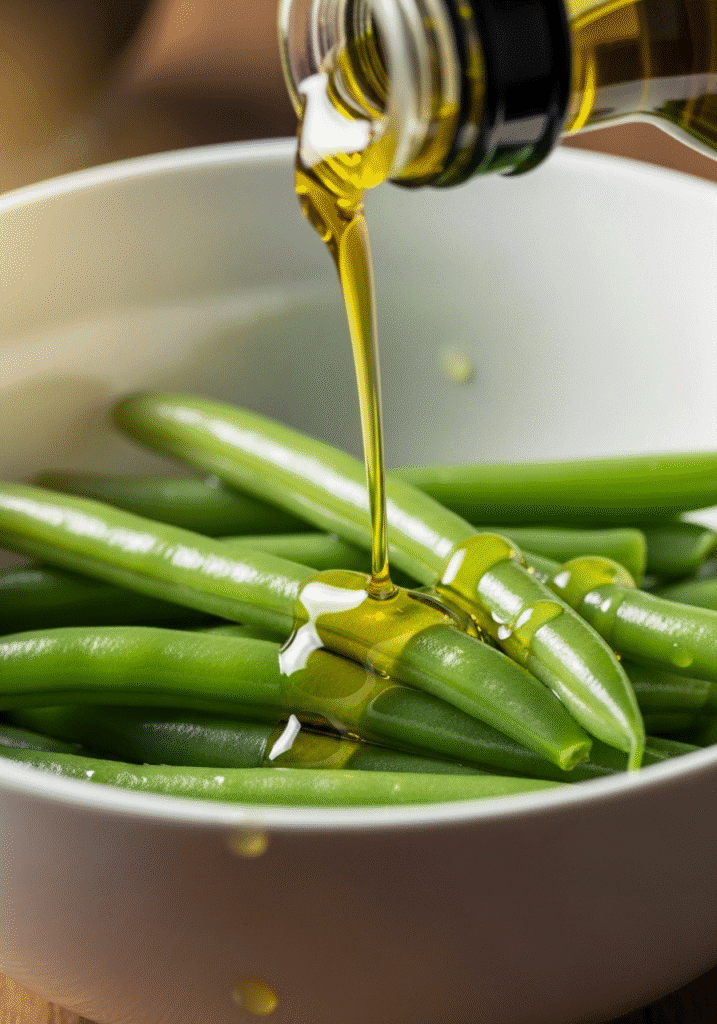
Sometimes, a dish (especially a very lean one) tastes bland because it doesn’t have enough fat to carry the flavors to your tongue.
The Problem: Your steamed vegetables are boring. Your lean chicken breast is a little plain.
The Simple Science: Many flavor compounds are “fat-soluble,” which means they only dissolve in fat. Without a little fat, you can’t even taste them properly. Fat also gives food a satisfying, rich texture that we all love.
The Rescue Plan:
This is called “finishing” a dish with fat. It happens right at the end.
- Choose a good-quality fat. A drizzle of extra-virgin olive oil is the most common and delicious choice. A small pat of butter is also a fantastic option.
- Add it off the heat. After your vegetables are steamed or your chicken is cooked, take it off the heat.
- Drizzle and toss. Drizzle a small amount of your olive oil or add a pat of butter and toss to coat.
This simple step can rescue bland vegetables, a dry piece of chicken, or a plain bowl of soup. It adds a final layer of richness that makes the meal feel complete.
Your Action Plan for Flavor

The next time you make a dish and it tastes a little boring, don’t be disappointed. Be a detective! Grab a tasting spoon and ask yourself the three rescue questions:
- Does it need more salt? (Try this first, always.)
- Does it need a little acid? (Is it heavy or dull?)
- Does it need a little fat? (Is it lean and plain?)
By tasting and adjusting with these three simple tools, you will gain the power to fix any bland meal. You will have the confidence to rescue any dish.