How to Stock Your Pantry:
Your Complete Guide to Never Running Out of Meal Ideas
You know that feeling when you open your fridge and think “there’s nothing to eat”? It happens to everyone. The real problem isn’t that you don’t have food. It’s that you don’t have the right food that works together.
What Does “Well-Stocked” Actually Mean?
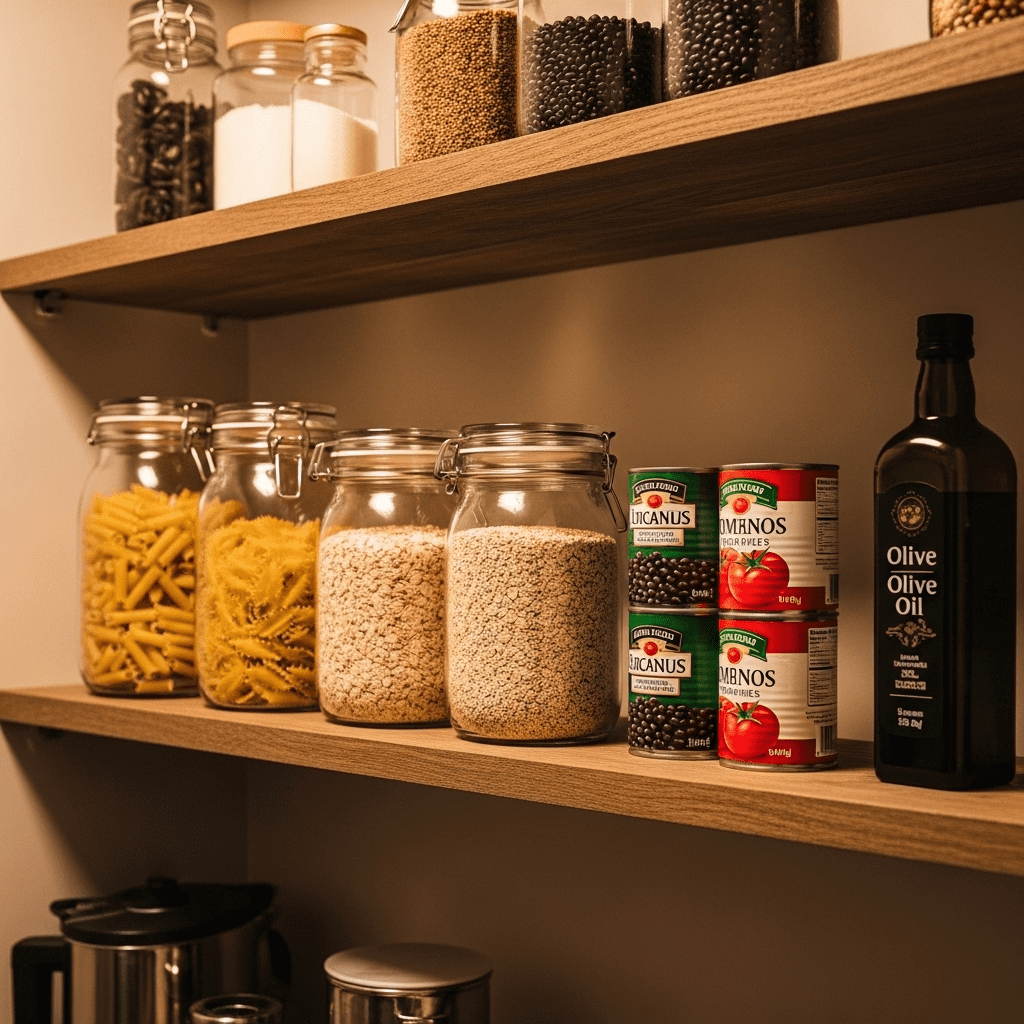
Here’s the thing about pantries. You don’t need tons of stuff. You need smart stuff. Think about it like having tools. You don’t need every tool that exists. But you do need a good hammer, some screwdrivers, and a wrench for most jobs.
Your pantry works the same way. Get the right basics and you can make hundreds of different meals. The goal is simple. Keep ingredients that last a long time. Have things that taste good together. Stock stuff that saves you when you’re tired and hungry.
Most people make this too hard. They buy random things that sound fancy. Then nothing goes together. Or they buy too much at once and feel overwhelmed.
Start small. Pick up one or two new pantry items each time you shop. Build it slowly. Focus on ingredients that do multiple jobs.
The Foundation: Oils and Vinegars
Fat makes food taste better. Acid makes flavors pop. These two things are your secret weapons.
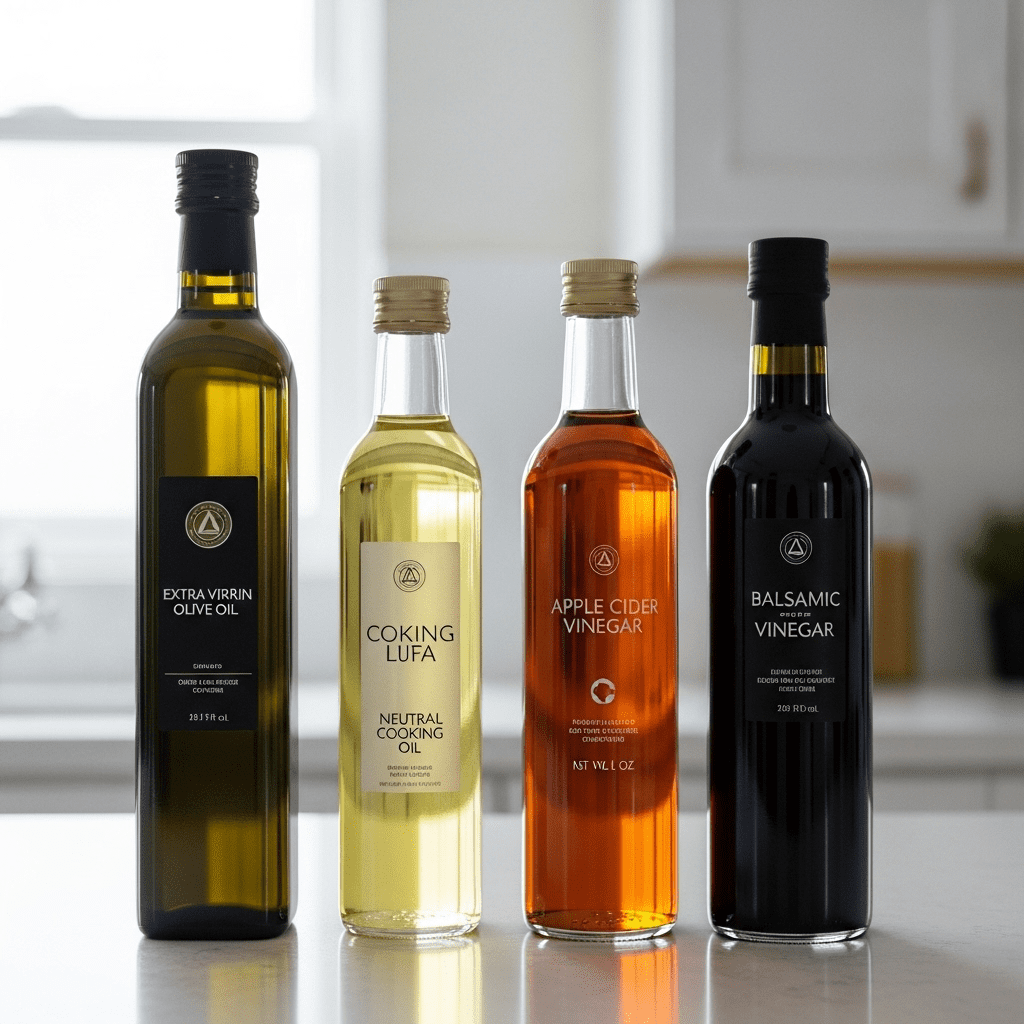
Extra-virgin olive oil goes on almost everything. Use it for salad dressing. Drizzle it over finished dishes. Cook with it on medium heat. Buy a decent bottle. You’ll taste the difference.
A neutral cooking oil handles the high-heat jobs. Avocado oil works great. So does canola or vegetable oil. Pick one and stick with it.
Apple cider vinegar is perfect for beginners. It’s not too strong. Mix it with olive oil for instant salad dressing. Add a splash to soups or stews. It brightens everything up.
Balsamic vinegar is a bit sweeter. Great over roasted vegetables. Amazing in pasta salads. A little goes a long way.
These four bottles will transform how your food tastes. And they last forever.
Your Rescue Team: Canned Goods
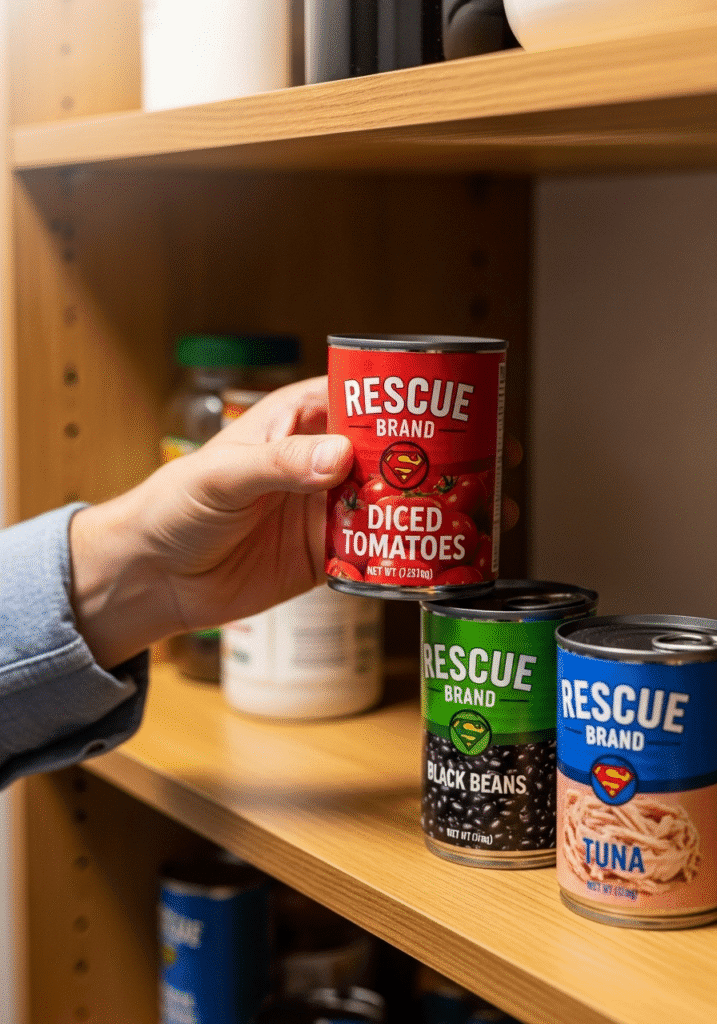
Canned food gets a bad reputation. But it’s already cooked and ready to go. When you’re exhausted after work, canned goods save the day.
Canned tomatoes are the most important thing in your pantry. Get diced tomatoes, crushed tomatoes, and a small can of tomato paste. These make pasta sauce, soup base, chili, and curry. One can of diced tomatoes plus some pasta equals dinner in 15 minutes.
Canned beans are instant protein. Black beans go in tacos and salads. Chickpeas work in curry or roasted as snacks. White beans like cannellini are perfect for Italian dishes. Rinse them before you use them to cut the sodium.
Canned tuna or salmon keeps forever and takes zero prep. Mix with mayo for sandwiches. Add to pasta salad. Make quick fish cakes. Get the kind packed in water if you want less calories.
Full-fat coconut milk is amazing for making things creamy without dairy. Add it to curry. Use it in soup. It makes everything rich and satisfying.
Don’t buy the light coconut milk. The full-fat version has way more flavor.
The Filling Stuff: Grains and Pasta
These ingredients turn a snack into a real meal. They fill you up and stretch your dollar.
Pasta should always be in your pantry. Keep one long type like spaghetti. Keep one short type like penne. That covers most recipes you’ll find. Whole wheat pasta has more fiber but regular pasta tastes better to most people.
Rice is cheap and versatile. Long-grain white rice works for everything. Brown rice is healthier but takes longer to cook. Jasmine rice smells amazing. Basmati rice is fluffy and light. Pick one type and learn to cook it perfectly.
Quinoa cooks faster than rice and has complete protein. Use it in grain bowls. Add it to salads. It’s nutty and filling.
Rolled oats aren’t just for breakfast. Add them to meatballs as a binder. Use them to make crispy toppings for casseroles. They’re cheap and versatile.
Dried lentils are incredible. Brown and green lentils hold their shape when cooked. Red lentils break down and thicken soups. They don’t need soaking like other dried beans. Cook in about 20 minutes.
The Magic Makers: Spices and Seasonings
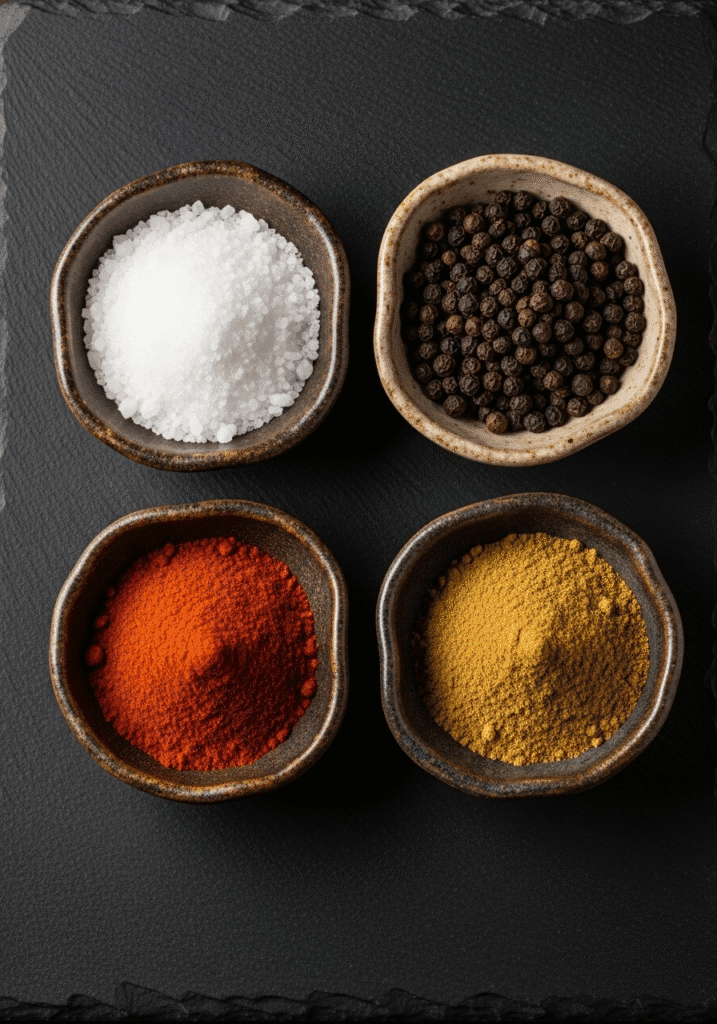
You don’t need 50 different spices. You need the right ones. Start here and add more as you cook.
Salt and pepper are obvious but worth mentioning. Get fine sea salt, not table salt. The flavor is cleaner. Buy whole peppercorns and grind them fresh. Pre-ground pepper tastes like dust.
Garlic powder and onion powder build the base flavors in most dishes. They’re convenient and they don’t go bad like fresh garlic and onions sometimes do.
Chili powder adds warmth without too much heat. It’s actually a blend of spices, not just ground chilies. Great in tacos, chili, and roasted vegetables.
Ground cumin is earthy and warm. A little bit transforms beans, rice, and vegetables. It’s essential for Mexican and Middle Eastern flavors.
Paprika adds color and mild pepper flavor. Smoked paprika is even better if you can find it.
Dried oregano and dried basil cover your Italian herb needs. They’re more concentrated than fresh herbs and last much longer.
Red pepper flakes add heat without changing the flavor much. Start with a tiny pinch.
Fresh Ingredients That Last
Some fresh ingredients keep for weeks and bridge the gap between pantry staples and fresh food.
Onions and garlic are the foundation of most savory cooking. Store onions in a cool, dry place. Keep garlic on the counter. Both last for weeks.
Potatoes are filling and versatile. Russets are best for baking and frying. Red potatoes work well roasted. Store them somewhere dark and cool.
Carrots last forever in the fridge. Eat them raw, roast them, add them to soups. They add sweetness and color.
Lemons and limes brighten any dish. The juice wakes up flavors. The zest adds intensity. They keep for weeks in the fridge.
Putting It All Together
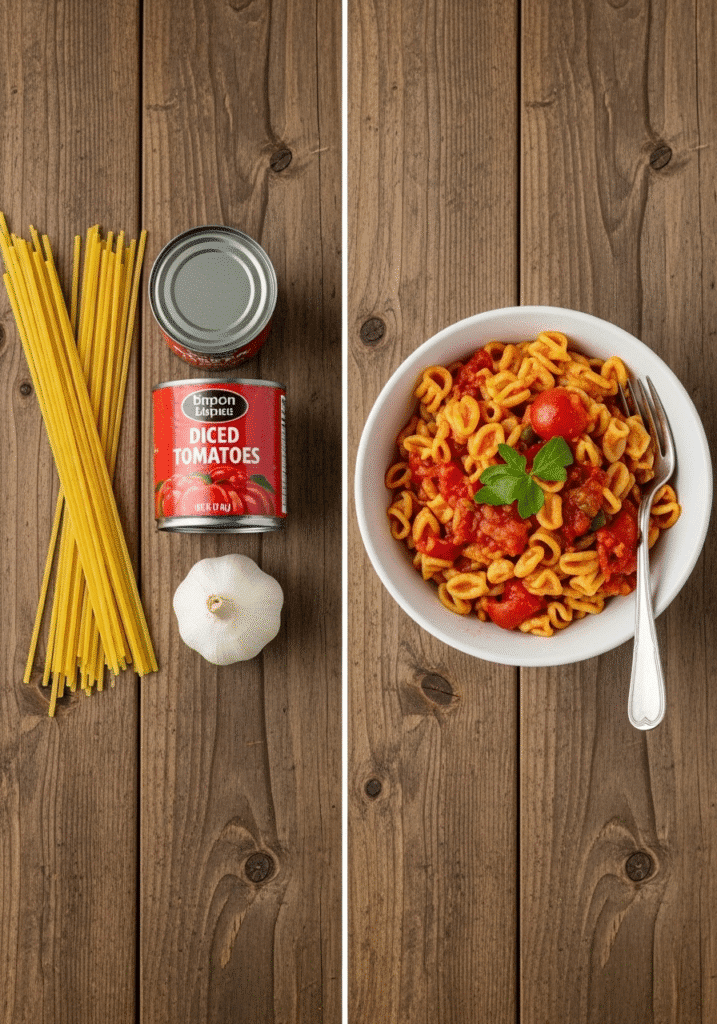
Here’s how these ingredients work together. Say you have pasta, canned tomatoes, garlic, olive oil, and red pepper flakes. That’s aglio e olio – a classic Italian pasta dish.
Or take rice, canned beans, onion powder, cumin, and chili powder. Cook the rice. Heat the beans with the spices. You’ve got a filling meal in 20 minutes.
Quinoa plus canned salmon plus lemon juice plus olive oil makes a protein-packed salad.
The magic happens when you stop thinking about individual ingredients. Start thinking about combinations.
Shopping Strategy
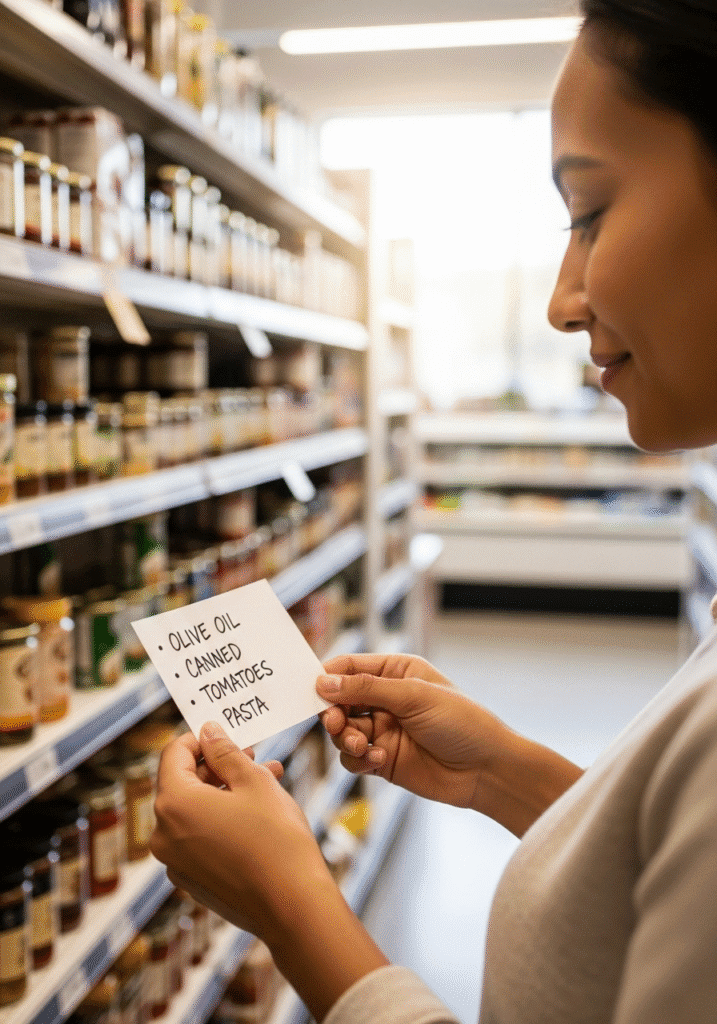
Don’t buy everything at once. Your wallet will hurt and you’ll feel overwhelmed. Instead, pick up 2-3 pantry items each shopping trip.
Start with the oils and vinegars. Then add some canned tomatoes and beans. Next trip, grab pasta and rice. Build slowly.
Check dates when you buy canned goods. They last for years but fresher is always better.
Store everything properly. Keep oils away from heat and light. Store grains and pasta in airtight containers to avoid bugs.
Common Mistakes to Avoid
Don’t buy ingredients for specific recipes unless you cook those recipes regularly. Stick to versatile basics.
Don’t buy huge quantities just because something’s on sale. Unless you cook every day, you probably don’t need 10 cans of anything.
Don’t ignore your pantry items. Use them regularly and replace them when they run out. A pantry only works if you actually cook from it.
Don’t get fancy too fast. Master the basics first. Then add special ingredients as you find recipes you love.
Making It Sustainable
The best pantry is one you actually use. Start with ingredients you already know you like. If you hate spicy food, skip the chili powder for now. If you don’t eat meat, focus on beans and grains.
Cook from your pantry at least once a week. This keeps things fresh and helps you learn what you really use.
Keep a list of what you have. Check it before you shop so you don’t buy duplicates.
Remember that pantry cooking doesn’t have to be gourmet. Simple food made with good ingredients tastes better than complicated food made poorly.
Your Next Steps
Pick three things from this list that you don’t currently have. Buy them on your next grocery trip. Then find one simple recipe that uses those ingredients.
The goal isn’t to fill your pantry overnight. It’s to slowly build a collection of ingredients that work together. Once you have the basics, you’ll wonder how you ever cooked without them.
A good pantry gives you confidence in the kitchen. It means you can always make something good, even when the fridge looks empty. And that’s a skill worth having.