
“How to Fix Overly Salty Soup”
“How to Fix Overly Salty Soup”
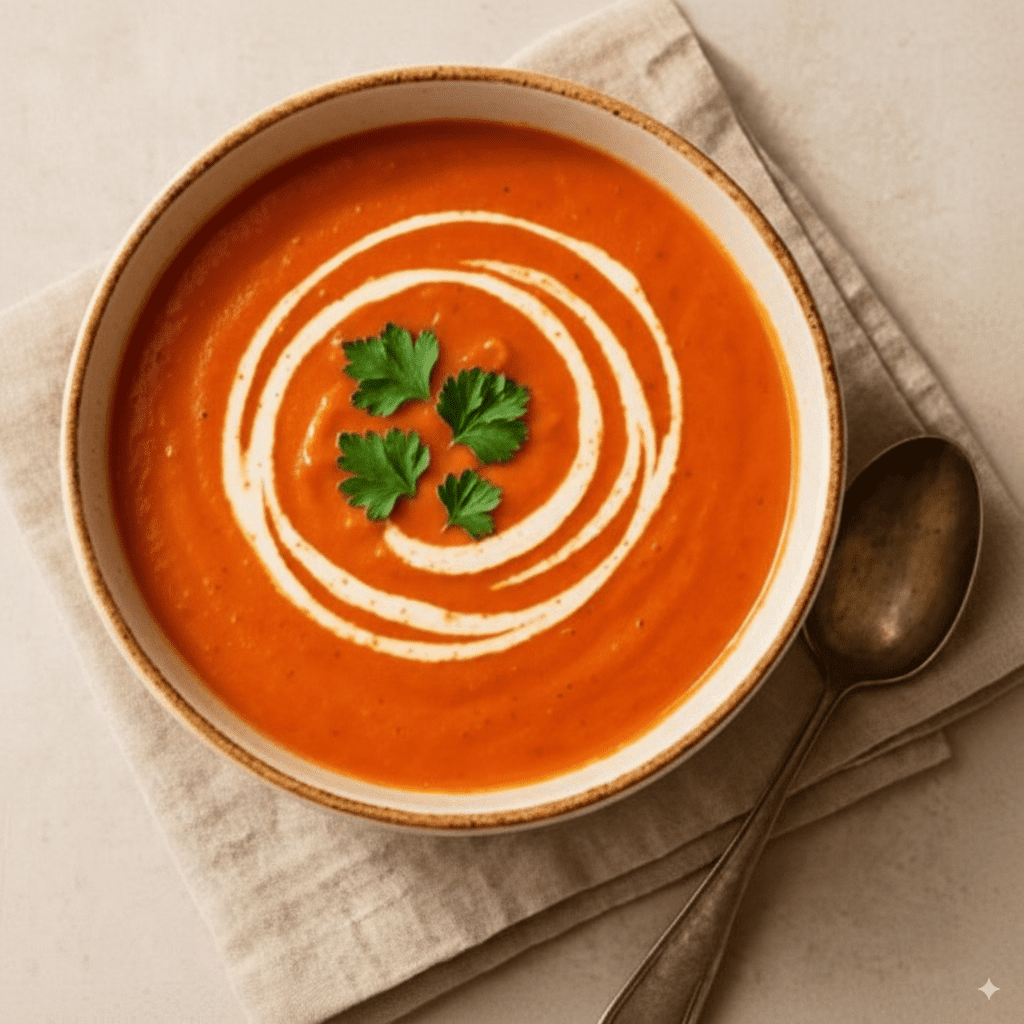
It happens to everyone. You lean over the pot, take a taste of the soup you’ve been simmering, and your heart sinks. It’s way too salty.
Your first thought might be to throw it all out and start over. But please, don’t. This is a very common cooking mistake, and in most cases, you can absolutely rescue your dinner.
Why Does This Happen?
Soup can get too salty for a few reasons. Sometimes an ingredient like broth or a canned product is saltier than you expected. Other times, the salt was just a little heavy-handed. And as a soup simmers, the water evaporates, which makes the salty flavor more concentrated. But no matter the reason, the fix is usually pretty simple.
Rescue #1: The Dilution Method (The Obvious Fix)
The simplest and most direct way to fix salty soup is to add more liquid. You are just trying to dilute the salt to a level that tastes good.
- Add more unsalted liquid. The key here is “unsalted.” Add more of the soup’s main liquid, like a cup of low-sodium broth or water.
- Stir it in and bring it back to a simmer.
- Taste it again.
This will often solve the problem right away. But be careful. If you add too much water, you can also dilute the other flavors, which might make your soup taste watery and bland. If that happens, you may need to add a little more of your other seasonings (like herbs or pepper) to bring the flavor back up.
Rescue #2: The Potato Trick (The Classic Rescue)
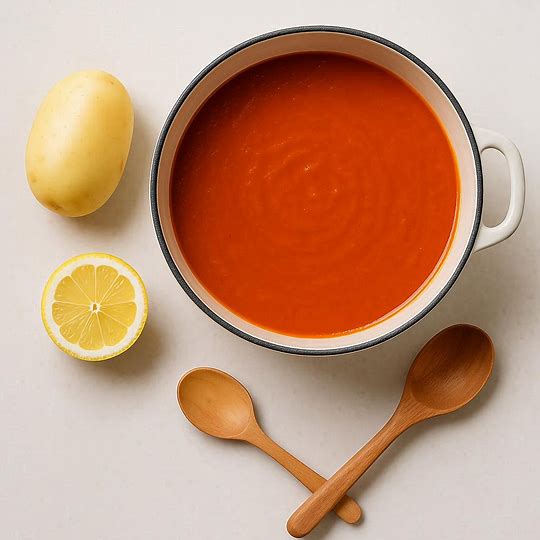
This is the classic kitchen tip you might have heard about from a grandmother. And it actually works. The rescue is to add a raw potato.
- Peel one raw potato. Any kind will do.
- Add the whole potato to your pot of simmering soup.
- Let it simmer for about 15-20 minutes.
- Remove and discard the potato before you serve the soup.
Here’s how it works: The potato won’t magically pull pure salt out of the water. But as it cooks, the starch in the potato absorbs some of the salty liquid. So, when you remove the potato, you are also removing some of the salt that it soaked up. It’s a simple and effective trick, especially if your soup is just a little too salty. You can also use other starchy things like pasta or rice to do the same job.
Rescue #3: The Balancing Act (The Flavor Fix)
Sometimes the best fix is to trick your taste buds. You can balance out the salty taste by adding other flavors.
- Add a little Acid. A bright splash of acid is a secret weapon against saltiness. The sour flavor helps to mask and balance the salt. A generous squeeze of fresh lemon juice or a teaspoon of apple cider vinegar stirred in at the very end can rescue a soup that feels overwhelmingly salty.
- Add a little Sweetness. A tiny pinch of sugar can also help. Sweetness fights with saltiness on your tongue. Don’t add enough to make the soup sweet. Just a small pinch of white or brown sugar can be enough to take the edge off the salt.
- Add some Creaminess. Fat is also great at balancing salt. If it makes sense for your soup, a splash of heavy cream, full-fat coconut milk, or even a dollop of sour cream or Greek yogurt can mellow out the flavor and make it taste less salty.
Your Action Plan
The next time you over-salt your soup, don’t panic. Just choose your rescue.
- If it’s a little too salty, try the potato trick first.
- If it’s way too salty, start by diluting it with more broth.
- If it tastes salty and a little flat, a squeeze of lemon juice is your best friend.
Cooking is all about learning to adjust. And now you have the tools you need to rescue your soup and serve it with confidence.
How to Fix Overly Salty Soup
Ingredients
If it’s a little too salty, try the potato trick first.
If it’s way too salty, start by diluting it with more broth.
If it tastes salty and a little flat, a squeeze of lemon juice is your best friend.
Instructions
Method 1: The Dilution Fix (For Very Salty Soup)
If your soup is extremely salty, the best place to start is by adding more unsalted liquid.
Stir in 1 cup of low-sodium broth or water. Bring the soup back to a gentle simmer.
Taste the soup. If it’s still too salty, add another cup of liquid. You may need to add a few more herbs or pepper to boost the other flavors.
Method 2: The Potato Trick (For Mildly Salty Soup)
If your soup is just a little too salty, this is a great, classic fix.
Add the whole, peeled raw potato directly into the pot of simmering soup.
Let it simmer gently for 15-20 minutes. The starchy potato will absorb some of the salty liquid.
Before you serve the soup, make sure to remove and discard the potato.
Method 3: The Balancing Act (The Flavor Fix)
If your soup’s flavor just feels a little “off” or harsh, you can balance the saltiness.
Add Acid: Stir in a squeeze of fresh lemon juice or a teaspoon of vinegar. This will instantly brighten the flavor and make it taste less salty.
Add Creaminess: If it makes sense for your soup, a splash of heavy cream or coconut milk can mellow out the salty flavor beautifully.
Add Sweetness: A tiny pinch of sugar can also help to counteract the salt.
Notes
Notes
- Taste As You Go: This is the most important rule of any rescue! After each addition, stir well and taste the soup to see if it needs more.
- Prevention is Key: To prevent this problem in the future, always use low-sodium broth and add your own salt in small pinches at the very end, tasting as you go.
Kitchen Rescue Tips!
- The Problem: “I diluted my soup, and now it’s watery and bland!”
- The Quick Fix: You’ve successfully lowered the salt, but you’ve also diluted the other flavors. The rescue is to add back some flavor without adding salt. Stir in some more salt-free seasonings like black pepper, dried herbs (like thyme or oregano), or a pinch of smoked paprika.
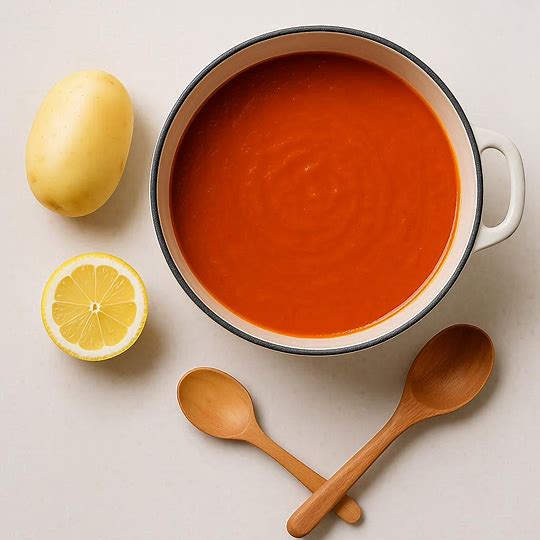
We’ve all been there—you taste the soup and your heart sinks. It’s way too salty! Don’t worry, don’t throw it out. We can fix this.”