Cooking Basics 101: Your Simple Start Guide
Learning to cook doesn’t have to be scary. You don’t need fancy equipment or years of training. This guide shows you the basics that actually matter.
What You Really Need (Skip the Fancy Stuff)
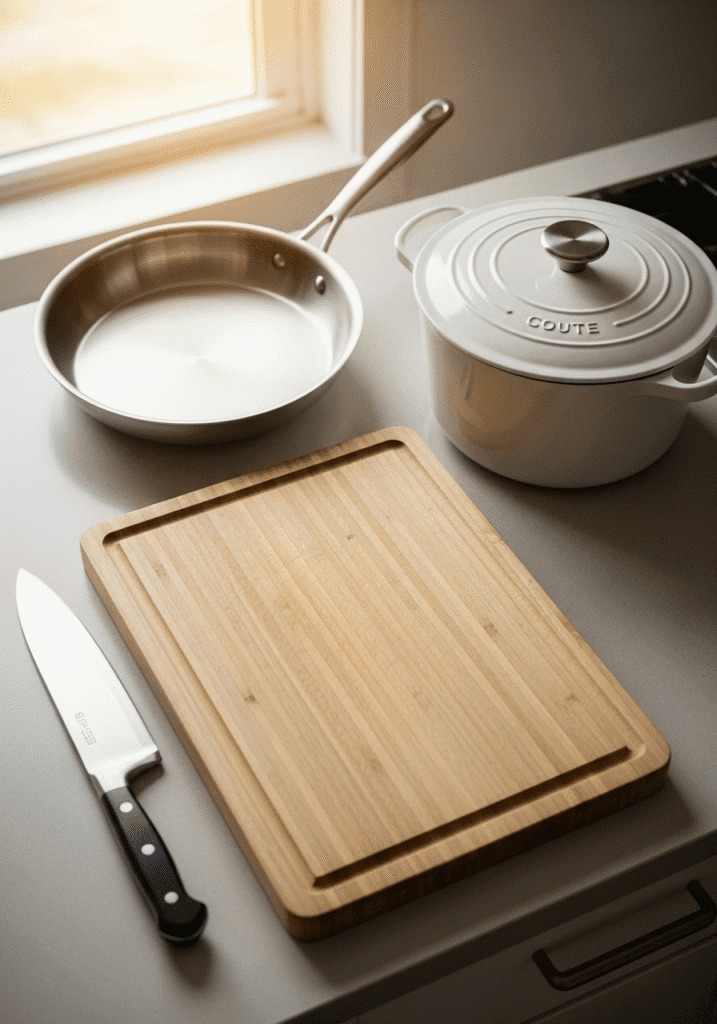
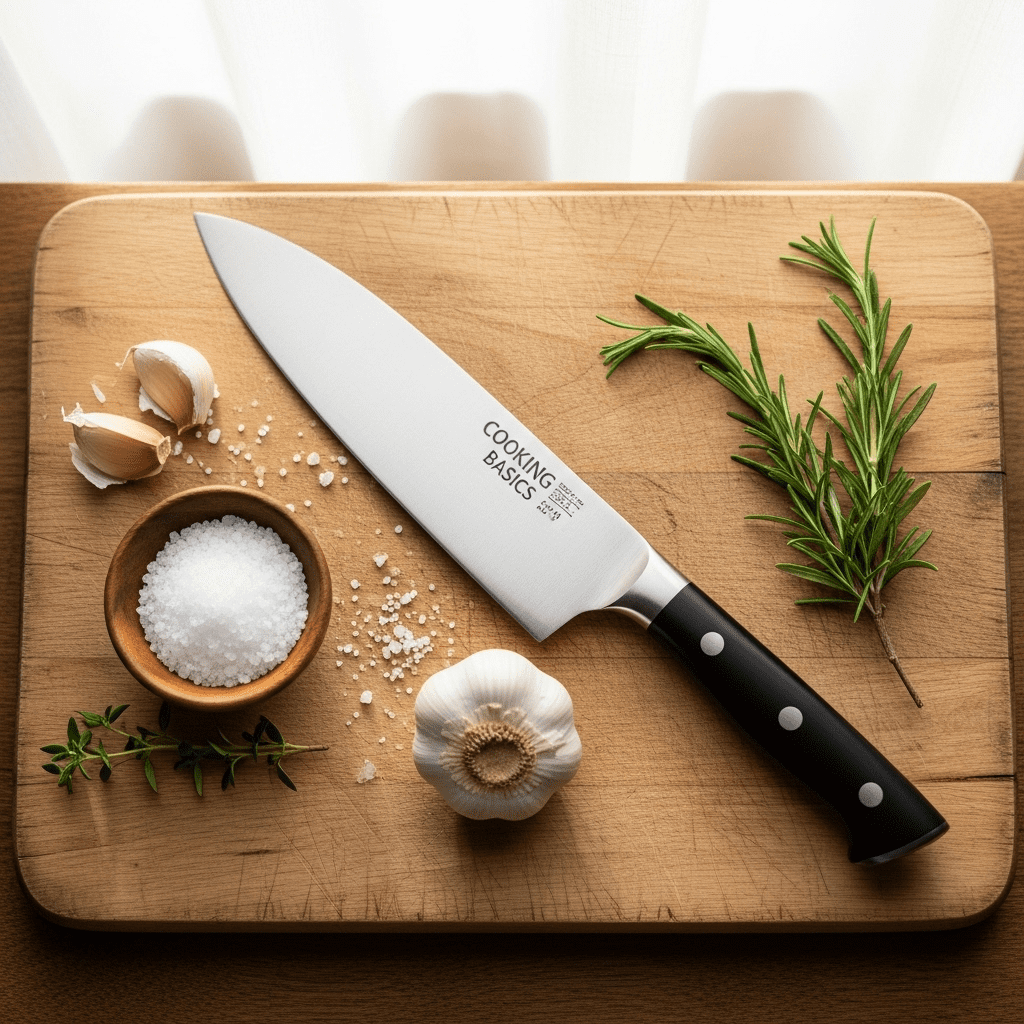
Most people think they need tons of kitchen gadgets. That’s wrong. You can make great food with just four things:
A good knife – Get one 8-inch chef’s knife. Don’t buy a whole set. One good knife does almost everything better than ten cheap ones.
A big cutting board – Wood or plastic, doesn’t matter. Big boards give you room to work safely. Put a wet paper towel under it so it won’t slide around.
A large pan – A 10-inch skillet works for most jobs. Non-stick makes life easier when you’re starting out.
A big pot – For pasta water, soups, and big batches of food. A Dutch oven is perfect if you have one.
That’s it. Seriously. You can cook almost anything with these four tools.
How to Use Your Knife (This Changes Everything)
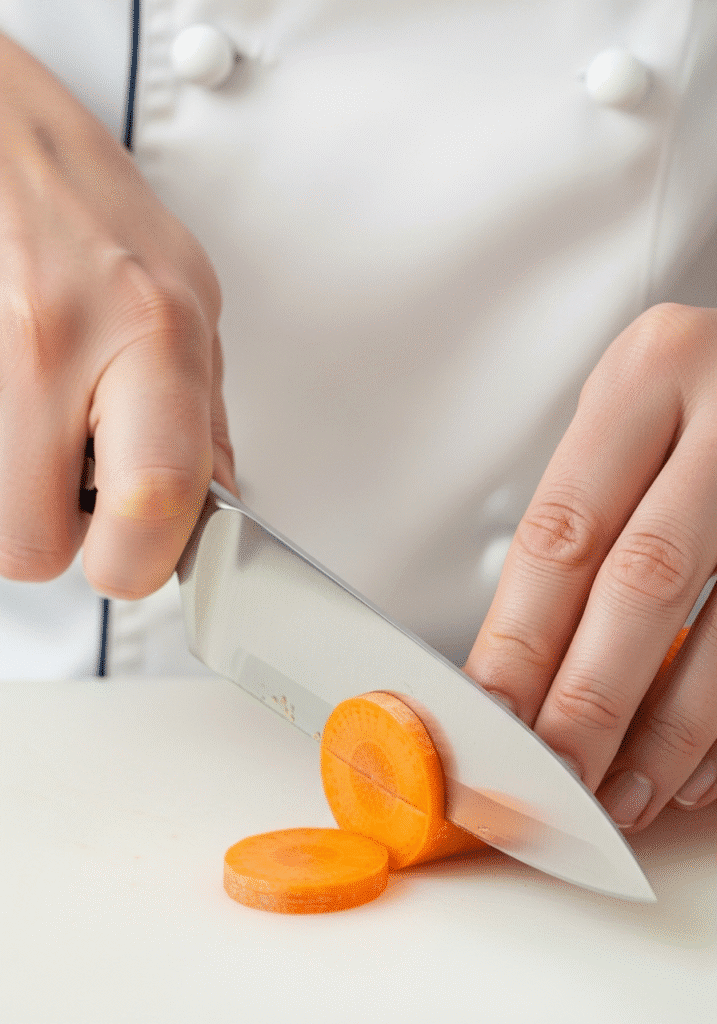
Most people hold knives wrong. Here’s the right way:
The grip – Don’t grab it like a hammer. Put your last three fingers on the handle. Then pinch the blade where it meets the handle with your thumb and first finger. Feels weird at first, but you get total control.
Keeping your fingers safe – Make a claw with your other hand. Curl your fingertips under. Let your knuckles touch the knife blade. This keeps your fingers away from the sharp edge.
Three cuts you need to know:
- Slice: Flat pieces, like cutting a tomato
- Dice: Small cubes, like chopping an onion
- Mince: Tiny pieces, like garlic
Practice these three and you’re set.
Heat Control (Where Most People Mess Up)
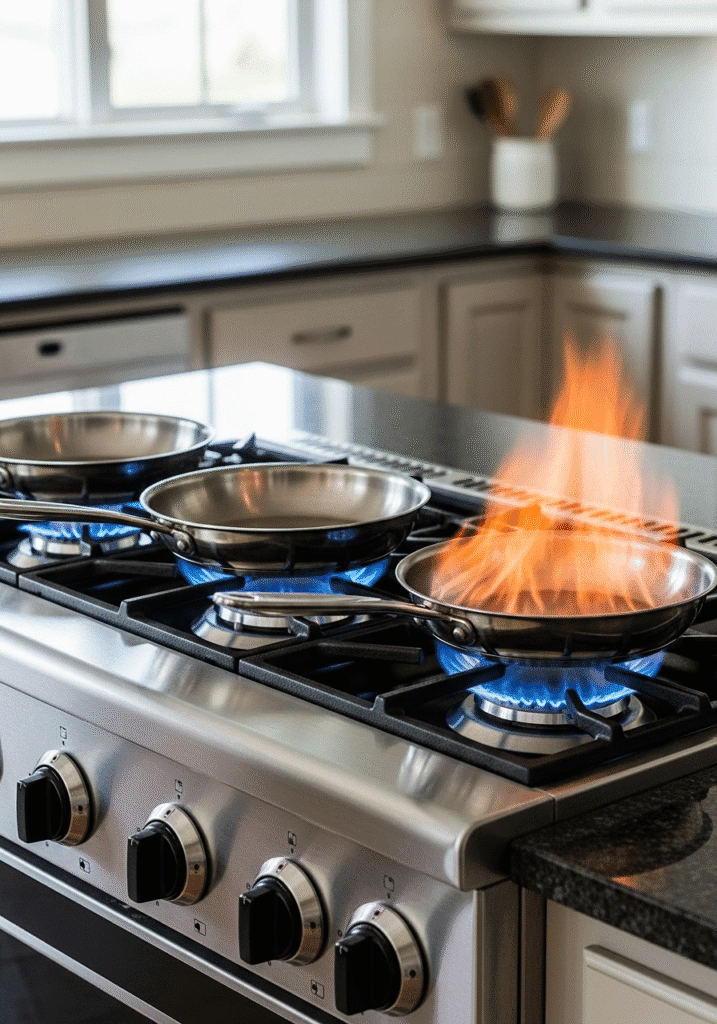
Wrong heat ruins more meals than anything else. Your stove has three speeds that matter:
Low heat – For gentle stuff. Melting butter. Cooking onions until they’re sweet. Keeping sauce warm.
Medium heat – Your main setting. Most cooking happens here. It’s hot enough to cook food but slow enough that you won’t burn things.
High heat – Only for specific jobs. Boiling water. Getting a good sear on meat. Quick stir-fries.
Here’s the big tip: Always heat your empty pan first. Wait a minute or two, then add oil. Food won’t stick as much.
Making Food Taste Good (The Real Secret)
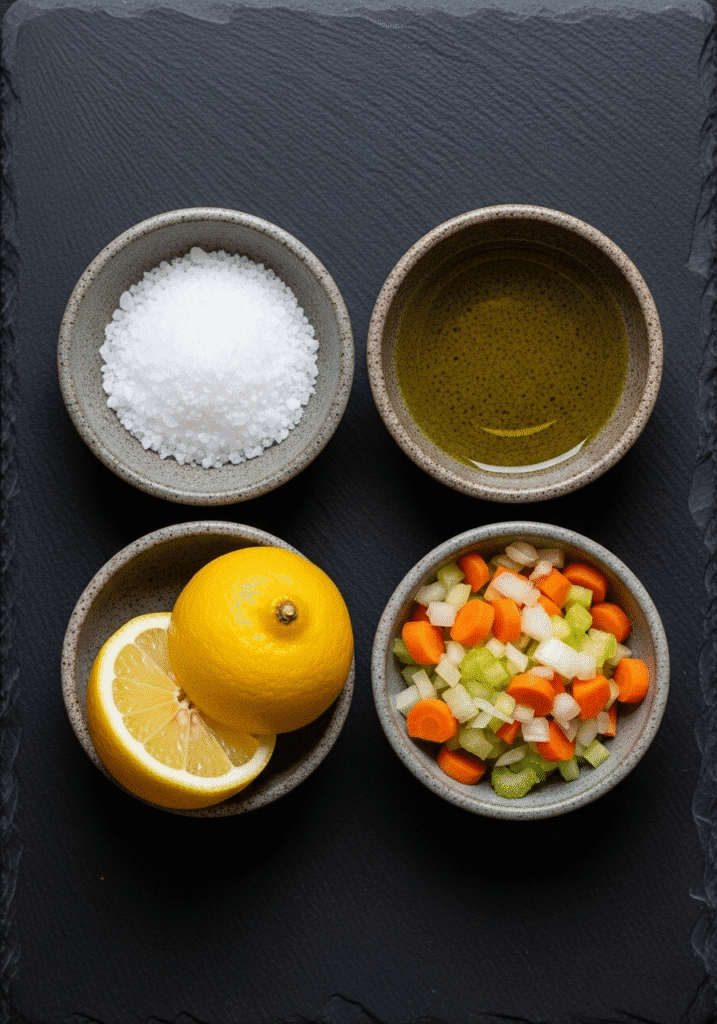
Bland food usually means something’s missing. Good food needs these four things:
Salt – It doesn’t just make things salty. It makes flavors stronger. Add a little salt while you cook, not just at the end. Salt your pasta water. Add a pinch to vegetables as they cook.
Fat – Butter, olive oil, whatever. Fat carries flavor to your mouth. It makes food feel rich and satisfying.
Acid – This is the magic ingredient most people forget. A squeeze of lemon juice or splash of vinegar makes everything taste brighter. If your food tastes flat, it probably needs acid.
Aromatics – Fancy word for flavor base. Usually means cooking onions, carrots, and celery in oil at the start of a recipe. This creates deep flavor for soups and sauces.
The Right Mindset
Read first – Look at the whole recipe before you start. No surprises halfway through.
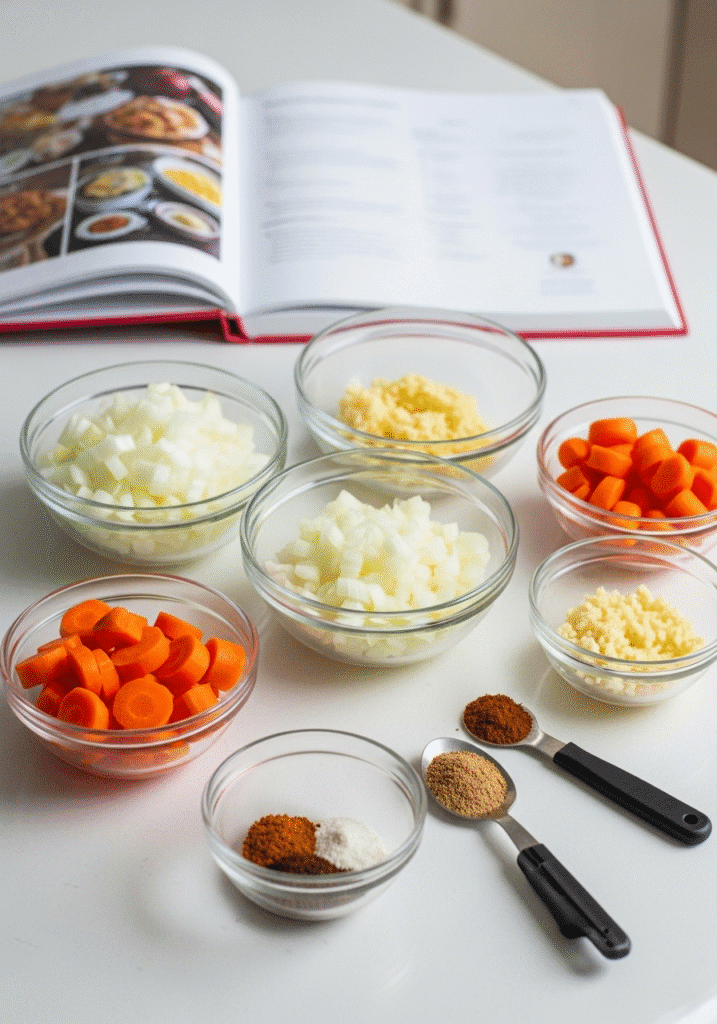
Prep everything – Chop all your vegetables. Measure your spices. Put them in little bowls. Makes cooking way less stressful.
Taste as you go – You’re the cook. Use a clean spoon and taste your food while you make it. How else will you know if it needs more salt?
Mistakes happen – Overcooked vegetables? Make soup. Dry chicken? Shred it for sandwiches. Most “failures” are just new recipes you haven’t tried yet.
Getting Started
Pick one simple recipe and try it. Maybe scrambled eggs or pasta with butter and cheese. Focus on the basics in this guide. Don’t worry about being perfect.
Cooking is about feeding yourself and people you care about. Start small, taste often, and remember that even professional cooks mess up sometimes. You’ll get better every time you cook.
The “Kitchen Rescue” Mindset
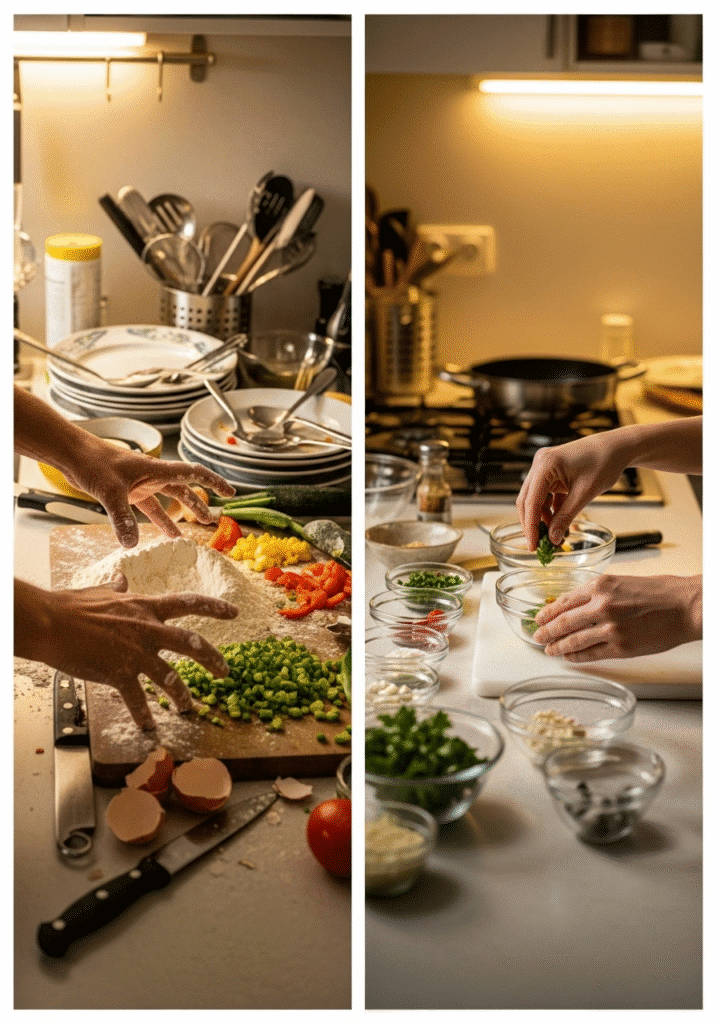
The most important part of learning to cook is changing how you think about it.
- It’s Okay to Make Mistakes. Everyone burns things. Everyone over-salts the soup sometimes. It is not a failure. It’s just a chance to learn.
- Taste, Taste, Taste. This is the number one rule. How do you know if your pasta needs more salt? You have to taste it. How do you know if your sauce needs a little lemon juice? You have to taste it. Taste your food at every step of the process.
- A Mistake Can Be a New Dish. Did you overcook your vegetables until they are mushy? Don’t throw them out! You didn’t make a mistake; you just made the first step of a delicious creamy soup. A kitchen disaster is often just an opportunity to get creative.
Cooking is a practice. It’s a journey. You don’t have to be perfect. You just have to be willing to try.
What is the one cooking basic you’ve always wanted to get right? I would love to hear about it in the comments.