
Silicone Lids Dishwasher Safe: Ditch the Plastic Wrap Forever
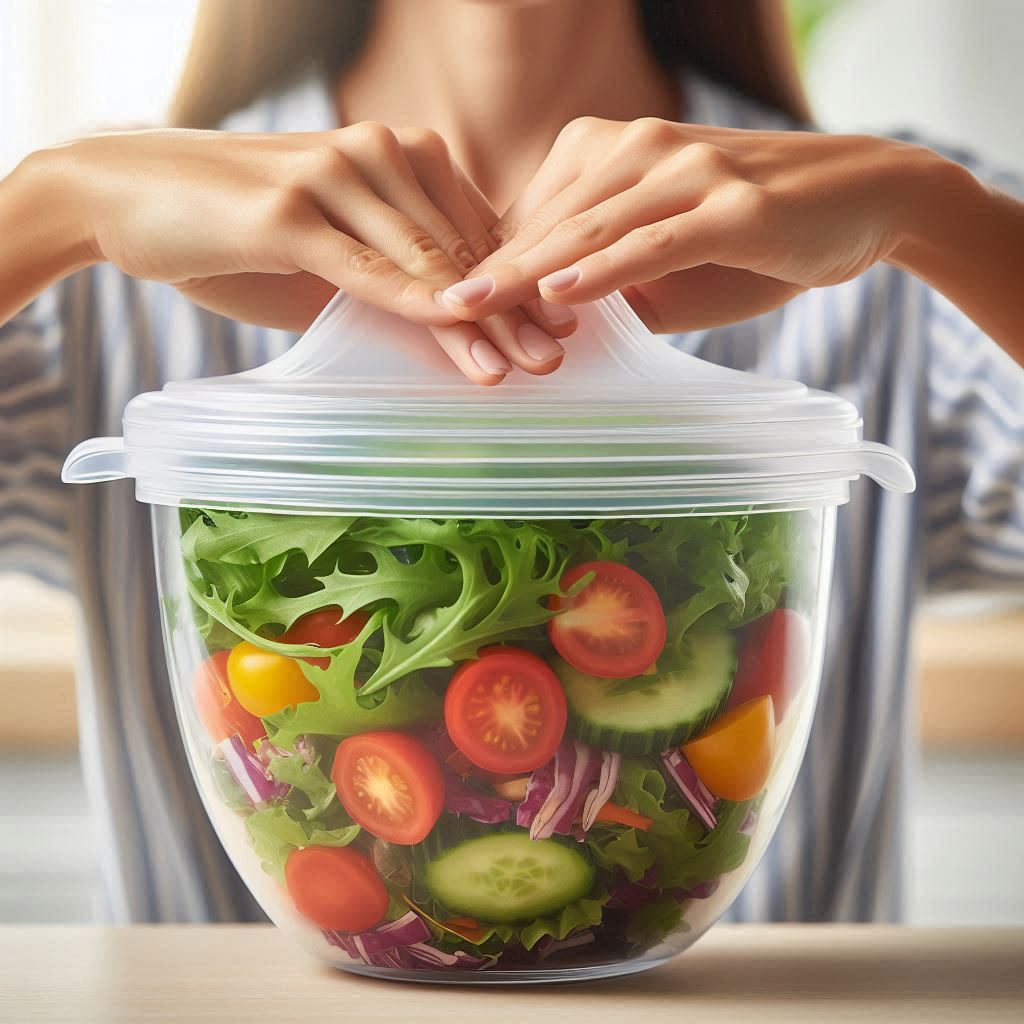
You’re wrapping leftovers and the plastic wrap sticks to itself, rips, and wastes half the roll. Then you realize you’re out and need to run to the store. Silicone lids dishwasher safe models eliminate this frustration completely.
Why Silicone Lids Beat Traditional Covers
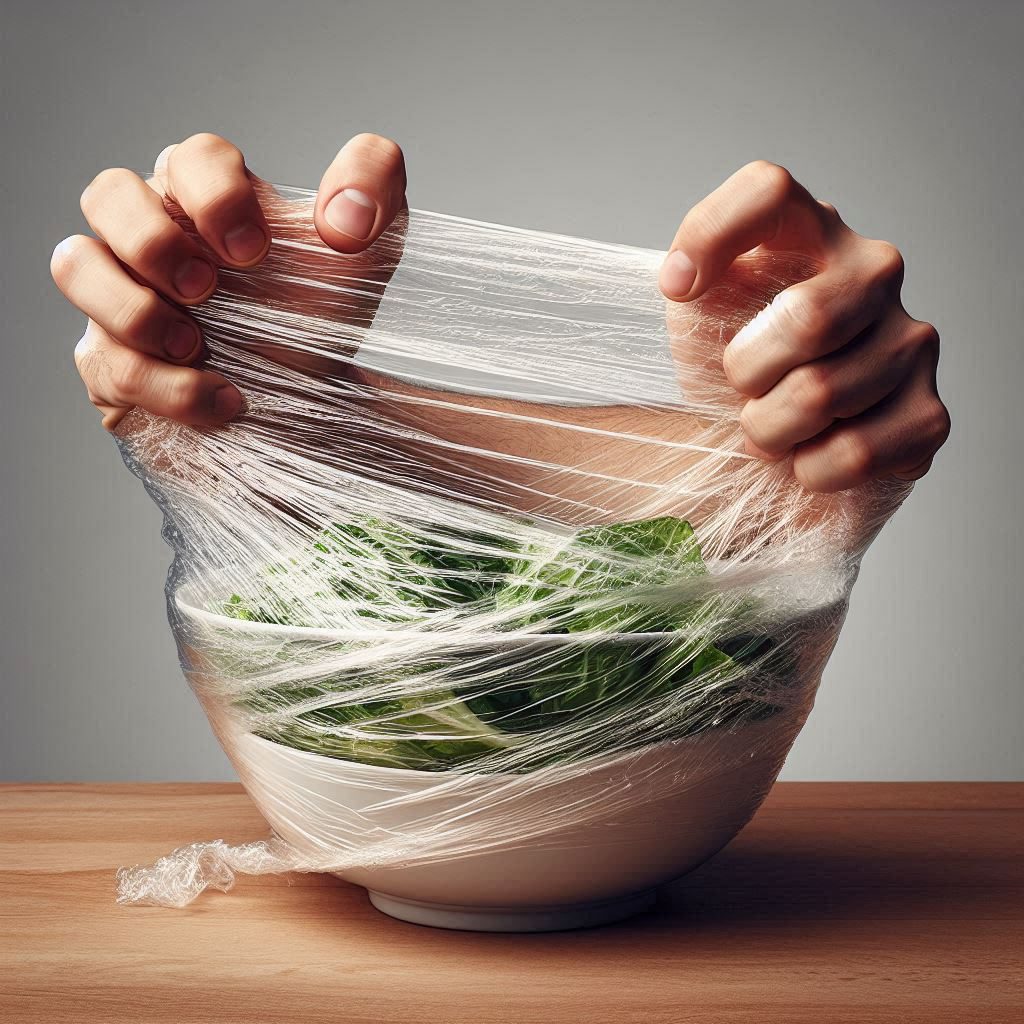
Plastic wrap tears, foil wastes money, and traditional lids never fit quite right. You end up with a cabinet full of mismatched containers and covers that don’t seal properly.
But silicone stretch lids adapt to fit multiple bowl and container sizes. One set replaces dozens of rolls of plastic wrap and saves you money within months.
And the dishwasher safe feature means cleanup is effortless. Just toss them in with your regular dishes instead of hand-washing delicate plastic covers.
What Makes Quality Silicone Lids
Food-Grade Silicone Material
Not all silicone is created equal. Food-grade silicone doesn’t contain fillers or harmful chemicals that leach into your food.
Look for BPA-free, FDA-approved silicone. Quality lids don’t have a strong rubber smell when you open the package.
Cheap silicone feels thin and flimsy. Good silicone has substance and springs back immediately when you stretch it.
True Dishwasher Safe Construction
Some silicone lids claim to be dishwasher safe but deteriorate after a few cycles. Quality lids handle high heat without warping or losing elasticity.
They should survive both the washing cycle and the heated drying cycle. If a lid comes out misshapen or stiff, it’s not truly dishwasher safe.
Look for lids rated for temperatures up to 400-450°F. This ensures dishwasher heat won’t damage them over time.
Proper Stretch and Seal
The lid needs to stretch enough to fit over container rims but still create an airtight seal. Too stiff and it won’t fit. Too loose and it won’t seal.
Quality silicone maintains its elasticity through hundreds of uses. Cheap versions lose their stretch after a few months and stop sealing properly.
Test the seal by turning a covered container upside down. Nothing should leak if the seal is working correctly.
Multiple Size Options
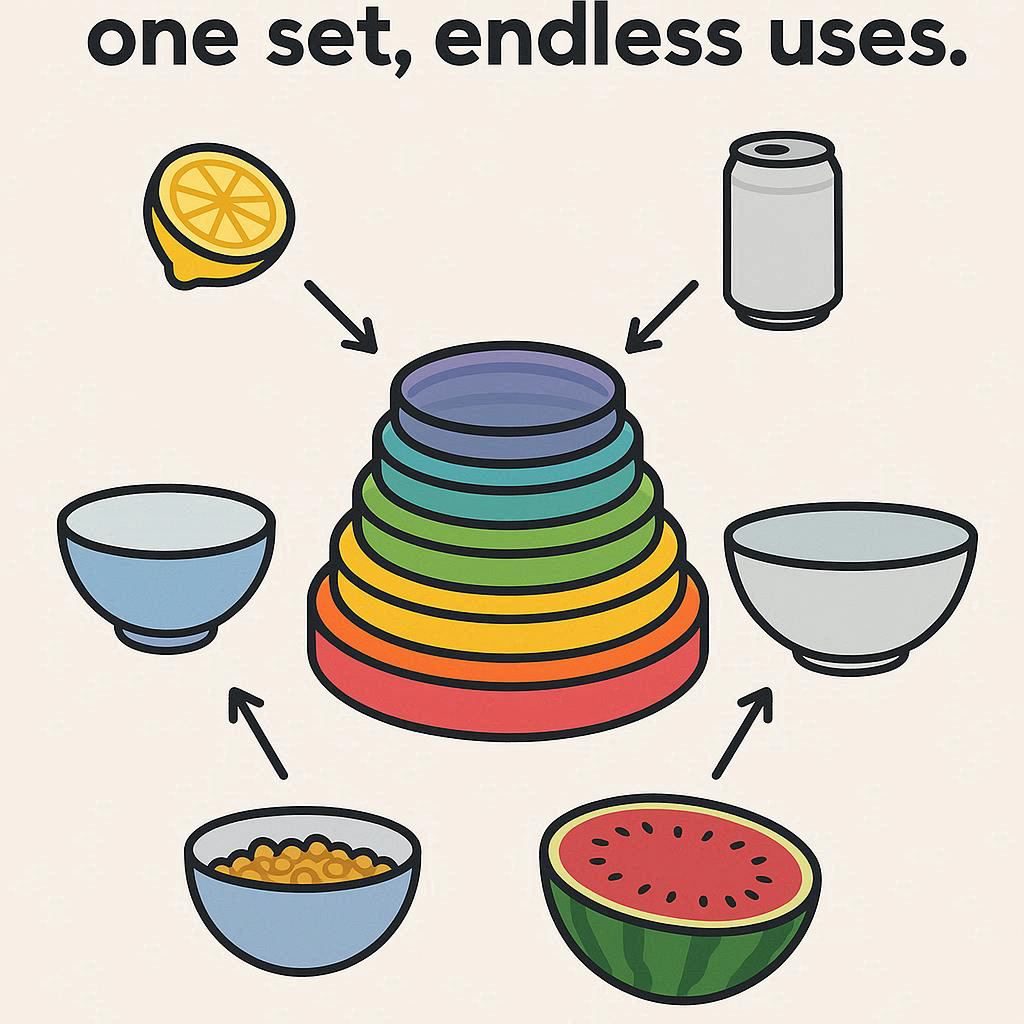
A good set includes 6-8 lids in graduated sizes. This ensures you have the right fit for small bowls up to large mixing bowls.
Common size ranges go from 2.5 inches to 12 inches in diameter. That covers everything from half a lemon to a watermelon.
Different Types of Silicone Lids
Stretch Lids with Tabs
These have small tabs or handles around the edge. The tabs make stretching and removal easier, especially when lids are wet or greasy.
They’re slightly more expensive but worth it if you have arthritis or weak grip strength. The tabs provide leverage without fighting with slippery silicone.
Flat Suction Lids
Completely flat lids that create suction when pressed onto smooth surfaces. They work great for glass or ceramic bowls with flat rims.
These take up minimal storage space since they stack completely flat. But they don’t work as well on containers with textured or irregular rims.
Bowl-Shaped Lids
Lids with a slight dome shape that fit over bowls rather than stretching over rims. These protect food better from getting crushed.
The dome shape also allows for stacking containers in the fridge without squishing delicate foods like salads or baked goods.
Universal Fit Lids
Super-stretchy lids designed to fit a huge range of sizes. One lid might fit containers from 4-8 inches in diameter.
These are convenient but may not seal as tightly as lids sized more precisely to your containers. Good for everyday use, less ideal for long-term storage.
How to Use Silicone Lids Effectively
Achieving a Proper Seal
Make sure the container rim is clean and dry. Moisture or food residue prevents a good seal.
Center the lid over the container and stretch it evenly around all sides. Don’t pull just one side or the seal will be uneven.
Press down firmly on the lid center after stretching. This creates the suction that keeps it sealed tight.
Using in the Microwave
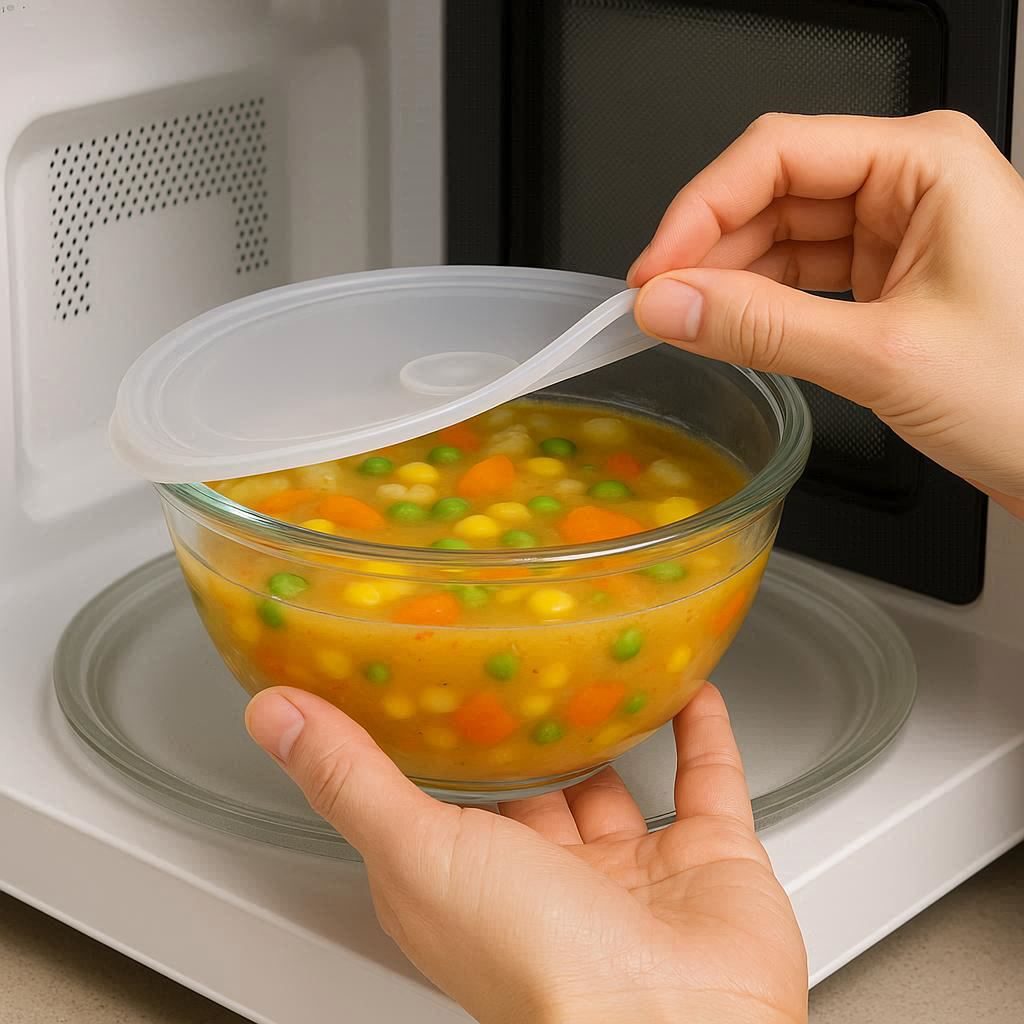
Most silicone lids dishwasher safe models also work in the microwave. But leave one edge slightly lifted to let steam escape.
The lid prevents splatters while allowing pressure release. Never seal a lid completely tight when microwaving or pressure builds dangerously.
Freezer Storage
Silicone lids handle freezer temperatures perfectly. They don’t crack or become brittle like plastic lids do.
Label containers with a dry-erase marker on the silicone lid. The writing wipes off easily when you wash the lid later.
Covering Odd-Shaped Items
Silicone stretches over cut fruits like watermelon halves or avocados. Just press the lid directly onto the cut surface.
For cans, stretch a small lid over the open top. This lets you store partial cans in the fridge without transferring contents.
Cleaning and Maintenance
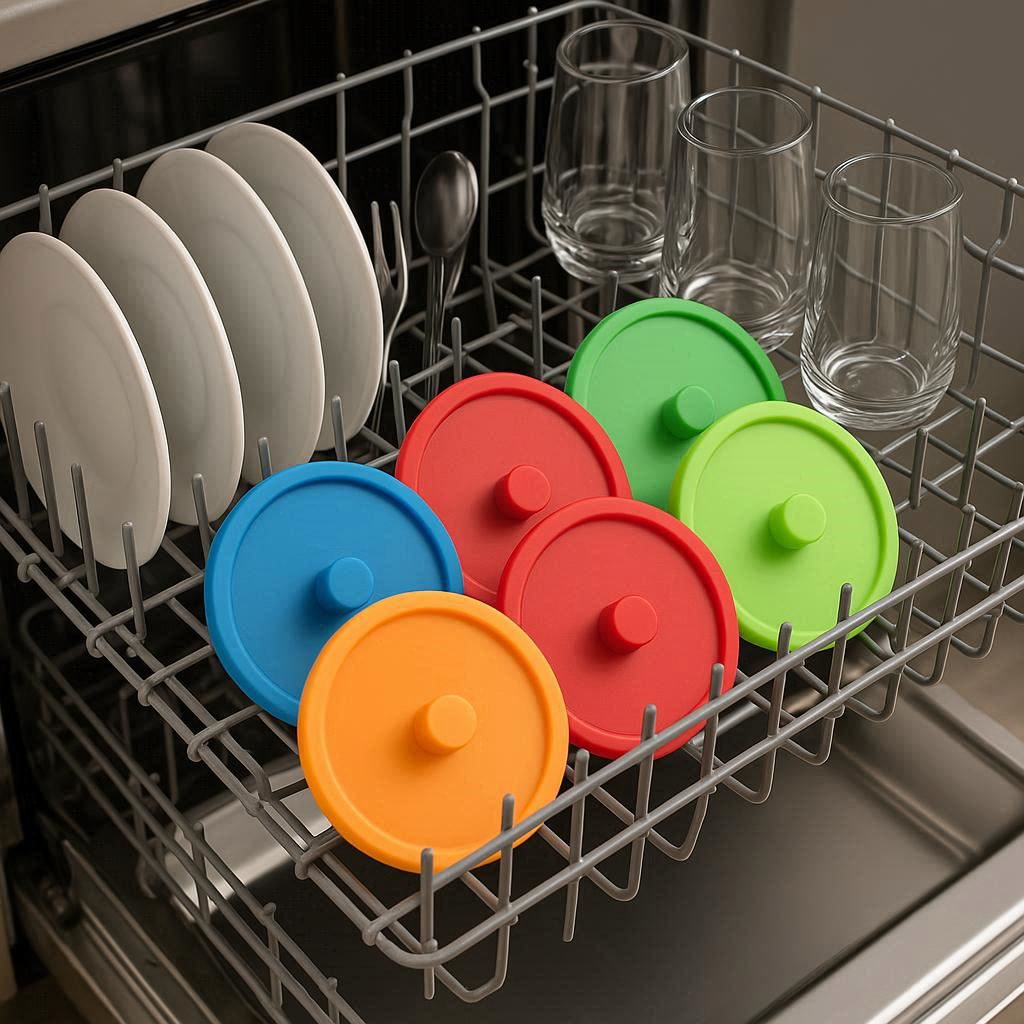
Dishwasher Cleaning
Place silicone lids dishwasher safe models on the top rack. Bottom rack temperatures are higher and can shorten lid lifespan.
They can touch other dishes without problem. Silicone won’t scratch anything and other items won’t damage the lids.
Run your normal wash cycle. No special settings needed. The lids come out clean and ready to use immediately.
Hand Washing When Needed
Sometimes hand washing is faster, especially if you only used one lid. Hot soapy water and a soft sponge work perfectly.
Rinse thoroughly to remove all soap residue. Soap film affects the seal and can transfer flavors to food.
Removing Odors
Silicone can absorb strong food odors like garlic or onion. Soak smelly lids in a solution of baking soda and water for 30 minutes.
Or wash with a mixture of lemon juice and dish soap. Both methods neutralize odors without damaging the silicone.
Storing Properly
Stack lids by size with the largest on bottom. This takes up minimal drawer or cabinet space.
Make sure they’re completely dry before storing. Trapped moisture between stacked lids creates mildew smell.
Some people hang them on hooks or use a plate rack. Whatever works for your kitchen organization system.
Common Issues and Solutions
Lids Losing Elasticity
This happens with cheap silicone or if lids are exposed to excessive heat. Always check the temperature rating before buying.
If lids start feeling stiff, they’ve reached the end of their useful life. Time to replace them rather than fight with lids that don’t seal.
Not Sealing on Certain Containers
Textured rims, chips, or irregular shapes prevent good seals. Silicone lids work best on smooth, even rims.
Try a slightly larger lid if the right size won’t seal. The extra stretch sometimes creates a better grip on difficult containers.
Lids Popping Off
Too much air trapped under the lid creates pressure. Press the center firmly while sealing to force out excess air.
Or the lid might be too small for the container. Use the next size up for a more secure fit.
Staining from Foods
Tomato sauce and curry can stain silicone. While it doesn’t affect function, stains look unappealing.
Soak stained lids in a paste of baking soda and water. Let it sit for an hour, then wash normally. Most stains fade significantly.
Silicone Lids Dishwasher Safe: Pros and Cons
The Benefits
Eco-Friendly – Replace hundreds of feet of plastic wrap per year. Less waste, better for the environment.
Money-Saving – One set costs $15-25 and lasts years. That’s way cheaper than buying plastic wrap monthly.
Effortless Cleaning – Toss in the dishwasher and forget about them. No hand-washing delicate items.
Versatile Sizing – One lid fits multiple container sizes. No more hunting for the matching lid.
Microwave and Freezer Safe – Use them in extreme temperatures without worry. They handle everything your food storage needs require.
The Drawbacks
Learning Curve – Takes a few tries to learn the right stretch and seal technique. First attempts might be frustrating.
Not Completely Airtight – They seal well but not as hermetically as vacuum-sealed containers. Not ideal for very long-term storage.
Can Absorb Odors – Strong foods leave smells that require extra cleaning effort to remove completely.
Size Limitations – Even the largest lids only fit bowls up to about 12 inches. Giant serving platters need other solutions.
Initial Cost – Spending $20-25 feels expensive compared to a $3 roll of plastic wrap. But the value appears over time.
Frequently Asked Questions
How long do silicone lids last?
Quality silicone lids dishwasher safe models last 2-4 years with regular use. Cheaper versions might only last 6-12 months before losing elasticity.
Proper care extends lifespan significantly. Always follow temperature guidelines and avoid excessive stretching.
Can I use these in the oven?
Most silicone lids handle oven temperatures up to 400-450°F. But check your specific product’s temperature rating first.
However, they’re meant for covering containers, not as baking lids. Use proper oven-safe lids for cooking applications.
Do these work on square containers?
Yes, but the seal isn’t as reliable as on round containers. Silicone stretches more easily in circular directions.
For square containers, choose a lid slightly larger than the diagonal measurement. This ensures enough material to cover all corners.
Are silicone lids safe for children’s food?
Absolutely, when made from food-grade silicone. They’re safer than plastic wrap since kids can’t suffocate if they play with them.
They’re also easier for kids to use independently. Children as young as 5-6 can stretch them over bowls with supervision.
Can I write on silicone lids?
Yes, dry-erase markers work great for labeling. The writing wipes off completely when you wash the lid.
Permanent marker is harder to remove but rubbing alcohol takes it off. Just avoid sharp tools that might puncture the silicone.
Will these prevent freezer burn?
They reduce freezer burn better than nothing, but not as well as vacuum-sealed bags. For short-term freezing (1-2 months), they work fine.
For longer storage, double-wrap with a silicone lid plus plastic wrap or foil for extra protection.
How do I know if my silicone is food-grade?
Check for FDA approval or food-grade certification on the packaging. Food-grade silicone doesn’t smell strongly of rubber or chemicals.
Reputable brands always advertise their food-safe certification. If the package doesn’t mention it, assume it’s not food-grade.
Can these replace all my container lids?
For daily use, yes. But you’ll still want proper lids for transporting food in bags or cars. Silicone lids aren’t secure enough for bumpy car rides.
They’re perfect for home storage in fridges, freezers, and microwaves. Just not ideal for taking food to parties or potlucks.
Making Your Choice
Consider how much plastic wrap you currently use. If you go through a roll monthly, silicone lids pay for themselves within months.
Check reviews specifically mentioning dishwasher durability. Some brands claim dishwasher safe but users report rapid deterioration.
Look for sets with size variety. Having 6-8 different sizes means you’ll actually use the lids instead of defaulting back to plastic wrap.
Final Thoughts
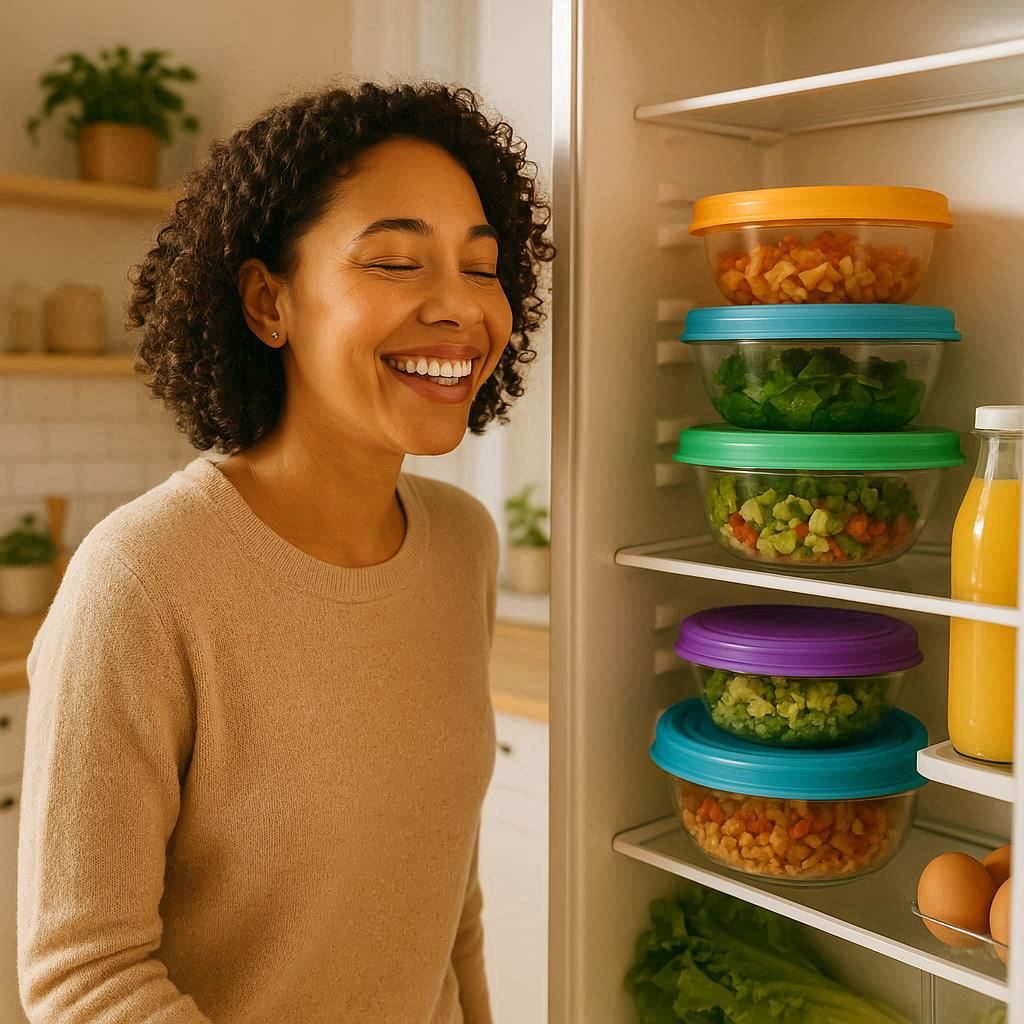
Silicone lids dishwasher safe models aren’t just convenient – they genuinely change how you store food. Less waste, less hassle, and less money spent on disposables.
Now you know what features matter, how to use them effectively, and what to expect from quality sets. So pick a set that fits your container collection and lifestyle.
Ready to stop fighting with plastic wrap and foil forever?
1 thought on “Silicone Lids Dishwasher Safe: Ditch the Plastic Wrap Forever”