Sourcing, Collecting Quality Herbs and Spices
The Ultimate Guide to Sourcing and Collecting Quality Herbs and Spices
Most people think buying spices means grabbing dusty containers from the grocery store shelf. But here’s what professional chefs know: sourcing quality herbs and spices is the difference between bland food and dishes that make people remember your cooking.
You don’t need to spend a fortune or hunt down introduced suppliers. However, you do need to know what to look for and where to find it.
Why Most Store-Bought Spices Disappoint
Walk into any grocery store and you’ll see rows of spice bottles. Most have been sitting there for months, maybe years. The vibrant colors have faded. The oils have evaporated. What’s left barely resembles real spice.
But supermarkets aren’t trying to sell bad spices. The problem is their business model. They buy in huge quantities, store spices in clear containers under bright lights, and hope they sell before losing all potency.
Meanwhile, real spice dealers work completely differently. They buy in smaller batches, store everything properly, and turn inventory over quickly.
So where do you find these better sources? And how do you tell good spices from mediocre ones? Let’s start with the basics.
Identifying Fresh, High-Quality Spices
The Color Test
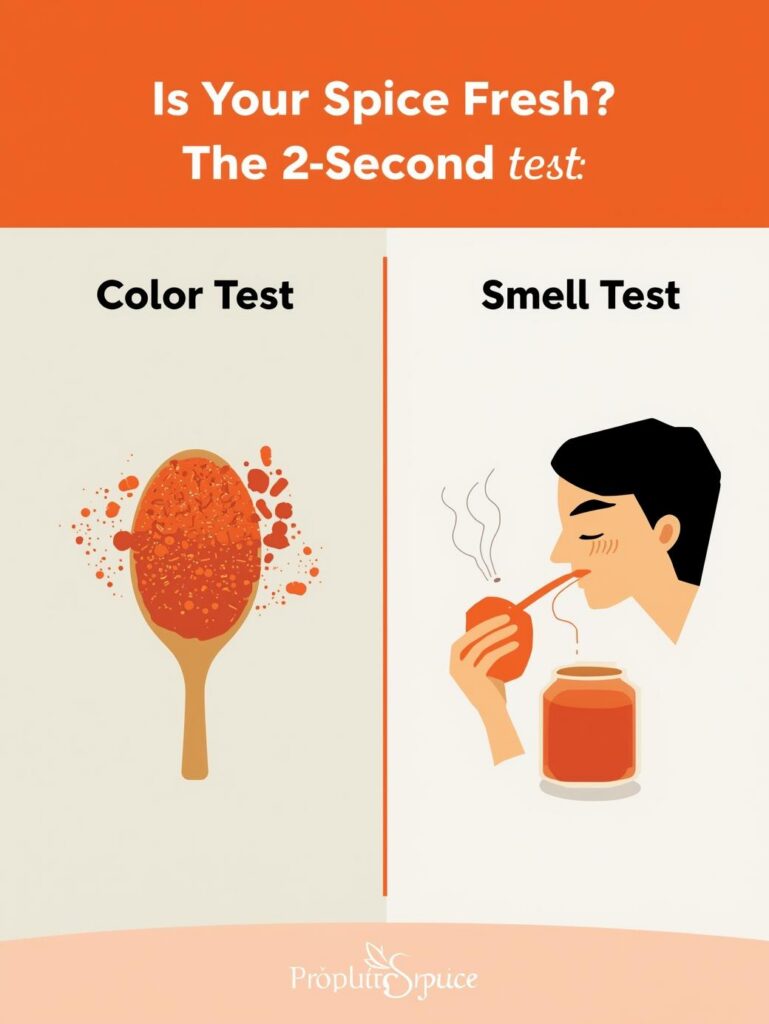
Fresh spices have vibrant, rich colors. Paprika should be deep red, not brick brown. Turmeric should be bright golden yellow, not pale beige. Dried herbs should still show hints of their original green.
If the color looks faded or dull, the spice is old. And old spices have lost most of their flavor compounds.
But color isn’t everything. Some spices naturally fade over time while keeping their potency. That’s where your other senses come in.
The Smell Test
This is your most reliable indicator. Fresh spices smell strong and complex when you open the container. Stale spices smell weak or sometimes don’t smell like anything at all.
Take cinnamon, for example. Fresh ground cinnamon has a sweet, warm, almost spicy aroma that hits you immediately. Old cinnamon smells like sawdust with a hint of sweetness.
Here’s a pro tip: if you have to put your nose right up to the container to smell anything, the spice is probably past its prime.
The Feel Test
Whole spices should feel firm and heavy for their size. Dried herbs should crumble easily but not turn to powder when touched. Ground spices should feel fine and smooth, not clumpy or gritty.
Also, check for moisture. Spices should be completely dry. Any signs of clumping or sticking together suggest moisture problems that lead to mold and spoilage.
The Expiration Date Reality Check
Most spice containers have expiration dates, but they’re more like rough guidelines than hard rules. Whole spices can stay potent for 3-4 years if stored properly. Ground spices typically last 2-3 years. Dried herbs are best used within 1-2 years.
However, these timelines assume proper storage from the moment of processing. Most grocery store spices have already been sitting in warehouses and on shelves for months before you buy them.
That’s why the smell test matters more than the expiration date.
Best Sources for Purchasing Spices
Local Spice Shops and Markets
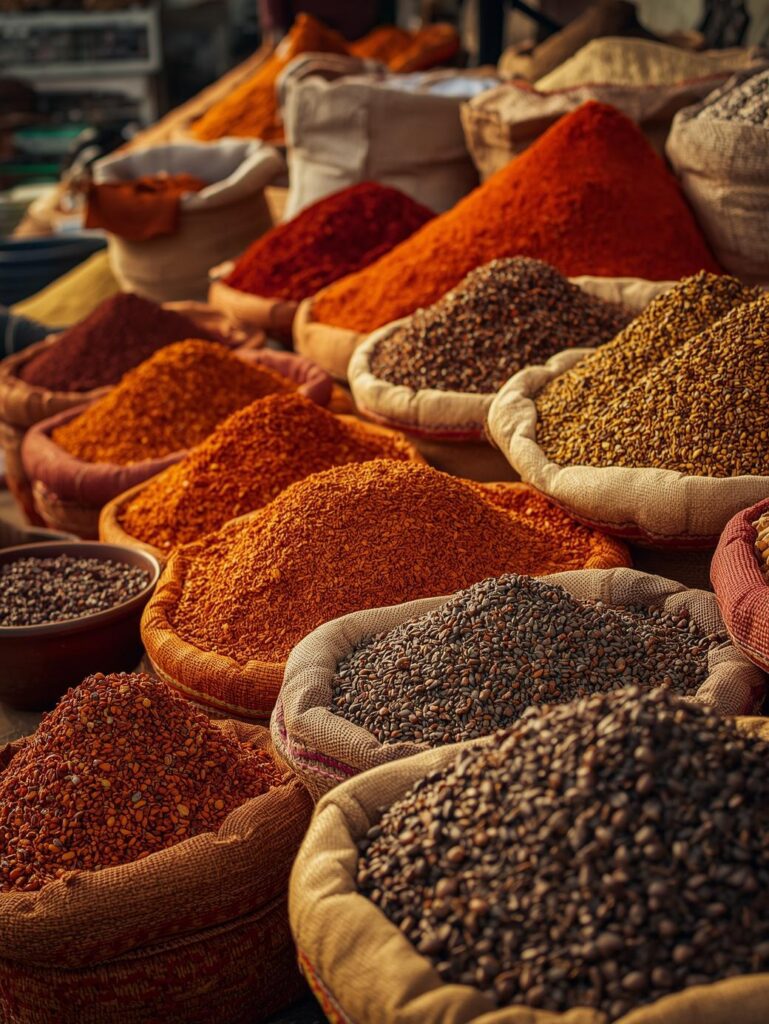
Independent spice shops are usually your best bet for quality and freshness. These businesses live or die by their reputation, so they can’t afford to sell stale products.
Look for shops with high turnover—lots of customers means fresh inventory. Also, pay attention to how they store spices. Good shops keep everything in airtight containers away from light and heat.
Ethnic markets are goldmines for authentic spices. Indian markets have the best turmeric, cumin, and curry spices. Mexican markets excel at chiles and southwestern spices. Middle Eastern markets offer amazing za’atar, sumac, and spice blends.
Plus, ethnic markets usually charge much less than specialty gourmet shops. You get better quality at lower prices.
Online Specialty Retailers
The internet has opened up access to spice dealers who focus on quality over convenience. These companies buy directly from growers, process carefully, and ship quickly.
Look for retailers who provide harvest dates, not just expiration dates. The best companies can tell you exactly when and where each batch was processed.
Also, check their packaging. Quality online retailers use airtight, light-proof containers and ship in insulated packages to prevent heat damage during transit.
Some companies specialize in specific regions or types of spices. For example, some focus exclusively on Mexican chiles or Indian spices. These specialists often have better quality than generalist retailers.
What to Avoid at Big Box Stores
Major grocery chains aren’t always bad, but they have built-in disadvantages. Their spices sit longer, get exposed to more light and heat, and are often processed for shelf life rather than flavor.
The worst offenders are those pre-filled spice racks sold at warehouse stores. These have usually been sitting around for ages and will disappoint you every time.
But if you must buy from a grocery store, shop at ones with high turnover. Whole Foods and similar stores that cater to cooking enthusiasts move spices faster than typical supermarkets.
Farmers Markets and Direct from Growers
For herbs specifically, farmers markets can be excellent sources. You get the freshest possible product and can often talk directly to the grower about varieties and growing methods.
Some farmers also sell dried herbs and spices. These are usually superior to anything you’ll find in stores because they’re processed in small batches with care.
However, not all market vendors are equal. Ask questions about how they dry and store their herbs. Good producers are happy to explain their methods.
Seasonal Herb Gardening Basics
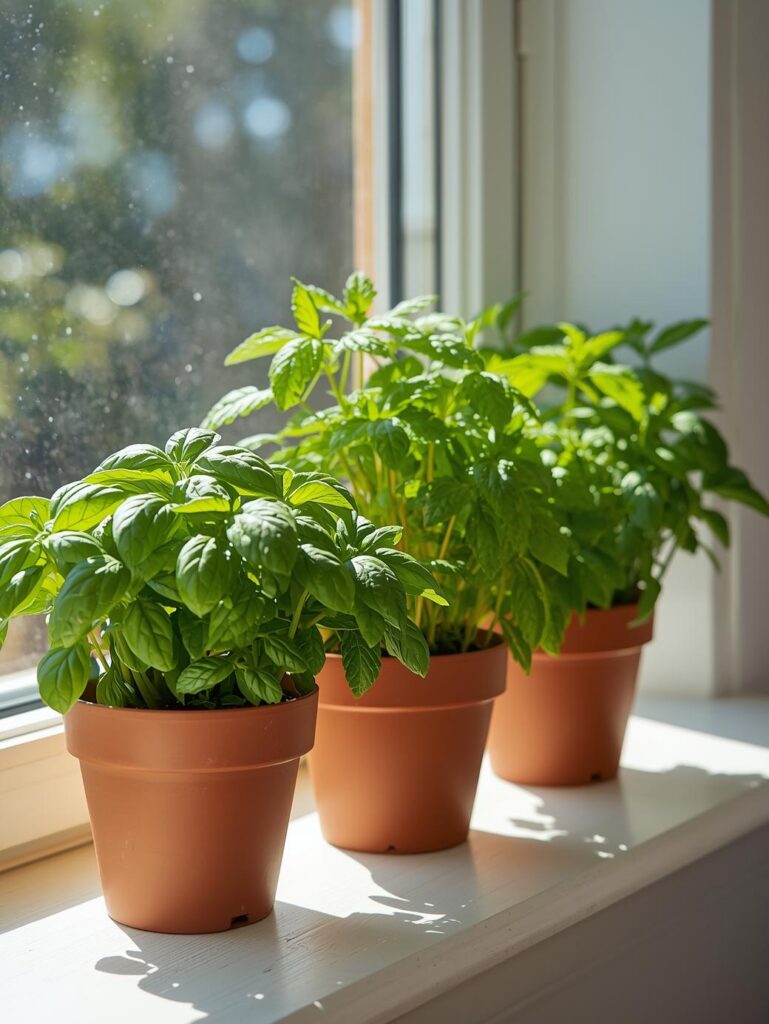
Growing your own herbs gives you the ultimate control over quality and freshness. Plus, it’s easier than most people think.
Easiest Herbs to Start With
Basil, cilantro, parsley, chives, and mint are nearly foolproof for beginners. They grow quickly, don’t require special conditions, and produce heavily.
These herbs also happen to be expensive to buy fresh and lose quality quickly after harvest. Growing your own makes financial sense.
Start small with just 2-3 varieties. Success with a few plants builds confidence better than struggling with too many at once.
Understanding Growing Seasons
Most herbs fall into two categories: cool weather and warm weather crops.
Cool weather herbs like parsley, cilantro, and chives prefer spring and fall temperatures. They bolt (go to seed) when summer heat arrives.
Warm weather herbs like basil, oregano, and thyme love hot summer weather but die at the first frost.
Plan your garden around these preferences. Plant cool weather herbs in early spring and again in late summer. Plant warm weather herbs after the last frost date.
Container vs. Garden Growing
You don’t need a big garden to grow herbs. Most do well in containers on a sunny deck, patio, or even windowsill.
Containers actually offer some advantages. You can move them to optimize sun exposure. You have better control over soil and water. And you can bring them indoors when weather turns bad.
Use containers at least 6 inches deep for most herbs. Bigger is usually better—larger containers hold moisture longer and give roots room to spread.
Soil and Water Requirements
Most herbs prefer well-draining soil that’s not too rich. Heavy, fertilized soil produces lots of leaves but weak flavor.
Think about where these plants grow naturally. Mediterranean herbs like oregano and thyme thrive in poor, rocky soil. Too much water and fertilizer actually reduces their essential oils.
Water when the soil feels dry about an inch down. Most herbs prefer to dry out slightly between waterings.
Proper Harvesting Techniques
Timing Your Harvest
For maximum flavor, harvest herbs in the morning after the dew has dried but before the day gets hot. This is when essential oil levels are highest.
Never harvest more than one-third of the plant at once. This keeps the plant healthy and producing. With bushy herbs like basil, pinch off individual leaves or small sprigs rather than cutting whole branches.
For herbs you plan to dry, harvest just before the plant flowers. Once herbs start flowering, they put energy into reproduction rather than producing flavorful leaves.
Cutting Techniques That Encourage Growth
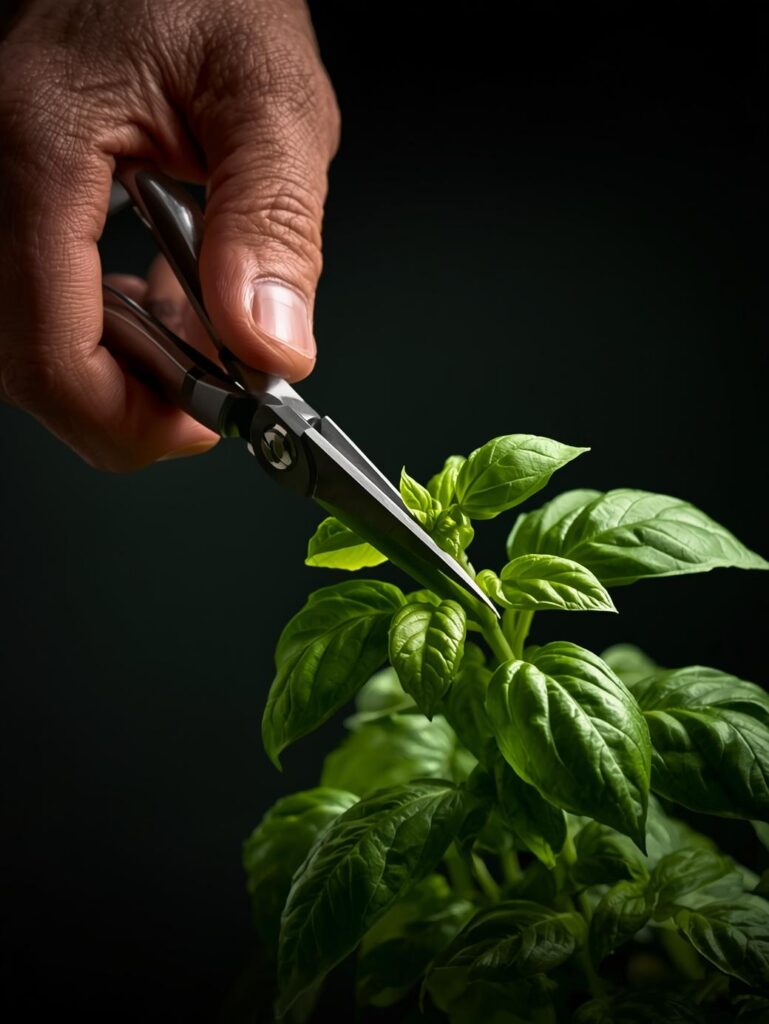
Use sharp scissors or pruning shears to make clean cuts. Ragged cuts from dull tools can damage plants and invite disease.
Cut just above a pair of leaves or growth node. This encourages the plant to branch out and produce more leaves.
For herbs like basil, pinch or cut the growing tips regularly. This prevents flowering and keeps the plant producing tender leaves.
Preparing Fresh Herbs for Storage
Wash freshly harvested herbs gently in cool water. Shake off excess moisture and pat dry with paper towels or use a salad spinner.
Remove any damaged or yellowing leaves. These will spoil faster and can affect the quality of healthy leaves stored with them.
For short-term storage, treat fresh herbs like flowers. Trim the stems and place in water, then cover with a plastic bag and refrigerate.
Storage Methods for Maximum Freshness
Dried Herbs and Whole Spices
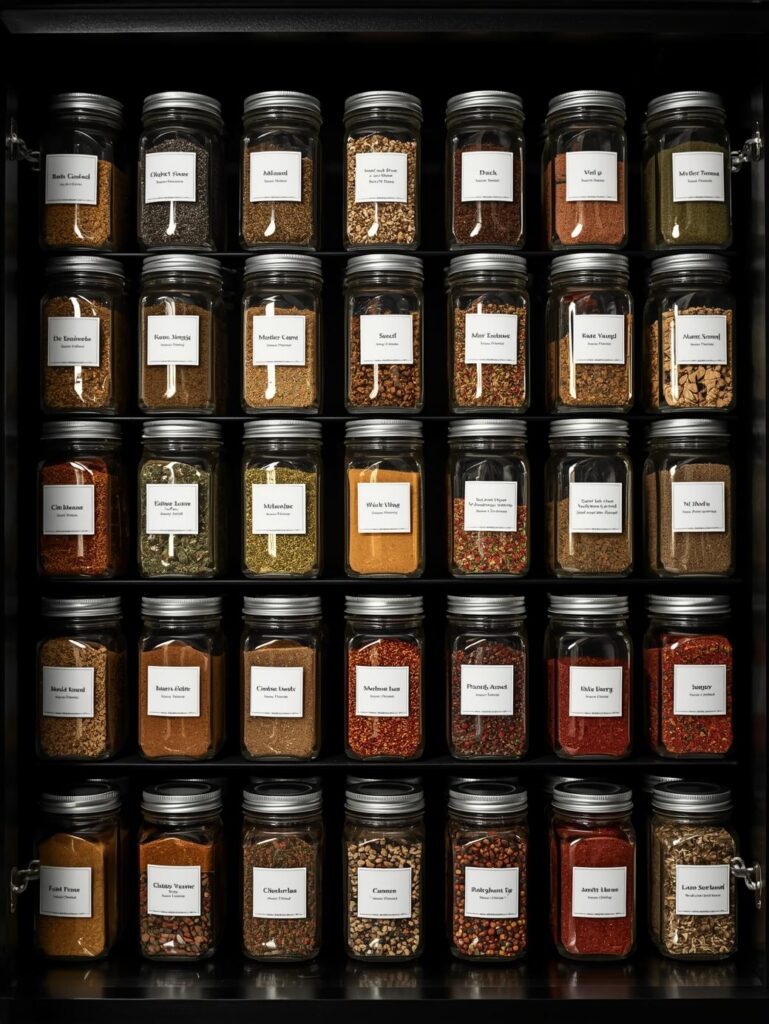
Store in airtight containers away from light, heat, and moisture. Glass jars with tight-fitting lids work well, but keep them in a dark cabinet or pantry.
Avoid storing spices above the stove or near other heat sources. Heat destroys essential oils faster than anything else.
Label everything with the date you bought or processed it. Even the best storage can’t make old spices taste fresh.
Ground Spices Need Extra Care
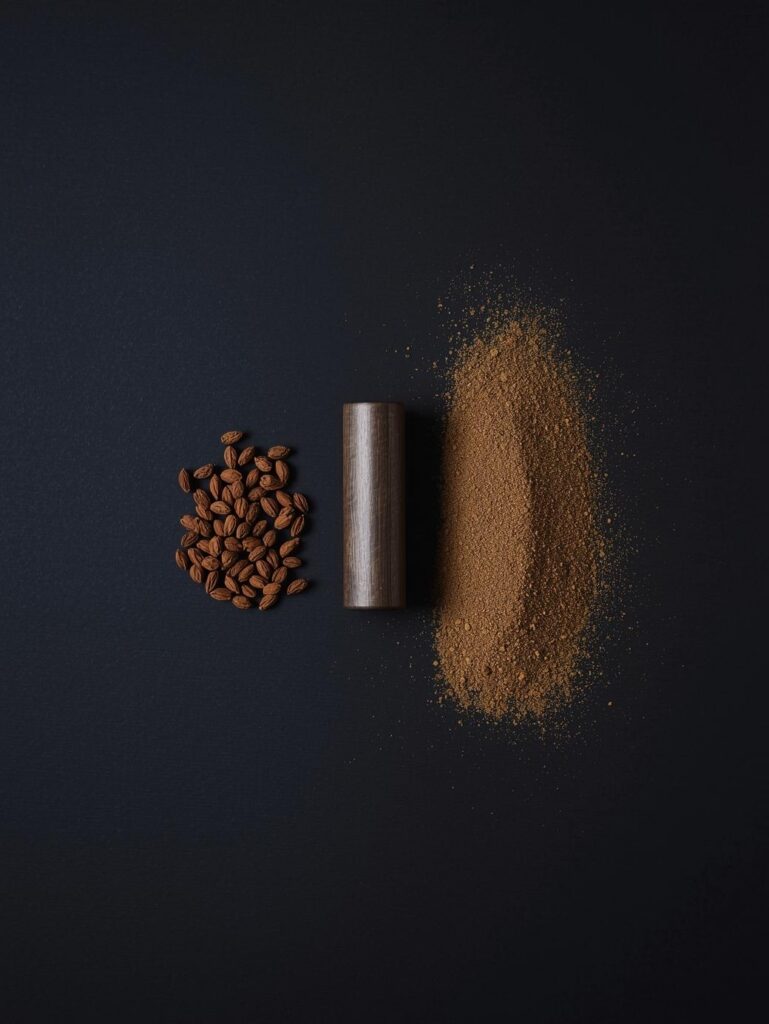
Ground spices have more surface area exposed to air, so they lose potency faster than whole spices. Buy ground spices in smaller quantities and use them more quickly.
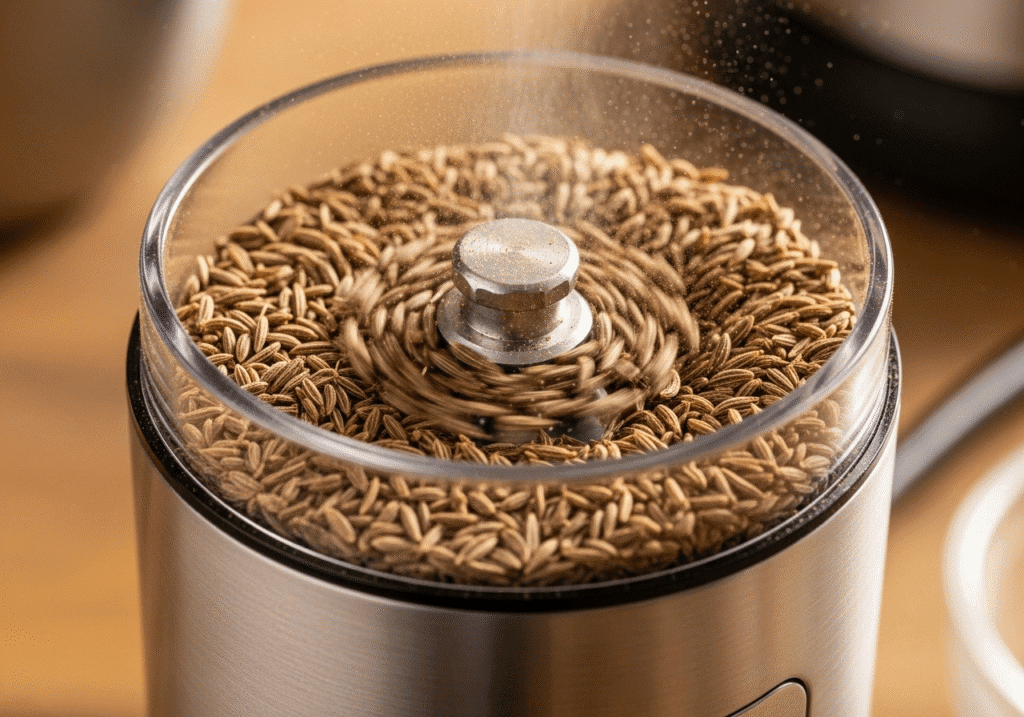
Consider buying whole spices and grinding them yourself. A coffee grinder dedicated to spices works perfectly and takes just seconds.
Freshly ground spices taste dramatically better than pre-ground ones. Once you try freshly ground black pepper or cumin, you’ll never go back to the pre-ground stuff.
Freezing for Long-Term Storage
Some herbs freeze better than others. Basil, cilantro, and parsley can be chopped and frozen in ice cube trays with a little water or oil.
Frozen herbs work great for cooking but lose their texture for fresh applications like garnishing.
You can also freeze whole spices to kill any insects or larvae, then transfer to airtight storage. This is especially useful for bulk purchases from ethnic markets.
The Refrigerator vs. Pantry Decision
Most dried spices and herbs store best at room temperature in a dark, dry place. However, red spices like paprika and chili powder keep their color longer when refrigerated.
Never store spices in the refrigerator unless they’re in completely airtight containers. Refrigerators have high humidity that can damage spices.
Fresh herbs are different. Most need refrigeration, but the specific method depends on the herb.
Understanding Spice Grades and Processing
Commercial vs. Gourmet Grades
Most grocery store spices are commercial grade—processed for shelf life and consistency rather than maximum flavor.
Gourmet or restaurant grade spices cost more but offer significantly better flavor. They’re usually processed in smaller batches with more attention to preserving essential oils.
Some spices also come in different varieties that grocery stores don’t carry. For example, there are dozens of types of cinnamon, but most stores only carry one or two.
Processing Methods That Affect Quality
How spices are dried and processed makes a huge difference in final quality. Traditional air drying preserves more flavor than high-heat industrial drying.
Some processors use chemical treatments to enhance color or prevent spoilage. Others stick to traditional methods without any additives.
Look for processors who provide information about their methods. The best companies are proud of their techniques and happy to share details.
Understanding Origins and Terroir
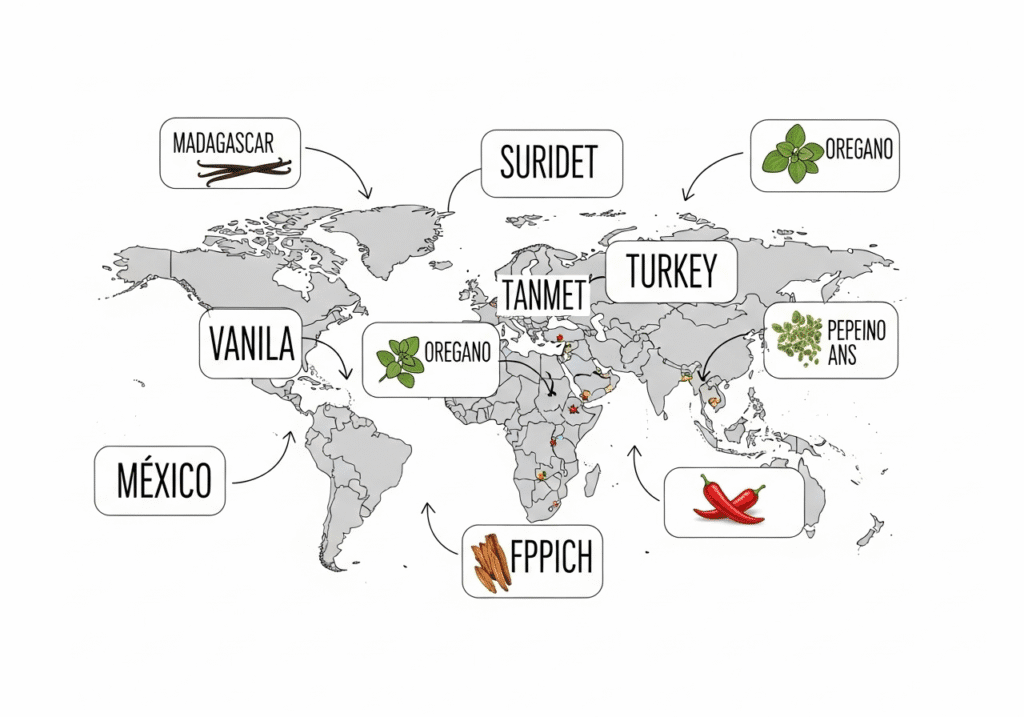
Like wine grapes, spices vary based on where they’re grown and how they’re processed. Vanilla from Madagascar tastes different from Mexican vanilla. Turkish oregano has a different flavor profile than Mexican oregano.
Learning about these differences helps you choose spices that match your cooking style. If you love Mexican food, seek out Mexican oregano and real Mexican vanilla.
Don’t assume expensive means better, though. Sometimes less common varieties cost more but don’t necessarily taste better for your purposes.
Building Your Foundational Collection
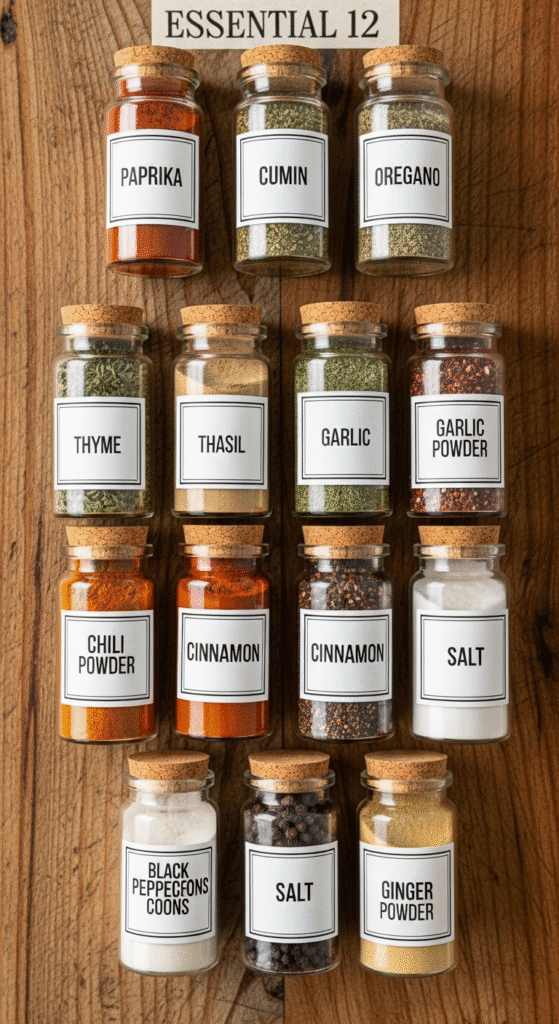
The Essential 12 Spices
Start with these basics that work in multiple cuisines: black pepper, kosher salt, garlic powder, onion powder, paprika, cumin, oregano, basil, thyme, cinnamon, bay leaves, and red pepper flakes.
These 12 spices will handle 80% of your cooking needs. Buy good quality versions of these before expanding into more fascinating spices.
Focus on getting these basics right before branching out. It’s better to have 12 excellent spices than 50 mediocre ones.
Budget-Friendly Building Strategy
Buy whole spices when possible—they last longer and often cost less per ounce than ground versions. Invest in a $20 coffee grinder dedicated to spices.
Shop ethnic markets for spices used in those cuisines. Indian markets have the best prices on cumin, coriander, turmeric, and curry spices.
Buy in quantities you’ll use within a reasonable time. That 2-pound bag of cumin might seem like a bargain, but not if half of it goes stale before you use it.
When to Splurge vs. Save
Splurge on spices you use frequently or that are key to specific dishes. If you make a lot of Mexican food, invest in high-quality chili powders and cumin.
Save money on spices you use occasionally. That bottle of cardamom for one recipe doesn’t need to be the most expensive version available.
Also, consider the cooking method. Spices used in long-cooking dishes like stews don’t need to be as high quality as those used for finishing dishes.
Common Purchasing Mistakes to Avoid
The “Buy in Bulk” Trap
Warehouse stores and online bulk suppliers can seem like great deals. But most home cooks can’t use large quantities before they lose potency.
Do the math on cost per usable ounce, not cost per total ounce. That 5-pound bag of paprika might cost less per pound, but if you throw away 3 pounds because it goes stale, you didn’t save money.
Ignoring Storage Requirements
Buying great spices doesn’t matter if you don’t store them properly. Factor storage containers into your spice budget.
Also, consider your storage space. There’s no point buying 20 different spices if you don’t have a good place to store them properly.
Falling for Marketing Hype
Words like “gourmet,” “organic,” and “artisanal” don’t automatically mean better quality or flavor. Some mass-produced spices taste better than expensive boutique versions.
Trust your nose and taste buds over marketing claims. The best spice is the one that tastes and smells the best, regardless of packaging or price.
Not Asking Questions
Good spice dealers love talking about their products. If a seller can’t or won’t answer questions about origin, processing, or storage recommendations, shop elsewhere.
Ask about turnover rates. How often do they get new shipments? When was this particular batch processed? A good dealer knows these details.
Buying Pre-Made Blends Too Often
Spice blends can be convenient, but they’re often expensive and may contain fillers or lower-quality spices. Plus, you can’t control the ratios of individual spices.
Learn to make your own versions of common blends like Italian seasoning or curry powder. You’ll get better flavor and save money.
However, some traditional blends are worth buying. Complex mixtures like Chinese five-spice or garam masala can be tricky to balance at home.
Storing Your Growing Collection
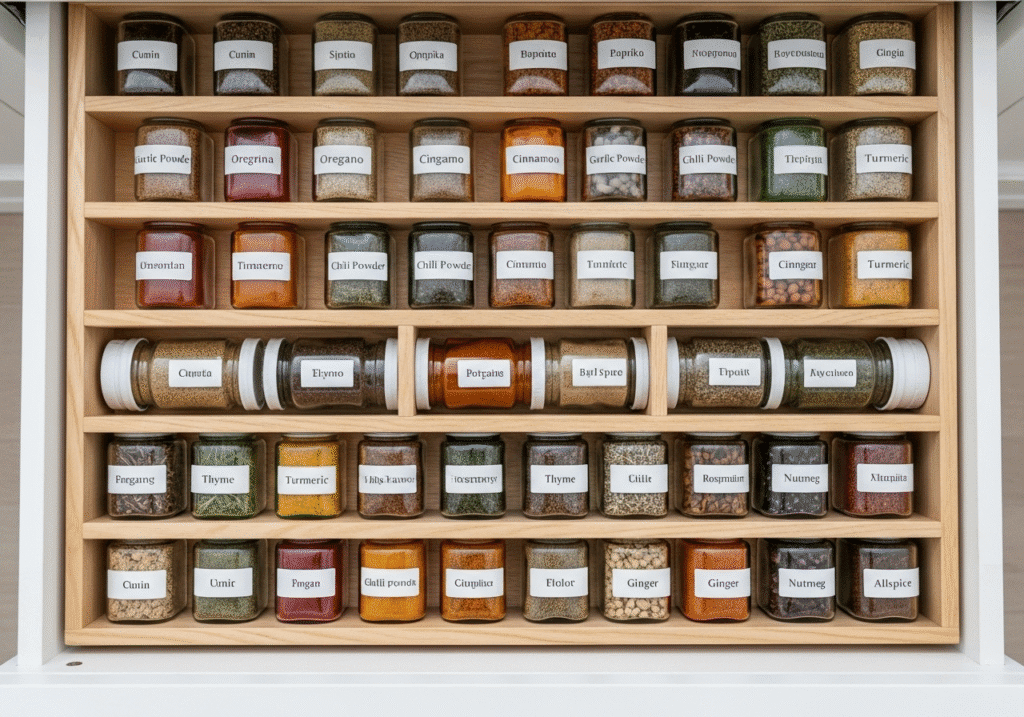
Organization Systems That Work
Group spices by cuisine or frequency of use rather than alphabetically. Keep everyday spices within easy reach and specialty spices in a separate area.
Use uniform containers when possible. This makes storage more efficient and helps you see when supplies are running low.
Label everything clearly with both the spice name and the date purchased or processed. Consider color-coding for different categories.
Inventory Management
Keep a simple list of what you have and when you bought it. This prevents buying duplicates and helps you use things before they lose potency.
Review your collection every few months. Smell test questionable spices and replace anything that’s lost its punch.
Don’t be sentimental about old spices. That 5-year-old oregano isn’t doing anyone any favors sitting in your cabinet.
Making the Most of Your Investment
Quality herbs and spices cost more upfront but deliver better value per use. A small amount of high-quality spice provides more flavor than twice as much mediocre spice.
Start small and build gradually. Focus on mastering a few spices rather than collecting dozens you rarely use.
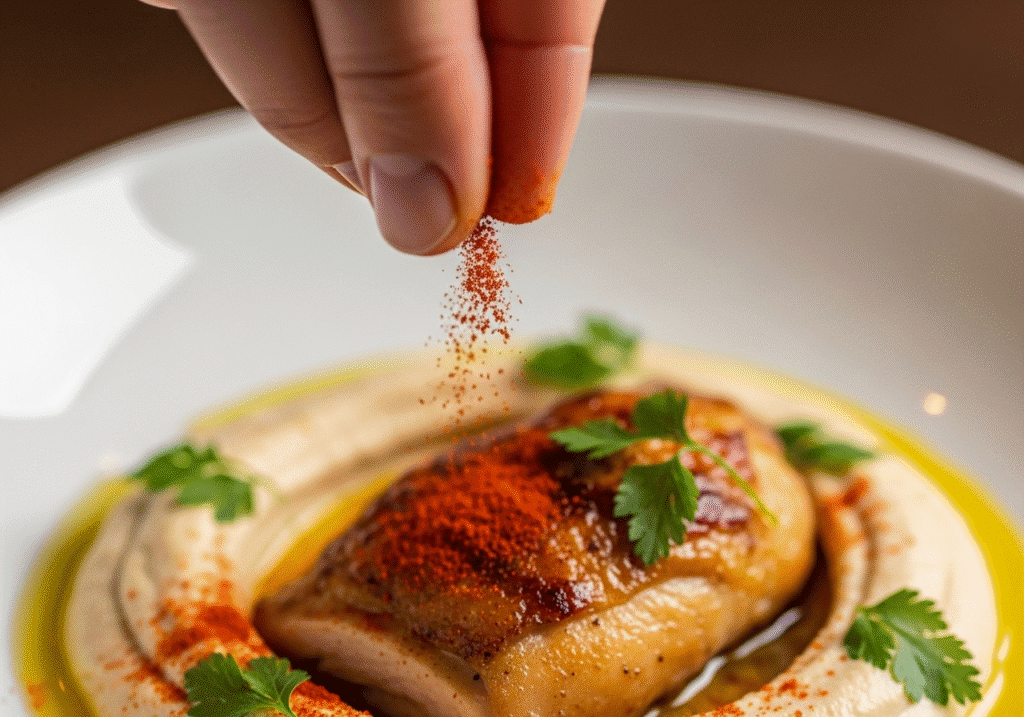
Most importantly, use what you buy. The best spice collection in the world won’t improve your cooking if everything sits unused in the cabinet.
Good spices transform ordinary ingredients into memorable meals. Once you experience the difference quality makes, you’ll never want to go back to grocery store dust again.
What’s the first spice you want to upgrade in your collection?
1 thought on “Sourcing, Collecting Quality Herbs and Spices”