The “No-Fail” Juicy Chicken Breast
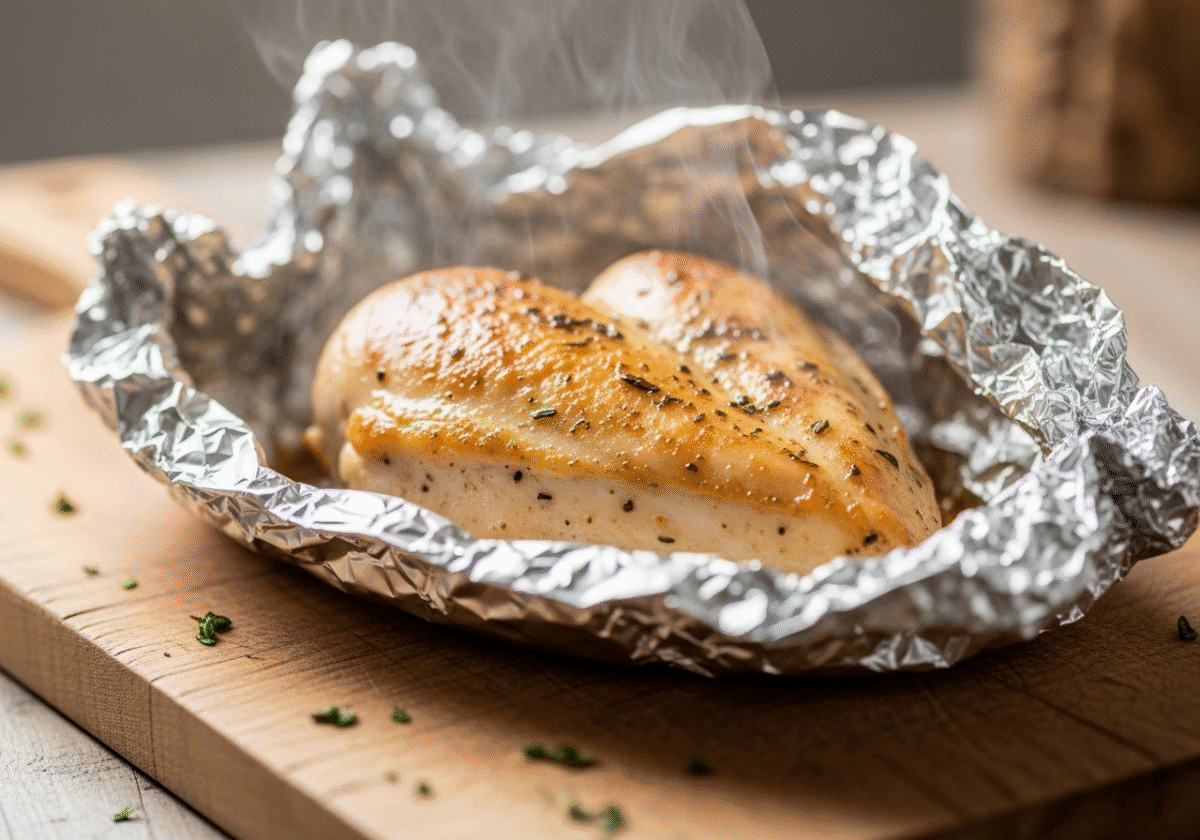
The “No-Fail” Juicy Chicken Breast (With Your Instant-Read Thermometer)
Dry chicken breast is probably the most common cooking mistake out there. You’ve done it, I’ve done it, everyone’s done it at least once.
But here’s the thing—you don’t need fancy techniques or expensive ingredients. You just need to know the right temperature. And that’s where your best instant-read thermometer comes in.
Why Most Chicken Breasts Turn Out Dry
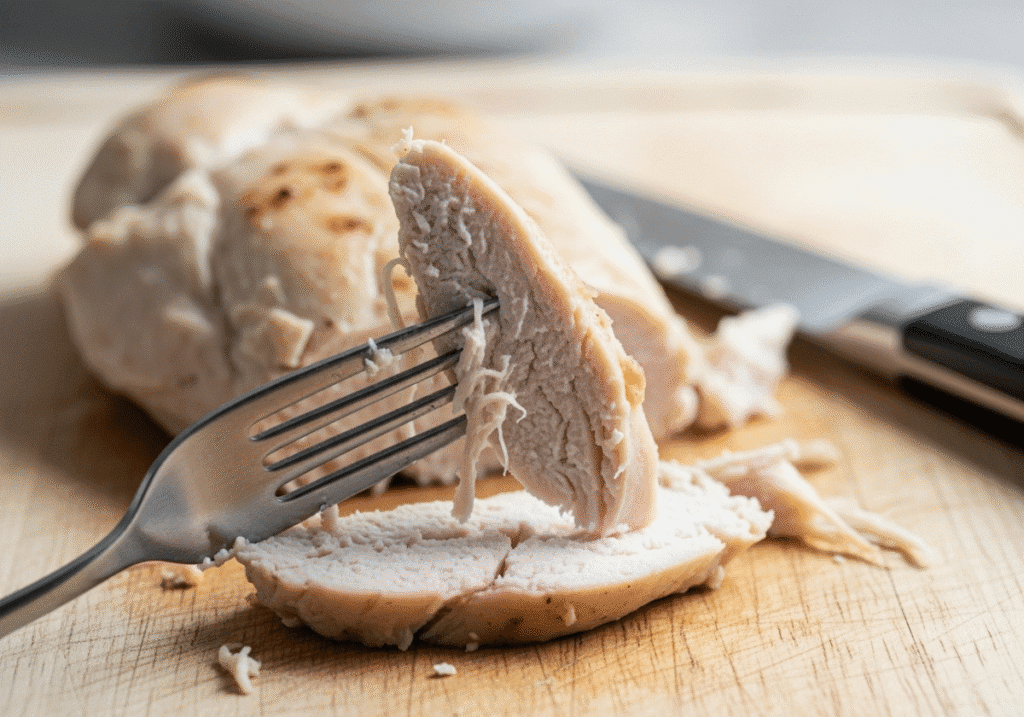
Most people overcook chicken because they’re scared of undercooking it. Makes sense, right? Nobody wants to risk food poisoning.
So we cook it longer than needed. Then we end up with rubbery, tasteless chicken that needs tons of sauce just to be edible.
The fix is simple. Stop guessing and start measuring.
The Magic Number: 165°F
According to the USDA, chicken needs to reach 165°F to be safe. Not 180°F. Not “when it looks done.” Exactly 165°F.
Here’s what happens when you use a thermometer:
- You pull the chicken at exactly the right moment
- It stays juicy because you haven’t cooked all the moisture out
- You don’t waste time cutting it open to check
- Dinner actually tastes good
Plus, the chicken will keep cooking a bit after you remove it from heat. So pulling it at 160°F and letting it rest works perfectly.
The Simple Method That Works Every Time
This method takes about 20 minutes total. No brining, no pounding, no complicated steps.
You’ll get tender, juicy chicken breasts that actually have flavor. And you’ll know they’re safe to eat because you checked the temp.
What You’ll Need:
- Boneless, skinless chicken breasts (about 6-8 oz each)
- Olive oil or butter
- Salt and pepper
- Your instant-read thermometer
- A good skillet
The Process:
First, take your chicken out of the fridge 15 minutes before cooking. Cold chicken cooks unevenly.
Pat the breasts completely dry with paper towels. This step matters more than you think—wet chicken steams instead of browning.
Now season both sides generously with salt and pepper. Don’t be shy here.
Heat a tablespoon of oil in your skillet over medium-high heat. Wait until it shimmers but doesn’t smoke.
Add the chicken and don’t touch it for 6-7 minutes. Seriously, leave it alone. You want a golden-brown crust.
Flip the chicken once. Then immediately turn the heat down to medium.
Here’s where your thermometer comes in. After about 5-6 minutes, start checking the thickest part of the breast.
When it hits 160°F, take it off the heat. Not 165°F—remember, it’ll keep cooking.
Let it rest for 5 minutes before cutting. This lets the juices redistribute instead of running all over your cutting board.
Common Mistakes to Avoid
Cooking straight from the fridge: Cold centers mean overcooked outsides by the time the middle is done.
Using high heat the whole time: You’ll burn the outside before the inside cooks through.
Skipping the rest time: Cut too soon and all those juices end up on your plate instead of in the meat.
Not using a thermometer: This is the biggest one. Stop guessing.
How to Know Your Thermometer is Accurate
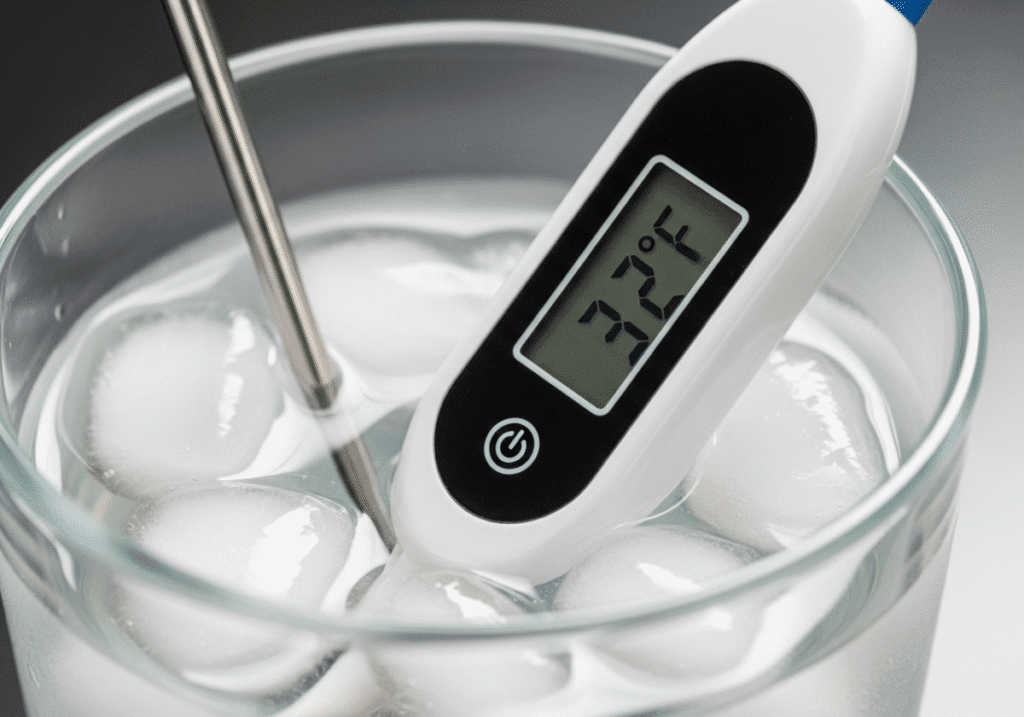
Stick it in ice water. It should read 32°F. If it doesn’t, your thermometer might need calibrating or replacing.
Test it in boiling water too—should read 212°F at sea level. This gives you confidence your readings are correct.
The “No-Fail” Juicy Chicken Breast
Equipment
- Large skillet or frying pan
- Instant-read thermometer
- Tongs
- Paper towels
Ingredients
4 boneless, skinless chicken breasts (6-8 oz each)
1 tablespoon olive oil or butter
1 teaspoon salt
½ teaspoon black pepper
Optional: garlic powder, paprika, or Italian seasoning
Instructions
Remove chicken from refrigerator and let sit at room temperature for 15 minutes.
Pat chicken breasts completely dry with paper towels on both sides.
Season both sides of each breast generously with salt and pepper (and any optional seasonings).
Heat olive oil in a large skillet over medium-high heat until shimmering.
Add chicken breasts to the pan. Don’t move them or touch them for 6-7 minutes until golden brown.
Flip chicken breasts once and immediately reduce heat to medium.
Cook for another 5-6 minutes, then insert instant-read thermometer into the thickest part of the breast.
When thermometer reads 160°F, remove chicken from heat and transfer to a plate.
Tent loosely with foil and let rest for 5 minutes before slicing.
Check final temperature reaches 165°F after resting, then serve.
Notes
- Chicken breast size matters. Thicker breasts need more time, thinner ones need less. Your thermometer will tell you when it’s done regardless of size.
- Don’t use super thick chicken breasts (over 10 oz). They’re hard to cook evenly. If yours are thick, pound them to even thickness or butterfly them.
- The resting step isn’t optional. Those 5 minutes make the difference between juicy and dry.
- Save the pan drippings and add a splash of chicken broth or white wine for a quick pan sauce.
- Nutrition (per serving):
- Calories: 185
- Protein: 35g
- Fat: 4g
- Carbohydrates: 0g
- Fiber: 0g
- Sodium: 650mg
Why This Method Actually Works
When you cook chicken to exactly 165°F and no higher, you’re hitting the sweet spot. The proteins have set enough to be safe, but they haven’t squeezed out all their moisture yet.
Think of it like this: overcooking chicken is like wringing out a wet towel. The longer you cook it, the more moisture you squeeze out.
Your instant-read thermometer stops you from wringing that towel too hard.
What to Serve With It
This chicken works with basically anything. Toss it on a salad, slice it for sandwiches, or serve it whole with roasted vegetables.
It also meal preps really well. Make a batch on Sunday and you’ve got protein sorted for the week.
Just store it in an airtight container in the fridge. It’ll stay good for 3-4 days.
The Bottom Line
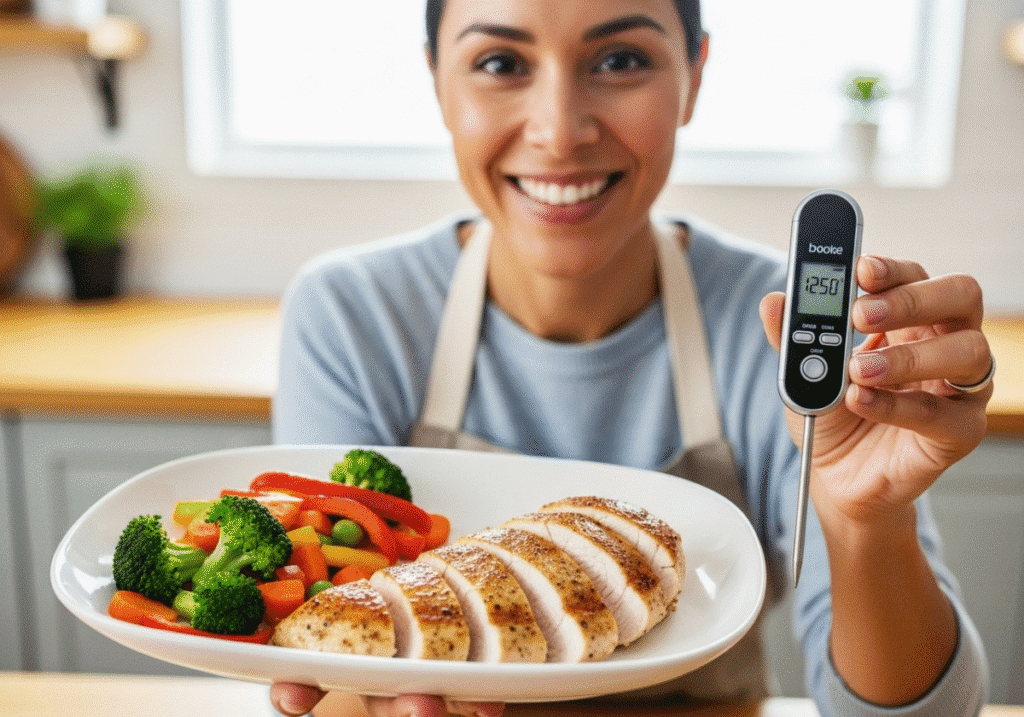
Juicy chicken breast isn’t hard. You just need to stop guessing and start measuring.
Get yourself a decent instant-read thermometer (they’re like $15-30). Use it every time. Pull your chicken at 160°F and let it rest.
That’s literally it. No fancy techniques needed.
Once you nail this basic method, you can start adding different seasonings, marinades, or cooking methods. But the temperature part? That stays the same every single time.