
Over Sink Cutting Board with Colander
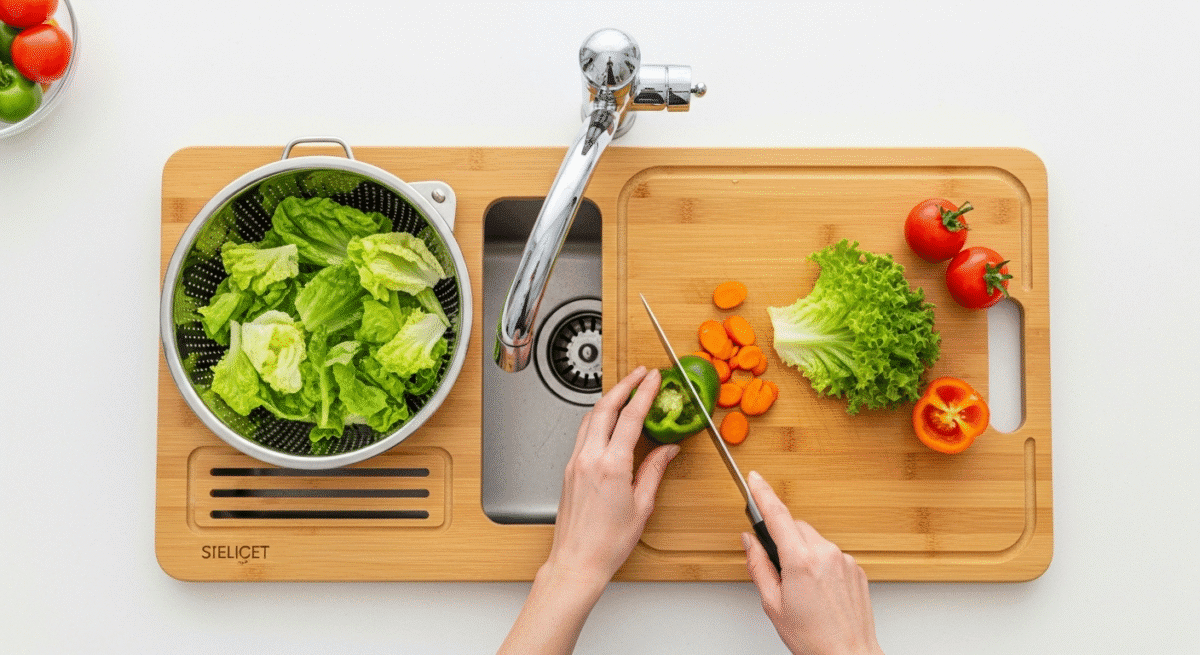
Over Sink Cutting Board with Colander: The Ultimate Space-Saving Solution
Your kitchen counter is always crowded, and you’re constantly shuffling things around just to prep dinner. Sound familiar? An over sink cutting board with colander solves this exact problem by giving you instant workspace right above your sink.
Why This Kitchen Tool Changes Everything
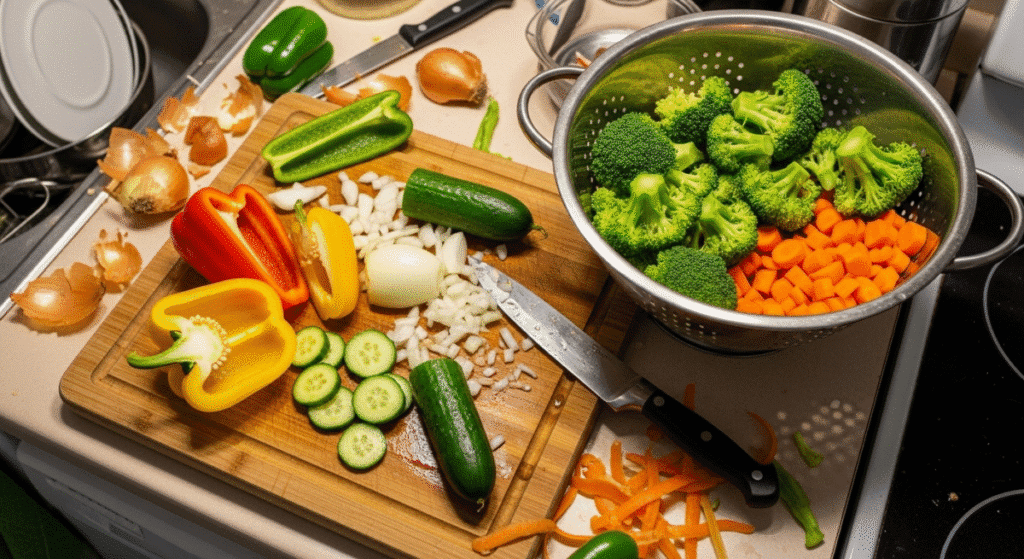
Most people don’t realize how much counter space they waste during meal prep. You’ve got your cutting board here, colander there, and scraps everywhere in between.
But here’s what happens when you get an over sink cutting board with colander. You suddenly have extra workspace without sacrificing any counter area. Plus, scraps drop straight into the sink instead of making a mess.
And honestly, the colander feature is genius. Wash your lettuce, drain it, then chop it all in the same spot. No moving things around, no extra dishes, no wasted motion.
What Makes a Great Over Sink Cutting Board
The Right Fit for Your Sink
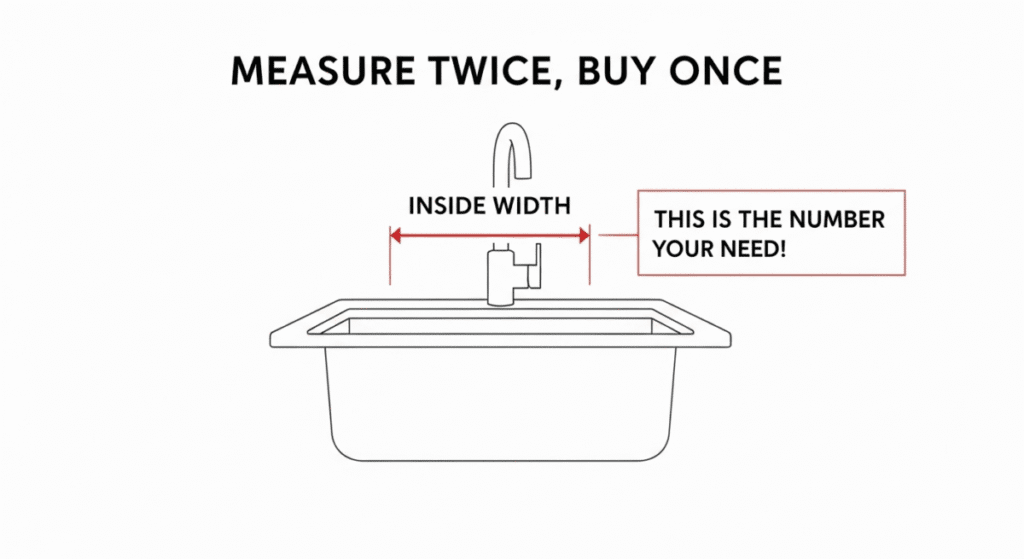
Measure your sink before buying anything. Most boards are adjustable, but you need to know your sink’s width from inside edge to inside edge.
Standard sizes fit sinks between 14-20 inches wide. But double-check because a board that’s too small slides around, and one that’s too large won’t fit at all.
Also consider your faucet height. Some boards sit low enough that tall faucets interfere. Make sure there’s clearance so you can still use your tap comfortably.
Sturdy Construction That Won’t Wobble
Cheap boards flex and bounce when you’re chopping. That’s annoying and potentially dangerous with a sharp knife.
Look for thick boards with solid support arms. The arms should grip your sink firmly without scratching. Rubber or silicone feet add stability and protect your sink finish.
Integrated Colander Design
The best models have a colander section built right into the board. Not a separate insert you lose, but a permanent part of the design.
Some have removable colander baskets which work well too. Just make sure the holes are small enough that vegetables don’t fall through but large enough for proper drainage.
Quality Materials That Last
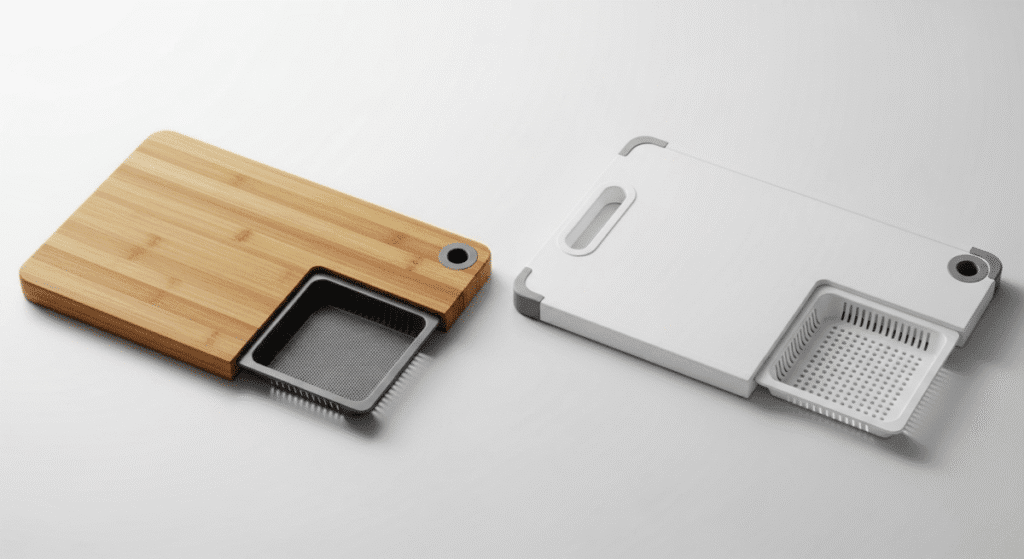
Bamboo and thick plastic are both good choices. Bamboo looks nicer and is naturally antimicrobial. Plastic is lighter and often dishwasher-safe.
Avoid thin plastic that stains easily or bamboo that isn’t properly sealed. Water exposure will warp cheap materials pretty quickly.
Key Features Worth Having
Adjustable Width Mechanism
The ability to adjust the board’s width means it fits different sink sizes. This matters if you move or want to use it in multiple locations.
Spring-loaded arms work great because they hold tension automatically. Manual adjustment systems are fine too, just make sure they lock securely.
Multiple Drainage Options
Beyond the colander, look for juice grooves around the cutting surface. These catch liquid from juicy tomatoes or defrosting meat.
Some boards also have small drainage holes that let water run directly into the sink. That’s perfect for rinsing vegetables without moving them to the colander section.
Non-Slip Grip Surfaces
The bottom of the arms should have rubber or silicone grips. Without these, the board slides around while you’re working.
The cutting surface should also resist slipping. Textured areas or rubber corners keep ingredients from sliding off the edge.
Easy Storage Design
After using it, you need somewhere to store this thing. The best designs collapse or fold for compact storage.
Some hang on hooks, others stand upright in narrow spaces. Think about your storage situation before buying a bulky board that won’t fit anywhere.
How to Use Your Board Effectively
Setting It Up Properly
Place the board so the arms rest firmly on both sides of your sink. Adjust the width until it feels stable with no wobbling.
Test it before you start cutting. Press down hard in the center. If it flexes too much or feels unstable, readjust the position or check that it’s the right size.
Maximizing the Workspace
Use the solid cutting area for prep work. Reserve the colander section for washing and draining.
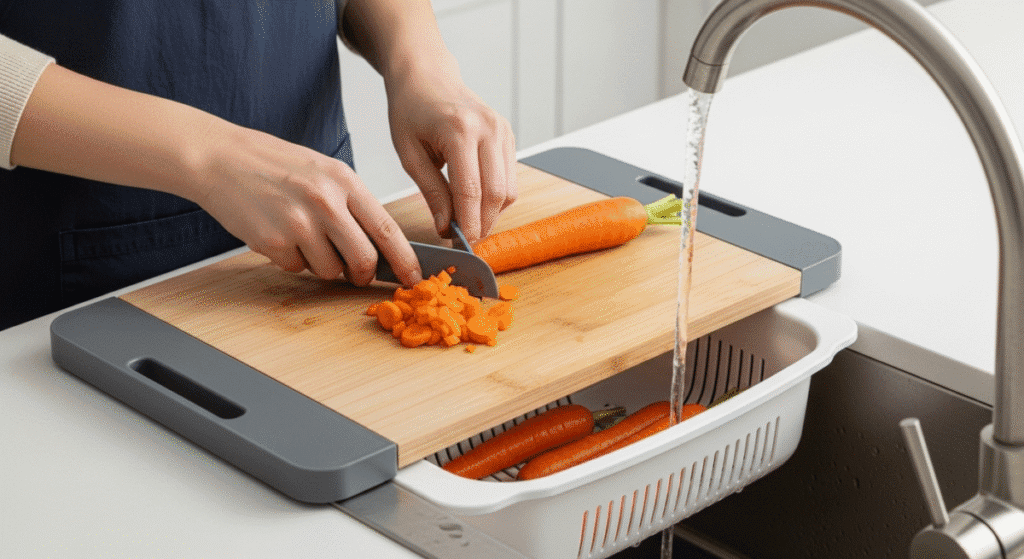
This setup lets you work in a logical flow. Wash vegetables in the colander, then slide them over to the cutting area. Scraps go straight down into the sink below.
Cleaning During and After Use
One major advantage is easy cleanup. Scraps fall into the sink, so you just rinse them down the disposal or gather them for compost.
When you’re done cooking, wash the board with hot soapy water. Most are dishwasher-safe, but hand-washing extends their life, especially for bamboo versions.
Common Uses Beyond Basic Cutting
Defrosting Meat Safely
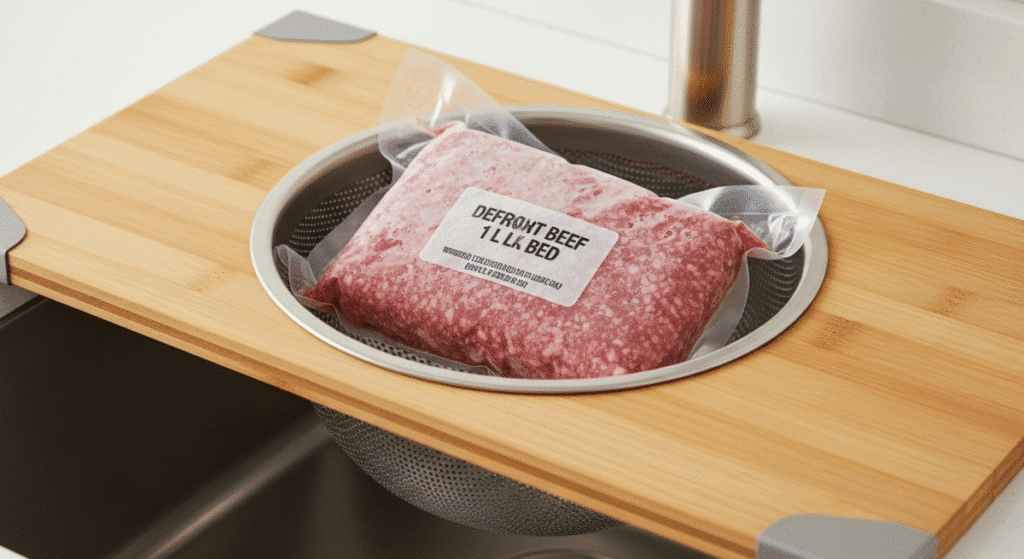
Place frozen meat in the colander section. As it thaws, liquid drains into the sink instead of pooling on your counter.
This keeps your workspace cleaner and more sanitary. Plus, the board elevates the meat so it thaws more evenly from all sides.
Washing Fruits and Vegetables
Fill the colander section with produce and rinse under the faucet. Water drains immediately, and you can prep right there.
For leafy greens, wash thoroughly in the colander, let them drain, then chop on the cutting surface. Everything happens in one convenient location.
Serving and Display
Some people use these boards for serving too. The bamboo ones especially look nice for presenting cheese, crackers, or sliced vegetables.
The colander section can hold dips or small serving bowls. It’s not the primary purpose, but it works in a pinch.
Creating Extra Counter Space
Even when you’re not cutting, the board provides a clean, flat surface. Use it to hold mixing bowls, stack plates, or set hot pots.
This temporary workspace is especially valuable in small kitchens where every inch matters. Just slide the board over your sink whenever you need more room.
Maintenance and Care Tips
Preventing Warping and Damage
Never leave the board sitting over the sink with water pooling on it. Constant moisture exposure damages even quality materials.
After washing, dry it completely and store it upright or flat in a dry location. This simple habit dramatically extends the board’s lifespan.
Sanitizing Properly
For bamboo boards, use white vinegar or lemon juice as a natural sanitizer. Spray it on, let it sit for a few minutes, then wipe clean.
Plastic boards can handle stronger cleaners or even go through the dishwasher. But harsh chemicals can wear down the surface over time.
Treating Bamboo Boards
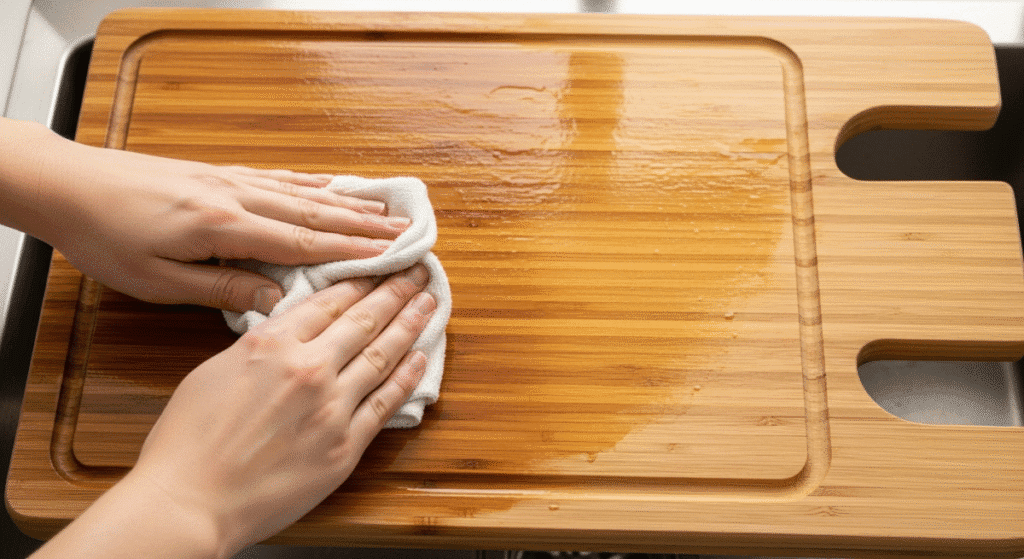
Apply food-safe mineral oil every few months. This keeps bamboo from drying out and cracking.
Just rub a thin layer over the entire surface and let it absorb overnight. Wipe off any excess in the morning, and your board looks brand new.
Checking for Wear
Inspect the support arms regularly for loose parts or worn grips. If the rubber feet wear down, the board won’t grip properly.
Also check the cutting surface for deep knife grooves. Once grooves get too deep, bacteria can hide in them, and it’s time for a replacement.
Over Sink Cutting Board with Colander: Pros and Cons
The Benefits
Doubles Your Workspace – Instantly gain usable counter space without any renovation or rearranging. Perfect for tiny kitchens.
All-in-One Convenience – Wash, drain, and chop in one location. No juggling multiple tools or moving wet vegetables across your kitchen.
Mess-Free Prep – Scraps drop straight into the sink. Your counter stays clean, and cleanup takes seconds instead of minutes.
Adjustable and Versatile – Fits different sink sizes and works for multiple tasks beyond just cutting vegetables.
Space-Saving Storage – Most models store compactly when not in use. No bulky equipment taking up permanent counter space.
The Drawbacks
Learning Curve – Takes a few uses to figure out the best workflow. You might feel awkward at first compared to traditional cutting boards.
Size Limitations – The cutting surface is usually smaller than standard boards. Large tasks might require working in batches.
Stability Concerns – Cheaper models can wobble during heavy cutting. Quality matters more with these than regular cutting boards.
Sink Access Issues – While using the board, you can’t access your sink easily for rinsing hands or getting water.
Not Ideal for Heavy Chopping – Suspended boards don’t handle aggressive chopping as well as boards sitting directly on counters.
Frequently Asked Questions
Will this damage my sink finish?
Not if you choose a board with proper rubber or silicone feet. These protective grips prevent scratching and keep your sink looking new.
However, cheaper boards with hard plastic feet can scratch over time. Always check that the contact points have soft, protective material.
Can I use it with undermount sinks?
Yes, but you need the right design. Look for boards specifically labeled for undermount sinks, with arms that grip the counter edge instead of the sink rim.
Standard models designed for drop-in sinks won’t work with undermount installations. Measure carefully and check compatibility before buying.
How much weight can these boards hold?
Most quality boards handle 15-20 pounds safely. That’s more than enough for typical food prep tasks.
But don’t use it as general storage for heavy pots or appliances. It’s designed for food prep, not as a permanent shelf.
Is bamboo or plastic better?
Bamboo looks nicer and is naturally antimicrobial. It’s also more eco-friendly and doesn’t absorb odors as easily.
Plastic is lighter, cheaper, and usually dishwasher-safe. Both work well, so it comes down to personal preference and maintenance commitment.
Can I cut meat on these boards?
Yes, but use the solid cutting area, not the colander section. And sanitize thoroughly after cutting raw meat.
Consider getting a separate board specifically for meat if you’re concerned about cross-contamination. Or use the board for vegetables only.
Do these boards fit all sink types?
Not all of them. Measure your sink width and check the board’s size range. Also consider sink depth and faucet clearance.
Farmhouse sinks, unusually shaped sinks, or very small bar sinks might not work with standard adjustable boards.
How do I clean the colander section?
Most colander sections have drainage holes you can rinse directly. Use a brush to clean between the holes if food gets stuck.
For bamboo boards, avoid soaking the colander area. Instead, spray it with water and wipe clean. Plastic versions can often go in the dishwasher.
Will this work with a garbage disposal?
Absolutely, and it actually works great with disposals. Scraps fall directly into the sink, making it easy to rinse them into the disposal.
Just be careful not to accidentally drop utensils or small tools through the colander holes while the disposal is running.
Making the Right Choice
Think about your sink size and kitchen layout first. An over sink cutting board with colander only works if it actually fits your setup properly.
Consider how you’ll use it most. If you prep lots of vegetables daily, the colander feature saves serious time. But if you mostly cut meat, a standard board might work better.
Read reviews from people with similar sinks and cooking styles. They’ll tell you about real-world stability issues or size problems before you buy.
Final Thoughts

Small kitchens need smart solutions, and this tool delivers exactly that. You get extra workspace, integrated draining, and easier cleanup all at once.
Now you know what features matter and how to use an over sink cutting board with colander effectively. So find one that fits your sink and cooking style.
Ready to stop fighting for counter space every time you cook?